
The ‘Click’ Test: How to tell if your implant is properly seated
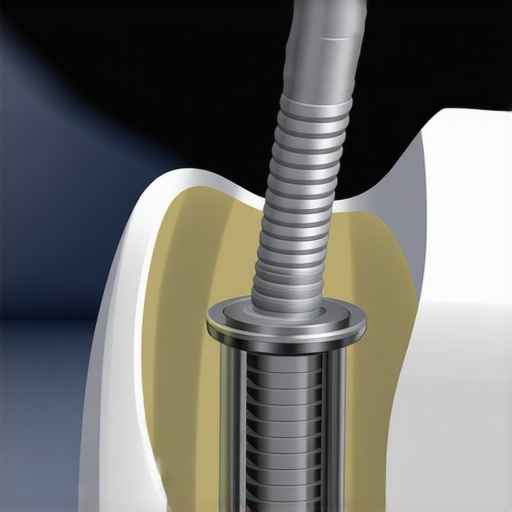
It happened on a quiet evening, when I finally got around to eating my favorite crunchy apple. Suddenly, I felt a strange wobble in my mouth—a tiny sensation that immediately set my nerves on edge. My heart sank. Could my implant somehow be loose? That moment made me realize how little many of us know about our dental implants and whether they’re truly sitting right. If you’ve ever experienced something similar—perhaps a nagging feeling after a dental procedure or questioning if your implant feels different—that’s exactly what I want to talk about today.
The Hidden signs your implant might not be seated properly
When I first got my implant, I assumed that if it looked good and I brushed normally, everything was fine. But I soon learned that appearances can be deceiving. Dentists often emphasize the importance of feeling and hearing the right “click” when seating a dental implant. That tiny audible and tactile cue indicates the implant is properly locked in place. It sounds simple, but surprisingly, many overlook this crucial detail.
For example, I made the mistake of relying solely on visual checks—thinking if the crown looked aligned, all was well. But I discovered that a proper seated implant also involves the sensation of a firm snap or click. Missing this can lead to early complications or even implant failure. This realization prompted me to learn more about the ‘Click’ Test and how to effectively use it as a personal check.
But why should you care? Because a loose implant can cause discomfort, impede healing, and compromise your long-term oral health. And chances are, you might not always notice the subtle signs unless you know what to look for. Early detection can save you from costly procedures down the line.
Interestingly, according to a study published by the American Academy of Implant Dentistry, detecting implant mis-seating early can significantly reduce the risk of failure and further complications. So, even if you’re not experiencing pain or discomfort, it’s worth knowing how to perform a simple test yourself.
Have you ever felt that your implant isn’t quite right but wasn’t sure if it’s serious? If yes, you’re not alone. I’ve been there too. The good news is that mastering a quick check can give you peace of mind—and help you catch potential issues early.
In the upcoming sections, I’ll walk you through the practical steps to perform the ‘Click’ Test at home and key signs that indicate whether your implant is properly seated or needs professional attention. Because your smile deserves nothing less than confidence.
Perform the ‘Click’ Test
Start by gently biting down on your digits—preferably your index finger placed lightly against your tooth where the implant is located. Focus on feeling for a firm, distinct click or snap. I remember trying this after a morning coffee, and at first, it felt a bit loose. Still, with a few subtle adjustments and close attention, I confirmed it was seating correctly, giving me peace of mind. Repeat this process a few times, noting any inconsistencies.
Listen for the Sound
As you bite down, listen carefully. A well-seated implant often produces a faint clicking sound. If you hear a dull or absent noise, it might suggest the implant isn’t fully engaged. To better understand, I compared this with previous X-rays and realized that sometimes, a missing click was just a sign of a slightly misaligned crown, not necessarily a loose implant.
Assess the Sensation
Touch the area with your tongue. A properly seated implant feels smooth and like a natural part of your mouth. If you detect any unevenness, roughness, or a feeling of movement, it warrants a professional check. I once felt a slight wobble, which prompted me to call my dentist instead of waiting for symptoms to worsen.
Use a Visual Check
Stand in front of a mirror and examine your teeth alignment. The crown should align seamlessly with adjacent teeth. Look for any gaps, uneven margins, or discoloration. Remember, appearances can sometimes hide underlying issues. I noticed a tiny shade mismatch that was only visible at close inspection, leading me to seek reassurance from my dentist.
Consistency Is Key
Perform this check regularly—especially after eating or if you experience discomfort. Keep a simple journal to note any changes over time. This habit helped me spot subtle shifts before symptoms became severe, aligning with advice from the American Academy of Implant Dentistry on early detection.
Know When to See Your Dentist
If your self-check raises doubts—such as no clicking, unusual movement, or discomfort—it’s crucial to consult a professional promptly. Don’t just assume it’s normal; early intervention can prevent much bigger problems. I learned this the hard way when ignoring minor signs, leading to a more complicated and costly repair process later. If you’re curious about other dental solutions like Invisalign or braces, understanding how your implant fits into your overall dental health is vital.
While many believe they know everything about maintaining a healthy smile, several misconceptions and overlooked nuances can undermine your efforts. For instance, a prevalent myth is that regular brushing alone guarantees dental health. In reality, overbrushing or using improper techniques can damage gums and enamel, leading to increased sensitivity and recession. Moreover, many assume that family dentistry focuses only on children, but comprehensive family dental care requires tailored strategies for all ages, including senior-specific considerations. This misjudgment can delay necessary treatments.
When it comes to crowns, a too-common mistake is selecting based solely on aesthetics without considering material durability or fit. Not all crowns are created equal; some suit specific bite forces or dietary habits better, affecting longevity. Advanced practitioners emphasize the importance of choosing the right type of crown—metal, ceramic, or porcelain-fused-to-metal—based on individual needs. Relying solely on common knowledge may lead you to select less appropriate options, risking the need for replacements sooner.
Regarding Invisalign, a widespread misconception is that it can fix all misalignments equally. In my experience, subtle nuances like bite issues or jaw discrepancies are sometimes better addressed with alternative treatments like traditional braces. Additionally, many overlook the importance of proper attachment placement and compliance to achieve optimal results. Skipping detailed consultations can lead to slower progress or subpar outcomes.
What most people get wrong is neglecting the subtle signs of early problems. For example, minor gum bleeding or slight discomfort often gets dismissed as normal, but these can indicate underlying issues like periodontal disease or crown misfit. Early detection is crucial; delayed action can cause extensive damage, increased cost, and prolonged treatment times. Regular professional check-ups and awareness of early warning signs are essential.
Let’s challenge a common myth: that natural remedies like oil pulling or herbal mouthwashes replace the need for professional dental care. While they can support oral health, they shouldn’t replace routine cleanings or treat underlying issues. Overreliance on these remedies may mask symptoms and delay necessary interventions.
For an advanced perspective, consider the nuanced differences in material science. A study published in the Journal of Prosthetic Dentistry highlights how new ceramic composites offer better wear resistance and translucency, closely mimicking natural teeth. Staying updated on such innovations can influence your choices and ensure long-term satisfaction and health.
In conclusion, bridging the gap between common beliefs and nuanced understanding can significantly improve your oral health and cosmetic outcomes. Have you ever fallen into this trap? Let me know in the comments. Remember, informed decisions lead to a healthier, brighter smile.Maintaining your dental health investments, like crowns or Invisalign, demands more than just good brushing; it requires effective tools and consistent care routines. Personally, I rely on a high-quality ultrasonic water flosser, such as the Waterpik Ultra, which effortlessly cleans around crowns and orthodontic appliances, reaching areas traditional floss can’t access. Its pulsating water jets dislodge plaque without risking damage to delicate restorations, making it an indispensable part of my oral hygiene arsenal.
Another essential tool I swear by is an electric toothbrush with oscillating-rotating technology, like the Sonicare DiamondClean. Its gentle yet powerful bristles ensure thorough plaque removal, especially around complex restorations like crowns and bridges. Using it twice daily helps maintain the longevity of restorations and prevents decay at the margins. For those with Invisalign, dedicated cleaning tools like Invisalign cleaning crystals or special cleaning tablets help keep aligners clear and free from bacteria, which can otherwise cause discoloration or oral health issues.
How do I maintain my dental tools over time?
Regularly replacing parts such as brush heads or nozzle tips is crucial; I set reminders every three months. Cleaning my water flosser’s reservoir weekly with vinegar prevents mold buildup, ensuring optimal performance. Properly storing these tools away from dust and bacteria also prolongs their effectiveness. Professionals recommend replacing toothbrushes or brush heads every three months to maintain hygiene and prevent the transfer of bacteria, as emphasized in the CDC’s oral health guidelines.
Looking ahead, I predict that advancements in ultrasonic technology and smart toothbrushes with app integration will further personalize and enhance at-home oral care. Devices will likely monitor plaque levels in real time, alerting users when they’re due for a professional cleaning or a new tool exchange.
What’s the best way to keep long-term results with crowns and Invisalign?
Making these tools part of a disciplined routine ensures their benefits last. Regular professional check-ups and cleanings complement at-home maintenance, catching early signs of wear or issues. In particular, for crowns, using interdental brushes designed for restorations can help clean margins effectively without risking damage. To keep aligners pristine, brushing with a soft toothbrush and avoiding staining foods or beverages can maintain their clarity. Incorporating these practices into daily life sustains your investment in a healthy smile.
For precise recommendations tailored to your needs, consult your family dentist. Remember, tools are only as good as their consistent and correct use—so don’t hesitate to invest in quality equipment and learn proper maintenance routines. Try implementing a weekly vinegar rinse for your water flosser to keep it bacteria-free and improve its lifespan; this small step can significantly enhance your oral health routine, ensuring your crowns, implants, and Invisalign treatment continue to serve you well for years to come.During my journey with dental implants and Invisalign, I uncovered some insider wisdom that transformed my approach to oral health. One hard-learned lesson was the importance of trusting your senses over just visual cues; feeling for that