
Why your Invisalign trays are staining your actual teeth
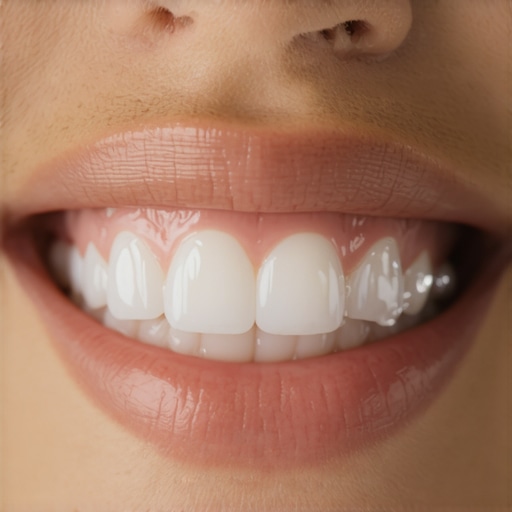
I vividly remember the day I first noticed that my teeth seemed…off. I had been diligently wearing my Invisalign trays, feeling proud of keeping up with my treatment. But then, I caught a glimpse of my reflection and saw it: those stubborn, yellowish stains sneaking around the edges of my teeth. It was a lightbulb moment—realizing that my effort might be backfiring. If you’ve experienced something similar, you’re not alone.
Uncovering the Hidden Culprit: Why Your Invisalign May Be Staining Your Teeth
Many Invisalign wearers don’t realize that their trays, while invisible and convenient, can sometimes cause their teeth to develop unwanted stains. The reason? Poor oral hygiene combined with the material of the trays can trap plaque, food particles, and bacteria, leading to discoloration and staining if not addressed promptly. The trays are designed to fit snugly over your teeth, but if plaque builds up underneath, it can cause the very opposite of what you want—dull, stained teeth instead of a bright, healthy smile.
Early on, I made the mistake of neglecting my monthly cleaning routine, assuming that just brushing my teeth was enough. That was a big oversight. Properly cleaning your trays and maintaining excellent oral hygiene is essential. Otherwise, bacteria can thrive in the nooks and crannies, causing staining, bad breath, and even decay. For a comprehensive guide on maintaining your Invisalign and protecting your smile, consider visiting [the ultimate guide to crowns for a healthier smile](https://familydentistpro.com/the-ultimate-guide-to-crowns-for-a-healthier-smile).
The good news? You don’t have to accept stained teeth as part of your Invisalign journey. In fact, understanding the root cause is half the battle won. By the end of this post, I’ll equip you with practical, proven steps to prevent staining and keep your smile as bright as it can be.
But before we dive into solutions, you might be wondering—**is this staining issue really common, or am I just unlucky?** Let’s explore that next.
Is Invisalign Whitening Worth the Hype or Just a Myth?
Honestly, I was skeptical at first. I thought, “Maybe my trays are just dirty, and that’s why my teeth look dull.” I learned that many people make the mistake of neglecting their trays or using harsh cleaning methods that damage the material. The key is to use gentle, effective cleaning routines and avoid abrasive cleaners that can scratch the trays and make stains worse. I initially tried using regular toothbrushes with strong toothpaste, which seemed logical at the time, but it turned out to be a mistake. Read more about [debunking Invisalign myths](https://familydentistpro.com/invisalign-myths-debunked-what-you-need-to-know-today) to avoid common pitfalls.
Understanding these details helped me realize that maintaining your trays and teeth simultaneously is crucial for a successful, stain-free smile. Now, let’s move on to the specific steps I took—and you can too—to keep your teeth shining bright during Invisalign treatment.
Mastering Daily Oral Hygiene for a Bright Smile
Start by establishing a routine that includes brushing at least twice a day with a soft-bristled toothbrush and fluoride toothpaste. Immediately after removing your Invisalign trays, brush your teeth thoroughly to remove plaque and food debris that can cause stains. Use gentle circles, covering all surfaces of your teeth for two minutes each session. I remember one morning when I was running late; I quickly brushed, but it resulted in some leftover plaque, which later contributed to minor stains. Regular brushing prevents plaque buildup and keeps stains at bay.
Deep Cleaning Your Trays
Every day, clean your Invisalign trays using a gentle, non-abrasive cleaning solution—preferably Invisalign-specific or a mixture of lukewarm water with a few drops of optimized denture cleaner. Use a soft toothbrush or special cleaning crystals designed for Invisalign. During my first attempt, I used a regular toothbrush with harsh toothpaste, which scratched the trays, leading to more staining. After switching to a specialized cleaner, my trays stayed clear, and my teeth remained bright.
Smart Dietary Choices to Avoid Staining
Limit consumption of staining foods and beverages like coffee, red wine, tea, and berries. If you indulge, rinse your mouth and clean your trays promptly afterward. I once enjoyed a berry smoothie and didn’t brush immediately; the residual pigment caused my trays to look dull the next day. Keeping a stash of water for rinsing helps wash away potential staining agents, protecting your smile.
Using a Straw Can Save Your Smile
When drinking staining liquids, use a straw positioned toward the back of your mouth. This minimizes contact with your teeth and trays. I found this tip especially useful during a family gathering with red wine; it allowed me to enjoy the drink without compromising my whitening efforts. Incorporate this simple step to safeguard your whitening results and maintain your smile’s brightness.
Regular Dental Visits Are Non-Negotiable
Schedule professional cleanings every six months. Your dentist can remove surface stains and monitor your oral health, catching problems early. During one appointment, my hygienist used special polish to buff away stubborn stains, which made a noticeable difference in my smile’s brightness. Additionally, your dentist can recommend whitening treatments compatible with Invisalign wearers, if desired.
Addressing Stubborn Stains
If stains persist despite diligent routines, consult your dentist about options like in-office whitening or custom take-home whitening kits. These solutions can brighten teeth safely without compromising your Invisalign treatment. Remember, trying to whiten teeth with over-the-counter products can sometimes cause uneven results or sensitivity.
Safeguarding Your Oral Environment
Maintain a balanced diet rich in crunchy vegetables and dairy products that naturally protect enamel and promote saliva production. Saliva acts as a natural cleaning agent, neutralizing acids and washing away staining particles. I noticed my teeth felt healthier and looked whiter after increasing my intake of fiber-rich foods, which also helped with cleaning food particles trapped by my trays.
Avoid Harmful Habits that Cause Stains
Refrain from using tobacco products and excessive alcohol, both of which significantly stain teeth and discolor trays. Quitting smoking improved not only my oral health but also the appearance of my smile, making my whitening efforts more effective. Being mindful of these habits enhances your overall results during Invisalign treatment.
Leverage Technology for Better Results
Consider using whitening apps or UV light devices approved by your dentist to enhance whitening effects safely. Be sure to discuss these options with your family dentist before starting any new treatment. These tools can provide an extra boost without risking damage to your trays or teeth.
Stay Consistent and Patient
Lastly, consistency is key. Daily maintenance combined with good habits ensures your smile remains bright throughout your Invisalign journey. Remember, results take time, but sticking to these proven steps makes a tangible difference—just like the time I dedicated to meticulously cleaning my trays and practicing good oral hygiene, which resulted in a radiant, stain-free smile that boosted my confidence every day.Many assume that family dentistry is just routine cleanings and cavity checks, but the truth runs much deeper. A common misconception is that once you’ve received a filling or crown, your need for ongoing care diminishes. In reality, maintaining long-term oral health requires understanding the nuanced role of restorative procedures like crowns, which are often misunderstood as quick fixes rather than vital components of your smile’s longevity.
Are Crowns Truly Permanent or Just a Short-Term Fix?
While many believe crowns are designed to last forever, their durability hinges on proper placement, material choice, and ongoing oral hygiene. Experts highlight that suboptimal crown placement can lead to issues like misalignment, wear, or recurrent decay—mistakes that could have been avoided with comprehensive planning, such as reviewing guidance from [the ultimate guide to crowns for a healthier smile](https://familydentistpro.com/the-ultimate-guide-to-crowns-for-a-healthier-smile). Furthermore, misconceptions about the true cost and lifespan of crowns often lead patients to neglect maintenance, resulting in premature failure. This misunderstanding could be considered a significant trap: thinking that a crown is a quick, one-time fix when it’s actually part of a broader, strategic approach to restorative health.
Another prevalent mistake is believing that family dentistry routines need only focus on children or simple preventive care. However, as adults face complex issues like gum recession, bone loss, or emerging sleep apnea symptoms, the scope of family dentistry significantly expands. For example, advanced techniques such as minimally invasive procedures for gum health can prolong the lifespan of your natural teeth and prevent costly interventions later on. Staying informed about these trends, as discussed in [family dentistry trends improving oral health for all ages](https://familydentistpro.com/family-dentistry-trends-improving-oral-health-for-all-ages), helps patients recognize that proactive, nuanced care is vital.
A further common myth is that orthodontic options like Invisalign are purely cosmetic, without health implications. However, the reality is that misaligned teeth can lead to uneven wear, TMJ issues, and even difficulties in cleaning, which increases cavity and gum disease risk. Many fail to realize that choosing Invisalign over traditional braces becomes a strategic health decision—they are’ not just about aesthetics but about optimizing oral function and long-term health. For more insights, see [Invisalign vs. Braces—Which solution fits your lifestyle](https://familydentistpro.com/invisalign-vs-braces-which-solution-fits-your-lifestyle).
Honing in on the finer points, one advanced mistake many overlook involves neglecting the importance of personalized treatment planning. Dentists like those at [choosing the right crown expert advice for long-lasting results](https://familydentistpro.com/choosing-the-right-crown-expert-advice-for-long-lasting-results) emphasize that a tailored approach—considering factors such as bite dynamics, enamel quality, and patient habits—is essential for successful outcomes. Ignoring these nuances can set the stage for complications like crown detachment or uneven wear.
In essence, understanding that family dentistry extends beyond basic checkups is key. It’s about strategic, nuanced care that addresses both current issues and future risks. Have you ever fallen into this trap? Let me know in the comments.Maintaining your oral health and ensuring the longevity of your dental work requires more than just regular brushing. Over the years, I’ve found that investing in specific tools and adopting efficient routines makes a significant difference in keeping my family’s smiles healthy and bright. Let’s delve into the essential tools I personally use and recommend for optimal dental maintenance.
High-Quality Electric Toothbrushes
I swear by my Sonicare DiamondClean for its gentle yet effective cleaning action. Its oscillating-rotating technology reaches deeper between teeth and along the gumline, which manual brushes often miss. The built-in timers ensure I brush for the recommended two minutes, preventing rushed or incomplete cleaning sessions. For those with crowns or sensitive areas, the gentle modes help prevent enamel erosion or discomfort. Incorporating an electric toothbrush into your routine can drastically reduce plaque buildup and prevent staining over time.
Specialized Tray Cleaners
Since I wear Invisalign trays, maintaining their cleanliness is paramount. I exclusively use Invisalign cleaning crystals, as they’ve been scientifically formulated to effectively remove bacteria and stains without scratching the material. Regular cleaning prevents bacterial buildup that can cause discoloration or infections. For your trays, avoid abrasive cleaners or toothpaste containing charcoal, which can abrade the surface. Consistent, gentle cleaning preserves the clarity of your trays and, consequently, your bright smile. If you’re unsure about the best cleaning method, refer to this guide for more insights on protecting your dental appliances.
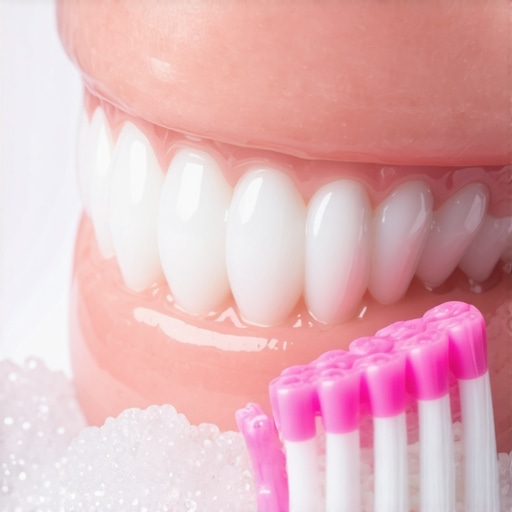
Image prompt: Close-up of Invisalign tray cleaning crystals and a soft-bristled toothbrush demonstrating proper cleaning technique. Alt: Invisalign tray cleaning tools for optimal hygiene. Title: Maintaining Your Invisalign Trays Effectively
Interdental Cleaning Devices
I transitioned to WaterPik water flossers because they effortlessly remove debris lurking between teeth and around crowns. Their adjustable pressure settings suit sensitive gums and stubborn plaque removal. The pulsating water stimulates circulation and ensures a thorough clean, especially for hard-to-reach areas. Using interdental brushes or floss threaders complements daily brushing, reducing the risk of stain-causing plaque buildup and decay.
Oral Health Monitoring Apps
Technology has advanced to help track and motivate oral hygiene habits. I use the Philips Sonicare app, which provides personalized reminders, brushing guidance, and progress tracking. It keeps me accountable and allows me to identify areas needing more attention. Combining this with regular dental checkups—ideally every six months—ensures long-term results. Staying informed about emerging trends, such as AI-driven diagnostics, will soon redefine how we manage preventive care, aligning with family dentistry trends seen in this post.
How do I maintain these tools over time?
Proper maintenance is crucial for longevity and effectiveness. Rinse all devices thoroughly after each use and allow them to air dry. Replace brush heads every three months or sooner if frayed. Clean water flossers monthly with vinegar solution to prevent mineral buildup. Keeping your tools in a dry, clean environment prevents mold and bacterial growth, ensuring they remain safe and efficient. Investing in quality tools and maintaining them diligently offers long-term benefits, reducing the need for costly dental work down the line. I encourage you to try the interdental water flosser for its ease and superior cleaning action—your oral health will thank you! For more tailored advice on selecting durable tools, consult this resource.
The Unexpected Lessons Only Long-Term Care Teaches Us
One of the biggest realizations I had was that consistency beats quick fixes. Having experienced the ups and downs of maintaining teeth whitening and Invisalign routines, I learned that patience and persistent effort are more valuable than short-lived solutions. I also discovered that misconceptions around family dentistry can lead us astray—like thinking crowns are permanent, when they actually require ongoing attention. Lastly, I understood that technology, from apps to advanced cleaning tools, can make a tangible difference—yet nothing replaces a steadfast commitment to good habits, which is the true foundation of a confident, healthy smile.
Tools and Resources That Changed My Outlook on Oral Care
Over the years, I’ve come to trust specific tools that align with my goal of a brighter smile. My electric toothbrush, the Sonicare DiamondClean, delivers gentle yet comprehensive cleaning—something I can’t go without. Invisalign cleaning crystals have become indispensable for keeping my trays stain-free. For interdental cleaning, WaterPik devices offer a level of cleanliness manual flossing can’t match and save me time. I also recommend the Philips Sonicare app for tracking habits and staying motivated. Each of these tools has reinforced my routine and proved that investing in quality and consistency truly pays off, especially when supported by trusted information from sources like this guide.
Your Confidence Starts Today—Don’t Wait to Shine
Choosing to prioritize your family’s oral health and your personal smile is an act of self-love and confidence. With the right knowledge, tools, and proactive mindset, you can navigate any challenges like staining or crown maintenance. Remember, every small step counts—be it daily brushing, mindful diet choices, or scheduling regular dental visits. The future of your smile depends on decisions you make now, so why not start today? Your brighter, healthier smile awaits—embrace it with confidence and knowledge, and let it transform your outlook on family dentistry and oral health.