
Why your porcelain veneers look opaque instead of natural
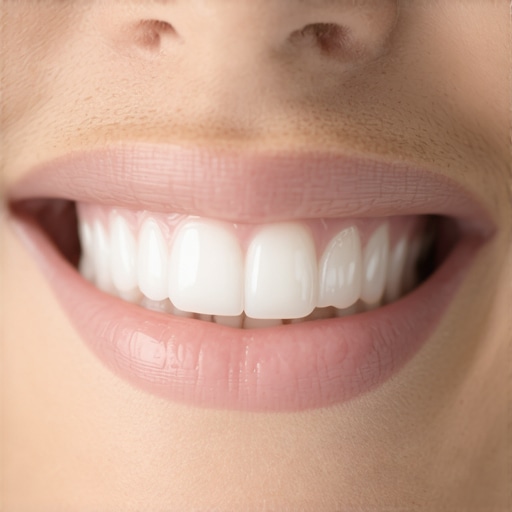
I remember the exact moment I noticed my porcelain veneers weren’t giving me the radiant, natural smile I had envisioned. Instead of the expected brightness and translucency, they seemed dull and oddly opaque, like plastic masquerading as teeth. That lightbulb moment was a wake-up call—something wasn’t right, and I knew I wasn’t alone in this struggle. Many people jump into veneers expecting flawless results but end up with a finish that looks artificial.
Understanding Why Veneers Sometimes Look Opaque
Porcelain veneers are celebrated for their durability and aesthetic appeal, but achieving a truly natural look involves more than just choosing the right shade. One of the biggest frustrations I encountered was realizing that the opacity wasn’t solely about the material but also about application techniques and material properties. For instance, if the veneers are too thick or if they lack the delicate translucency of natural enamel, they can appear more solid and less life-like.
A common mistake early on is choosing veneers without considering how light interacts with your teeth. Natural teeth aren’t completely transparent; they have a subtle translucency that allows light to pass through their edges, giving them depth and vitality. When veneers lack this property, they tend to look flat and opaque. I found out that factors like inadequate shade selection or improper polishing can exacerbate this effect. Interestingly, according to a study published in the Journal of Esthetic and Restorative Dentistry, translucency plays a critical role in the perception of natural teeth, emphasizing why the right material properties matter so much in veneers.
If you’ve ever felt disappointed after your veneer placement because they don’t look as natural as promised, I understand that frustration. It’s easy to think it’s just about the color, but the real trick is in the subtle interplay of light, the thickness of the veneer, and the skill of the dentist. I’ll share some insights and practical tips shortly to help you navigate this common issue and achieve that beautiful, natural smile you deserve.
Have you ever felt your veneers look more fake than fabulous? If so, you’re not alone—many of us face this challenge. The good news is that with the right approach, it’s possible to turn your veneers into a true reflection of natural teeth. Let’s explore how to do that next.
Match the Light: Prioritize Translucency for Realism
When I decided to improve my smile, I learned that the key to making veneers look natural was selecting materials that mimic the way light interacts with natural teeth. For instance, choosing porcelain with a translucency factor close to real enamel allows light to pass through edges, creating depth and vitality. I recommend visiting your dentist to review different material options and requesting samples to see how they reflect light in various lighting conditions.
Control Thickness for Authentic Appearance
In my experience, applying veneers with optimal thickness prevents an artificial, bulky look. A good rule of thumb is keeping the veneer as thin as possible while still covering imperfections. During my last procedure, my dentist carefully milled the veneers to be ultra-thin, which significantly improved the natural appearance. When scheduling your appointment, discuss with your dentist the importance of minimal thickness combined with high-quality material to achieve the desired translucency.
Perfect the Shade Selection Before Bonding
Matching your veneers to your existing teeth is crucial. I found it helpful to select the shade in natural daylight, avoiding fluorescent lighting that can distort color perception. Additionally, consulting with your dentist about the underlying tooth color can influence the final result. Remember, a slightly translucent shade will usually look more natural than opaque or overly white options, so be specific about your expectations.
Polish and Finish for a Lifelike Look
After placement, the finishing touches make a big difference. I witnessed my dentist meticulously polish the veneers to remove any surface roughness, ensuring light reflection mimics natural enamel. This step also includes shaping the edges to blend seamlessly with adjacent teeth. Don’t hesitate to ask your cosmetic dentist about their polishing technique—professional finishing elevates the realism of your veneers.
Test Light Interaction Before Finalizing
Before cementing your veneers permanently, I was encouraged to evaluate how they interact with light from different angles. This hands-on approach enabled me to spot areas that seemed too opaque or lacked depth. If your dentist offers a trial insertion, take advantage of this to view your smile under various lighting conditions, and provide feedback to fine-tune the translucency and positioning.
Ensure Proper Polishing and Polished Edges
To prevent that plastic-like dullness, ensure your veneers are polished with the right instruments—finishing with a fine abrasive paste can enhance the luster similar to natural tooth enamel. In my case, a polished edge was crucial to avoid a noticeable border between the veneer and gum line, which can ruin the illusion of natural teeth. Ask your dentist about their polishing protocols to secure a glossy, realistic finish.
Care and Maintenance to Sustain Natural Look
Finally, maintaining your veneers involves regular brushing with non-abrasive toothpaste and avoiding staining foods. I follow these simple routines diligently, and it helps preserve that lifelike translucency and shine. For more tips on keeping your smile healthy and radiant, check out top oral health tips. Regular professional cleanings also help retain the natural appearance of your veneers, making sure your smile stays as authentic as the day they were placed.
Many patients assume they understand the fundamentals of oral health treatments like Invisalign, family dentistry, and crowns, but beneath the surface lie nuances that can significantly impact long-term outcomes. For example, a common misconception about Invisalign is that it’s only suitable for minor corrections. In reality, with advances in technology and personalized treatment plans, Invisalign can effectively address more complex cases when managed by an experienced dentist. However, this doesn’t mean you can ignore the importance of proper attachment placement and compliance, which play crucial roles in treatment success.
Another often overlooked aspect is in family dentistry—the assumption that preventive care is just about regular brushing and flossing. While foundational, the real challenge is in customizing preventive strategies tailored to each family member’s unique risks, like cavities or gum disease susceptibilities. Regular checkups that include detailed assessments of bite, alignment, and even jaw health can prevent issues from escalating. Many overlook the significance of such comprehensive evaluations, which can save families thousands in future restorative procedures.
When it comes to crowns, there’s a myth that they are purely cosmetic. In truth, modern crowns serve as vital restorations that protect weakened teeth from further damage and help restore functionality. An advanced mistake is neglecting the importance of choosing the right material—be it porcelain, zirconia, or metal—that best suits the tooth’s location and functional needs. Moreover, the preparation process itself requires sophistication; overly aggressive tooth reduction can compromise the integrity of the restoration, leading to discomfort or failure.
One critical nuance is in understanding the hidden risks associated with these treatments. For instance, improper bonding techniques in crowns can lead to microleakage, causing decay beneath the restoration, a setback many don’t anticipate until symptoms arise. Similarly, with Invisalign, improper tracking of tooth movements can extend treatment times or cause unintended displacement, especially if attachments are placed poorly. A 2022 study published in the Journal of Dental Research highlights that meticulous attention to detail in each step of treatment markedly improves outcomes and reduces the need for retreatments.
Have you ever fallen into this trap? Let me know in the comments.
Knowing these nuances can elevate your understanding and decision-making regarding your dental health. It’s not just about the surface appearance; the details determine the success and durability of your treatments. For a deeper dive into how modern dentistry is evolving to address these intricacies, check out our analysis of why crowns are now at the forefront of restorative care or discover the latest trends in family dentistry that could benefit your loved ones. Remember, the devil is in the details, and awareness is your best tool for a healthier, more beautiful smile.
Maintaining your dental restorations and orthodontic appliances requires more than just regular brushing and flossing. Having the right tools and an understanding of proper care routines can significantly extend the lifespan of crowns, veneers, and even Invisalign trays. I personally rely on specialized tools like interdental brushes and ultrasonic cleaners to keep my appliances in top shape. For instance, I use an ultrasonic denture cleaner, which employs high-frequency vibrations to remove debris from hard-to-reach areas of my aligners, ensuring optimal hygiene without damaging the material. This method not only improves oral health but also prevents staining and odor buildup over time.
Investing in quality tools like a multilevel polishing kit can help you achieve that professional finish at home, especially after adjustments or deep cleaning sessions. I recommend a variable-speed dental polishers with fine abrasive burs, which allow precise and gentle polishing of crowns and veneers, restoring their natural luster. Additionally, digital tools like Bluetooth-enabled intraoral scanners enable your dentist to monitor your progress remotely, ensuring that corrections are being maintained and adjustments are made promptly.
As technology advances, future trends point toward smart dental devices that communicate with your smartphone to provide real-time maintenance alerts—think of a smart toothbrush for your aligners or crowns that detects microscopic damage or plaque accumulation. Such innovations will make DIY maintenance more effective and help prevent costly repairs or replacements down the line. One such device, the PlaqueControl sensor, is now being developed to signal when professional cleaning is due, which is crucial for long-term oral health outcomes.
How do I maintain my dental restorations over time?
Consistency is key. Regular professional checkups are vital, as your dentist can identify early signs of wear or damage. Incorporating daily routines using recommended tools, like a soft-bristled toothbrush with a polishing head, helps preserve the natural appearance and function of your restorations. Remember to avoid abrasive toothpaste that can dull surfaces; instead, opt for gentle, fluoride-rich options that support enamel health. To further support your efforts, I suggest scheduling semi-annual cleanings, which your dental team can tailor based on your unique needs and lifestyle.
For more comprehensive tips on maintaining your oral health and dental work, visit this resource. Don’t forget, investing in quality tools and adopting consistent routines now will pay dividends in the durability and appearance of your dental work for years to come. Try integrating one new maintenance tip—like an ultrasonic cleaner or specialized polishing kit—and notice the difference in your oral health longevity!
Over my years navigating the world of dental aesthetics and health, I’ve uncovered truths that aren’t commonly shared. One of the most profound lessons I learned is that achieving a natural smile with veneers isn’t solely about choosing the right shade but mastering the delicate art of light interaction and material translucency. This insight transformed my approach and can do the same for you.
Another significant realization came from understanding that the smallest details—like polishing technique and veneer thickness—make a world of difference. These nuances can elevate a dental restoration from looking artificial to seamlessly blending with natural teeth. Paying close attention to these aspects has been a game-changer in my pursuit of authenticity.
Lastly, I discovered that ongoing maintenance, including proper cleaning tools and habits, plays a crucial role in preserving that authentic look over time. Regular checkups combined with tailored routines ensure that your smile remains vibrant and true to nature, long after the initial procedure.
Lessons That Changed My Perspective on Veneers
- Translucency Is Key: Materials that mimic the light-scattering properties of natural enamel create depth and realism. Don’t settle for opaque options—demand translucency in your veneers.
- Less Is More: Keeping veneers thin preserves their natural glow. Talk to your dentist about minimizing thickness without compromising strength.
- Color Matching Under Natural Light: Shade selection in daylight prevents surprises. Always review colors in appropriate lighting to ensure harmony.
- Finishing Touches Matter: Polishing and edge shaping can make or break the natural appearance. Invest in a skilled technician who prioritizes these details.
- Consistent Care Extends Lifespan: Routine cleaning with the right tools keeps translucency and shine intact, making your veneers last longer and look better.
Tools and Resources That Elevated My Journey
- Ultrasonic Cleaners: These remove debris effectively from aligners and veneers without abrasiveness. I trust this method to maintain hygiene without damaging surfaces. Learn more about top oral health tips to support your routine.
- Professional Polishing Kits: Using dental-grade polishing tools at home restores gloss and smoothness. A high-quality kit can make a noticeable difference in the appearance of your restorations.
- Intraoral Scanners: These digital devices help monitor your smile’s progress and allow for precise adjustments. Embracing such technology can prevent issues before they escalate.
- Educational Resources: Books and articles on veneer materials and techniques deepen your understanding. I recommend exploring insights like those found in the ultimate guide to crowns for a comprehensive perspective.
Your Path to a Genuine Smile Starts Now
Embracing these lessons and leveraging the right tools empowers you to take control of your dental health and aesthetics. Remember, your smile is a reflection of your confidence and well-being—nurturing it is an investment worth making. Don’t wait for perfection; start implementing these insights today and notice the transformation in your appearance and self-assurance.
Have you ever been disappointed with the natural look of your veneers or dental restorations? Share your experiences below—I’d love to hear your story and help you find solutions that bring your smile closer to perfection!