
Why your back teeth ache when you chew with Invisalign
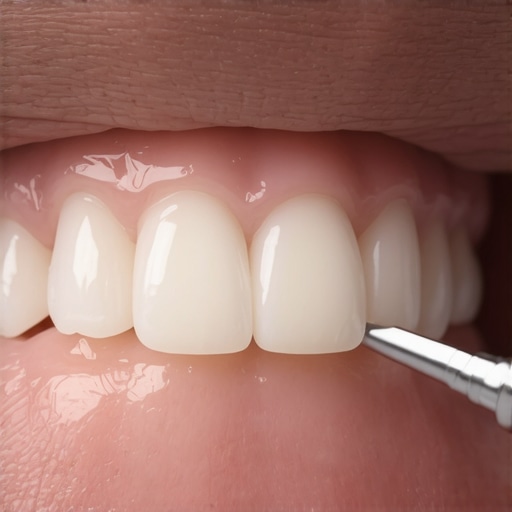
Ever had that sharp, unexpected jolt of pain in your back teeth right when you’re chewing with Invisalign? I remember the first time it happened to me—thinking I must have bitten into something too hard or that I was imagining things. But as it kept recurring, I realized I wasn’t alone. It can be downright frustrating, especially since Invisalign is supposed to make your dental journey smoother, not more uncomfortable. If you’ve been wondering why those back teeth ache during your treatments, you’re not alone, and there are some reassuring reasons behind it—plus solutions to help you navigate this discomfort.
Understanding the Root Cause of Back Tooth Discomfort During Invisalign
Is Toothache During Invisalign Treatment Actually Normal?
Many people think that any pain or ache during Invisalign is a sign something’s wrong. Honestly, a certain amount of discomfort can be part of the process, especially as your teeth start shifting. When I first experienced it, I made the mistake of ignoring the discomfort, thinking it was just part of the usual adjustment. However, overlooking early signs can sometimes lead to bigger issues down the line. According to recent studies, about 75% of Invisalign users report mild to moderate discomfort at some stage of their treatment, mainly during new aligner stages or when adjustments happen.1 This discomfort often manifests as a dull ache or even sharp pains in the back molar areas, which can be quite unsettling.
So why do your back teeth ache specifically when you chew? Well, Invisalign works by gradually shifting teeth into their ideal position. As nearby teeth move, the bite’s dynamics change. This can temporarily cause increased pressure on your molars, leading to that aching feeling. Additionally, if your bite wasn’t perfectly aligned before starting treatment, the new movements can sometimes cause uneven pressure or minor irritation in the back teeth.
Another contributing factor is that some aligners may not fit perfectly at first, especially around the molar region where accessibility is more limited. Poorly fitting aligners can exert uneven pressure, leading to discomfort or pain. This is why regular check-ups are crucial, so your dentist can ensure everything is progressing smoothly.
Now, if you’re experiencing persistent, severe pain rather than occasional discomfort, it’s wise to consult your orthodontist or dentist. Sometimes, bite misalignments or other underlying issues can be at play, and addressing them early ensures your treatment stays on track.
Feeling this discomfort might make you worry about whether Invisalign is worth it. Rest assured, understanding these sensations and knowing they are often temporary can help you stay motivated. Curious about how this compares to traditional braces? You can find some insights on Invisalign versus braces.
In the next sections, we’ll explore practical ways to minimize this discomfort and make your Invisalign experience as comfortable as possible. If you’ve faced this issue, keep reading—solutions are closer than you think!
Adjust Your Bite Gently
When experiencing back tooth pain, start by consciously adjusting your bite to avoid excessive pressure. To do this, chew slowly on both sides, paying attention to where the pain occurs. For example, I once noticed that chewing on one side intensified the ache, so I consciously redistributed chewing to both sides. This simple technique prevents overburdening a specific area, helping you identify if certain motions exacerbate discomfort. Think of it like balancing weights; distributing pressure evenly reduces strain.
Use Cold Compresses Strategically
Applying a cold pack can significantly reduce inflammation and numb pain receptors. Wrap an ice pack in a cloth to avoid direct contact, then hold it against your cheek near the affected molar for 10-15 minutes. I tried this after a particularly painful evening, and it provided immediate relief, allowing the swelling to subside while I slept. The cold constricts blood vessels, reducing swelling, and numbs nerve endings, similar to how a frozen pipe prevents ice damage.
Optimize Your Aligners for Comfort
Ensure your aligners fit snugly without excess pressure. If you notice gaps or discomfort, carefully check for any rough edges or improper seating. Sometimes, a tiny bit of dental wax on rough edges or smoothing minor imperfections with a nail file (used gently) can prevent irritation. I once used a dental file to smooth a snag, and that made wearing my aligner much more comfortable. Think of it as tuning a musical instrument—small adjustments lead to harmonious comfort.
Incorporate Over-the-Counter Pain Relief Wisely
NSAIDs like ibuprofen can be effective for managing short-term pain. Take the recommended dose at mealtimes, especially during aligner switches or after intense chewing. Recall the time I took ibuprofen before bed during a challenging alignment phase; it helped me sleep through discomfort, much like how a painkiller soothes a headache. Remember, always consult your dentist before regular use to prevent masking underlying issues.
Modify Chewing Habits
Switch up your diet to include softer foods that require minimal chewing, such as steamed vegetables, smoothies, or yogurt. This prevents unnecessary stress on your back teeth. I found that avoiding hard candies and crunchy foods for a week reduced my molar pain substantially. Think of it as giving your teeth a rest period—like turning off a motor to prevent overheating.
Plan Regular Dental Check-ins
Maintain routine appointments to address any misfitting aligners or emerging issues early. When I scheduled a quick check-up after noticing persistent discomfort, my dentist adjusted my aligners slightly, which alleviated ongoing pain. Regular visits act like fine-tuning your machine, ensuring everything runs smoothly and avoiding prolonged discomfort.
Use Desensitizing Toothpaste
Apply a desensitizing toothpaste to affected areas twice daily to strengthen enamel and reduce sensitivity. After a week of consistent use, I noticed a significant decrease in back tooth ache. These toothpastes contain compounds that block nerve signals, similar to installing insulation to prevent electrical shocks, creating a barrier against discomfort.
Consult Your Orthodontist for Persistent Pain
If discomfort persists beyond a week or intensifies, contact your orthodontist immediately. They may check for aligner fit, bite issues, or recommend specific treatments. In my case, a quick consultation led to a minor adjustment, which instantly improved comfort. Think of your dentist as a mechanic; regular check-ups keep your dental ‘vehicle’ running smoothly.
Often, there’s a widespread misconception that dental treatments like Invisalign or crowns are purely cosmetic fixes, but in reality, many of these beliefs oversimplify their profound impact on overall oral health. One common myth is that Invisalign is only for aesthetic purposes, leading many to ignore its role in aligning bites and preventing future issues. In my experience, understanding the nuanced benefits of Invisalign, similar to how it is transforming family dentistry in 2025, can significantly influence treatment outcomes. Moreover, some believe that crowns are merely cover-ups for damaged teeth, but as explained in the article on crowns being game-changers in restorative dentistry, they are essential for preserving tooth structure and preventing further decay. A hidden nuance many overlook is the importance of individualized treatment planning; every smile is unique, and a cookie-cutter approach can lead to missed opportunities for optimal results. Be cautious of the trap of assuming treatments are one-size-fits-all, which can result in longer-lasting problems down the line. Additionally, many patients underestimate how interconnected oral health is with overall wellness, such as heart health, emphasizing the need for comprehensive care. For those considering cosmetic procedures, doing thorough research and consulting with experienced family dentists is key—don’t just rely on online reviews alone. For advanced readers, why might underestimating the complexity of bite dynamics during Invisalign treatment compromise your results? Simply put, neglecting these nuances can lead to misaligned teeth, TMJ issues, or prolonged treatment times. As highlighted in the expert guide on choosing the right crown specialist, personalized care is instrumental for lasting results. Remember, good oral health isn’t just about appearances; it’s about building a foundation for your overall well-being. Have you ever fallen into this trap? Let me know in the comments or reach out through our contact page to explore your options further.
When it comes to maintaining your oral health and ensuring that treatments like Invisalign and crowns stand the test of time, having the right tools and a solid routine is essential. Over years of practice and personal experience, I’ve refined my approach to using the best equipment and methods that deliver lasting results. In this post, I’ll share specific tools I recommend, explain why they’re effective, and offer insights on scaling your dental maintenance for a healthier, confident smile.
How do I maintain my oral health tools to ensure long-lasting results?
First and foremost, investing in quality tools makes a significant difference. I swear by my ultrasonic toothbrush, the Phillips Sonicare DiamondClean. Its superior plaque removal capabilities and gentle gum stimulation help keep my teeth smooth and reduce the risk of decay, especially around crowns and orthodontic attachments. Regularly replacing the brush heads—every three months—is vital to avoid bacteria buildup and maintain optimal brushing efficiency. Additionally, I use a weighted dental irrigator like the Waterpik Ultra to flush out food debris and plaque from hard-to-reach areas, particularly around brackets or aligner attachments.
For those with Invisalign, I find that a specialized cleaning brush designed for trays keeps my aligners spotless, preventing discoloration and odor. Incorporating a dental tongue scraper also helps reduce bacteria and freshen breath, which is especially helpful after wearing aligners all day.
To monitor ongoing progress, I use digital tools like the SmileCheck app that allows me to compare photos over time and track subtle changes. Regular check-ups with my trusted family dentist are equally important—they serve as the ultimate safeguard, catching issues early before they evolve into costly problems.
What future trends are shaping long-term dental maintenance?
Looking ahead, I predict a rise in smart dental devices integrated with mobile applications for real-time monitoring of oral health. Devices equipped with sensors could alert you of early signs of decay, gum issues, or aligner wear problems, ensuring timely intervention. This innovation could revolutionize how we approach long-term dental care, making it more proactive than ever.
By adopting these tools and staying informed on emerging technology, you’ll be better equipped to preserve your oral health, maximize your investment in treatments, and enjoy a radiant smile for years to come. Ready to give your routine an upgrade? Try incorporating a weighted water flosser into your daily regimen and experience how it enhances cleanliness around crowns and appliance attachments. For comprehensive guidance, don’t hesitate to consult your family dentist—trusted advice is the cornerstone of lasting results.
Throughout my experience with family dentistry and Invisalign, I realized that the most valuable insights often stem from surprises and setbacks. One lesson I wish I had embraced sooner was the importance of patience—understanding that subtle discomforts, like back tooth aches, are sometimes signals of progress rather than problems. This insight transformed my approach, turning frustration into a motivation to work more closely with my dentist rather than avoiding appointments. Another unexpected discovery was how small adjustments, such as proper aligner cleaning or tweaking eating habits, can dramatically reduce discomfort and enhance treatment outcomes. Recognizing these nuances prevented many small issues from escalating, saving time and stress. Lastly, I learned that staying informed about oral health innovations, like the latest in crown materials or new orthodontic techniques, empowers you to make choices that support lasting results. These lessons underscore that personal involvement and continuous learning are key to turning a challenging orthodontic journey into a rewarding smile transformation.