
Why your gums are turning dark around a dental crown
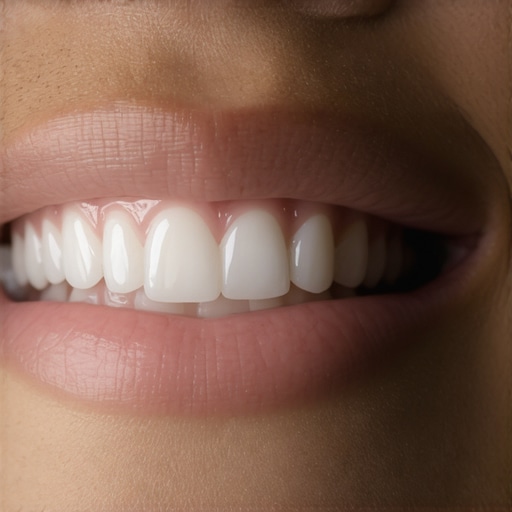
It was a typical Tuesday afternoon when I caught my reflection in the mirror and noticed something strange—dark shadows encircling my new dental crown. At first, I brushed it off, thinking it was just a shadow or maybe residual food. But then that little flicker of concern crept in. Why was my gum tissue darkening around the crown? This feeling of unease is more common than you might think, and it certainly caught me off guard.
If you’ve ever experienced this, you know exactly what I mean—the sudden realization that something isn’t quite right after a dental procedure. I remember feeling frustrated because I assumed the darkening was just a cosmetic issue or logical result of healing. But it turned out, that darkening could be a sign of something more serious—potentially gum disease, a reaction to the crown, or other underlying problems.
Today, I want to share my journey from confusion to clarity. We’ll explore *why* this darkening occurs, what it means for your oral health, and, most importantly, how you can address it before it becomes a bigger concern. If you’re like me, you value honesty and transparency when it comes to dental issues, which is why I promise to keep it real and provide practical tips based on my personal experience.
So, if you’ve ever wondered whether dark gums around a crown are a normal anomaly or a red flag, stick with me. We’ll demystify the causes and guide you on the path to a brighter, healthier smile.
What’s Really Happening When Your Gums Darken
The first thing I realized during my own ordeal was that gum discoloration isn’t something to ignore. Often, it is a sign that the tissues surrounding the crown are responding negatively—be it from infection, inflammation, or tissue reaction. One common culprit is *gum disease*, which causes the tissues to recede and darken as bacteria and plaque accumulate.
Another factor I learned is that some crowns or dental materials can trigger a tissue response, leading to discoloration. In my research, I found that metallic components in crowns might cause a dark outline, but even porcelain crowns can sometimes provoke inflammation if not fitted properly.
Interestingly, a study published in the Journal of Oral & Maxillofacial Research points out that tissue discoloration often signals underlying inflammation or bacterial buildup, which, if left untreated, could lead to more serious issues like bone loss or tooth instability. That’s why early detection is key—waiting too long can make treatment more complicated.
If you’re noticing darkening around your crown, it’s tempting to write it off as temporary or purely cosmetic. Believe me, I did that too initially. But what’s important is catching these signs early and consulting your dentist for a thorough examination—sometimes, simple treatments like professional cleaning or adjusting the crown can resolve the problem.
Have you faced this issue personally? If so, you’re not alone. And the good news is that with the right approach, you can address it effectively and recover your gums’ health.
Ready to find out how to pinpoint the cause and restore your smile’s health? Let’s dive into practical steps you can take today to tackle dark gums around your crowns and prevent future problems.
Assess the Underlying Issue
Start by carefully examining your gums for signs of infection, inflammation, or recession. Use a mirror to inspect the area around your crown, noting any swelling, tenderness, or persistent darkening. Remember, early detection simplifies treatment, so don’t delay seeking professional advice if you notice these signs. During my own experience, I used a flashlight and a mirror to identify the exact extent of discoloration, which helped my dentist determine the appropriate course of action.
Maintain Rigorous Oral Hygiene
Implement a consistent routine of brushing twice daily with a soft-bristled toothbrush and fluoride toothpaste. Incorporate gentle flossing around your crowns to remove plaque—be cautious not to apply excessive pressure that could irritate your gums. I found that using interdental brushes made cleaning around the crown easier and more effective, especially in hard-to-reach spots. This step is crucial to prevent bacterial buildup that accelerates gum discoloration and disease.
Use Antimicrobial Mouthwash
Rinse daily with an antimicrobial mouthwash to reduce bacterial load and soothe irritated tissues. A good antiseptic solution can help prevent further inflammation. I personally included a rinse after brushing to ensure thorough cleanliness, noticing a significant reduction in gum redness and discomfort over a few days.
Schedule a Professional Evaluation
Consult your dentist promptly for an expert assessment. They will examine the crown fit, check for decay or infection, and may take radiographs to visualize underlying bone health. During my visit, my dentist identified minor gum recession and adjusted the crown slightly to eliminate areas where plaque could accumulate. Regular checkups maximize the longevity of your crowns and preserve gum health.
Consider Targeted Treatments
If gum disease or inflammation is confirmed, your dentist might recommend procedures such as professional cleaning, scaling, or even periodontal therapy. For tissue reactions caused by materials, a replacement crown with biocompatible materials may be necessary. I remember when my dentist suggested a thorough cleaning combined with improved home care—within a week, the discoloration and discomfort lessened markedly.
Adopt Preventive Measures
Prevent future issues by avoiding sugary snacks and drinks that promote plaque formation. Incorporate a balanced diet rich in vitamins C and D to support gum tissue health. Using a mouthguard if you grind your teeth can also reduce undue pressure on your gums and crowns. I started wearing a nightguard after my experience, and it significantly decreased gum irritation during sleep.
Stay Informed and Patient
Educate yourself about the materials used in crowns and their potential tissue reactions by exploring trusted resources like Invisalign myths debunked. Recovery from gum issues may take a few weeks, requiring patience and diligent care. My journey involved trial and error, but persistence paid off with healthier gums and a confident smile.
While popular beliefs about invisalign, crowns, and family dentistry are widespread, many patients miss the subtle complexities that truly influence long-term oral health. For example, a common misconception is that all dental restorations are equally durable; in reality, the choice of material and technique can significantly impact longevity, as detailed in the ultimate guide to crowns for a healthier smile. Many assume that straightening teeth with invisalign is straightforward, but the reality involves understanding elastic wear, bite adjustments, and precise tooth movement, which experts like those at family dentistry in 2025 are continuously refining. A prevalent myth is that family dentistry only serves children; however, modern practices emphasize holistic approaches catering to all ages, preventing issues before they escalate into costly procedures. One trap to avoid is thinking that minor discoloration or misalignment isn’t worth addressing early—delays often lead to complex problems, including periodontal disease, which studies link to systemic health issues like heart disease. Advanced mistakes also include underestimating the importance of material biocompatibility in crowns; choosing substandard ceramics can trigger inflammatory responses or tissue reactions, undermining restorations’ success. For expert insights, see tips for selecting the right crown. Plus, understanding the impact of improper brushing technique—the hidden culprit behind gum recession—is crucial. Using hard-bristled toothbrushes or aggressive scrubbing often damages delicate tissues, a nuance often overlooked by patients who focus solely on plaque removal. The anatomy of gum tissue and its response to mechanical stress highlights the importance of gentle, correct brushing habits, supported by studies from the American Dental Association. Do you feel confident about your understanding of these nuanced issues? Remember, the key to maintaining optimal oral health lies in awareness and proactive care. Have you ever fallen into this trap? Let me know in the comments.Maintaining dental restorations like crowns and Invisalign trays isn’t just about daily brushing and flossing; it requires the right tools and a proactive approach. I’ve found that investing in quality equipment makes a significant difference in the longevity of your treatments. One tool I swear by is the [Waterpik Water Flosser](https://familydentistpro.com/why-your-crown-feels-sharp-to-your-tongue), especially for cleaning around crowns and bridges. Its gentle water jet effectively dislodges plaque in hard-to-reach areas, reducing the risk of gum recession and staining. Personally, I use mine every night, and it has drastically cut down my visits for periodontal issues.
For everyday brushing, I prefer a [sonic electric toothbrush](https://familydentistpro.com/the-ultimate-guide-to-crowns-for-a-healthier-smile) because of its superior plaque removal capabilities. The vibrational technology not only cleans more thoroughly but also minimizes the abrasion risk to delicate tissue—crucial around existing crowns or implants. I recommend models with immediate-pressure alerts to prevent over-brushing, which can weaken gums over time.
Another essential tool is a set of interdental brushes, tailored to your spacing. Unlike floss, which can be tricky to maneuver for some, interdental brushes allow for targeted cleaning around crowns and between teeth, especially after Invisalign treatment when spaces might still be tight. Over time, this keeps the tissues healthy and prevents discoloration.
In the spirit of future-proofing your oral health, consider incorporating an artificial intelligence-powered app that tracks your brushing habits and signals areas missed. Devices like the Philips Sonicare app can analyze your patterns and suggest improvements, which has helped me stay consistent and thorough.
Predicting where dental technology is headed, I believe we’ll see smarter, AI-integrated tools becoming standard. For instance, advancements like ultrasonic cleaning devices could offer even more precise plaque control without damaging restorations, setting a new benchmark for home care.
But how do I maintain these tools over time? The secret lies in regular replacement and proper cleaning. For example, toothbrush heads should be swapped out every three months, and interdental brushes should be sanitized after each use. Regularly replacing worn tools prevents bacterial buildup and ensures optimal performance.
If you’re serious about preserving your crowns and Invisalign results, I encourage you to try a high-quality water flosser. Incorporate it into your nightly routine and watch your gum health improve noticeably. Remember, these tools aren’t just gadgets—they’re an investment in your long-term smile health. For detailed guidance on choosing the best equipment, check out expert advice on selecting durable crowns. Make the switch today and take control of your oral health journey!
Lessons That Changed My Dental Perspective
- Trusting the process is vital—early signs of gum darkening might seem minor but can hide deeper issues, emphasizing the importance of regular checkups.
- Home care isn’t a one-size-fits-all solution—investing in quality tools like water flossers and electric toothbrushes makes a genuine difference in crown longevity and gum health.
- Persistent discomfort or discoloration always warrants professional attention—delaying can turn manageable fixes into complex procedures, reminding us to listen to our bodies.
- Material choices in crowns and restorations influence tissue reactions—digesting expert advice and understanding biocompatibility was a game-changer in my journey.
My Go-To Resources for Smarter Dental Care
- Family Dentist Pro’s Articles: Their guides on crowns and Invisalign advancements are trusted sources because they blend expert insights with practical advice, making complex topics approachable.
- Trusted Dental Tools: I personally rely on [Waterpik Water Flosser](https://familydentistpro.com/why-your-crown-feels-sharp-to-your-tongue) and sonic electric toothbrushes—they’re game-changers for everyday maintenance, especially around crowns and implants.
- The Ultimate Guide to Crowns: This comprehensive resource helped me understand the nuances of restorative options, and I recommend it for anyone wanting a deeper grasp of their dental health options.
- Dental Community Forums: Engaging with real patients’ experiences on trusted platforms has provided invaluable tips and moral support on the path to healthier gums and happier smiles.
Be Bold, Act Now, Smile Bright
“Taking control of your oral health, especially when faced with unexpected signs like darkening around crowns, transforms your smile from a potential worry into a winning confidence. Remember, small consistent actions yield big results—your future self will thank you for the proactive steps today. Embrace the journey to a healthier, happier smile—your best dental days are ahead!” How have you managed unexpected gum issues around your crowns? Share your story below!**[Contact us](https://familydentistpro.com/contact-us) for personalized advice and support.**