
Why your dental implant is making a clicking sound
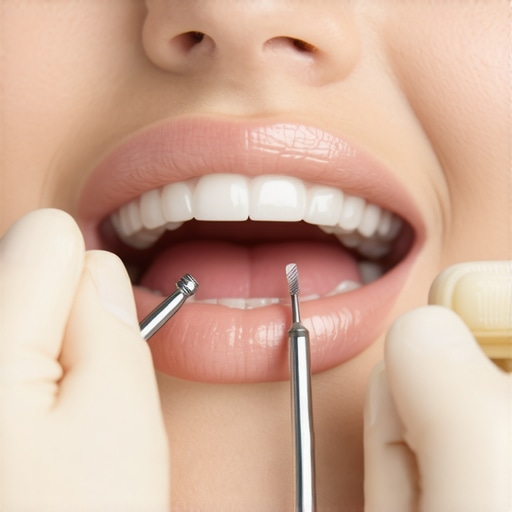
I’ll never forget the first time my dental implant started clicking during a casual chat with friends. That unexpected sound made me freeze, thinking, “Is this supposed to happen?” It’s surprisingly common, but that little clicking can trigger a wave of questions and doubts. If you’ve experienced a similar buzz in your mouth or noticed that your implant feels oddly loose, you’re not alone. Many people find themselves asking, why does my dental implant make a clicking noise? and more importantly, what should I do about it?
Cracking the Code of the Clicking Noise
Dental implants are designed to mimic natural teeth, providing a robust foundation for chewing and smiling confidently. However, just like our real teeth, implants can sometimes produce sounds—clicking or popping—that leave us puzzled and concerned. This noise isn’t always a sign of disaster, but ignoring it can lead to bigger issues down the line. In fact, I made the mistake early on of dismissing that strange sound, hoping it would disappear on its own. Turns out, that was a mistake I wouldn’t want anyone else to make.
Is Clicking My Implant a Serious Problem?
Many people worry that a clicking implant signals failure or impending disaster. While it can be an indicator of a misfit or movement of the implant, it’s also often a sign of minor issues like a loose crown, overuse of chewing forces, or even natural joint movement. The key is recognizing when to seek professional advice. Remember, proactive care can save your implant and your smile, so don’t delay if the noise persists.
According to recent studies, about 20% of implant patients experience some form of noise or discomfort that merits evaluation by their dentist. Which brings us to the next step: understanding why this happens and how to address it effectively. Stay tuned because I’ll share some practical insights, and yes, solutions that can get your implant back to silent, comfortable operation.
Schedule a Professional Evaluation Immediately
The first step after noticing clicking sounds in your implant is booking an appointment with your dentist. Don’t delay—timely assessment can prevent minor issues from escalating. When I experienced this myself, I called my dentist the same day. They performed a thorough check, including X-rays, to identify the root cause. Remember, a professional diagnosis is essential because clicking can stem from various factors like an ill-fitting crown or implant movement.
Understand the Possible Causes
The clicking noise often results from minor misalignments, loose crowns, or excessive bite forces. Think of it as a door hinges that creak or wobble—something’s slightly out of place but fixable. In my case, my dentist explained that a loose crown was causing the clicking. If left unaddressed, this could lead to bone loss or implant failure. So, get clarity on what’s causing your specific issue before attempting any fixes.
Implement Targeted Dental Repairs
Get a Crown Re-cemented or Replaced
If a loose crown is identified, your dentist might recement it or replace it altogether. This is akin to re-gluing a cracked tile—restoring stability and silencing the noise. I had my crown re-cemented during a quick appointment, and the clicking disappeared immediately, restoring my confidence in my smile.
Adjust Your Bite or Occlusion
Sometimes, the issue stems from the way your teeth come together—your bite. Your dentist may perform a bite adjustment, similar to tuning an instrument, ensuring even pressure distribution. This can prevent undue stress on the implant, reducing clicking sounds. When I needed a bite correction, the process was swift, and it noticeably improved comfort and function.
Consider Implant Stabilization Techniques
In rare cases, an implant may need additional stabilization, such as minor surgical procedures or splinting. Think of it as reinforcing a wobbly fence post—adding support to ensure it stays firm. Your dentist will guide you on whether this step is necessary after evaluating your implant’s stability.
Maintain Optimal Oral Hygiene Practices
Proper oral care is vital to prevent issues that cause clicking. Use gentle brushing and floss carefully around your implant, just as you would delicately clean fine jewelry. I adopted a meticulous cleaning routine after my repair, which helped prevent reinfection or loosening.
Avoid Excessive Chewingstresses
Be mindful of biting into hard foods or chewing gum excessively. Think of it like avoiding over-tightening a screw—too much force can loosen or damage components. Scheduling regular check-ups ensures your implant and surrounding teeth are well-aligned and functioning smoothly.
Stay Informed About Implant Care
Educate yourself about how to prolong the life of your implant. Read trusted resources or consult your dentist to understand signs of wear or potential problems. For example, I now know that sudden changes in bite or persistent noises warrant immediate attention, helping me act promptly rather than waiting for issues to worsen.
Many assume that visiting the dentist only means addressing cavities or getting a cleaning, but there’s a deeper layer of understanding that often gets overlooked. One common misconception is that all dental treatments are interchangeable or universally effective, especially with procedures like crowns or Invisalign. In reality, the nuances in choosing the right material for a crown or the appropriate orthodontic solution can significantly impact long-term results. For instance, opting for a cheap zirconia crown without considering the specific needs of your bite or gum health can lead to premature failure—something I learned through extensive research and experience. Additionally, many believe that regular brushing is enough for optimal oral health, but studies show that flossing and professional cleanings play crucial roles in preventing gum disease and maintaining healthy tissues.
Why Do People Overlook the Complexity of Family Dental Care?
Understanding the subtle differences in dental materials and techniques can make or break your oral health journey. For example, choosing Invisalign over traditional braces isn’t just about aesthetics; it’s about how your teeth move in response to different forces, which requires an experienced orthodontist for optimal outcomes. A recent study highlighted that improper force application can cause root resorption or unwanted shifting, emphasizing the importance of expert care. Moreover, misconceptions like believing that whitening treatments are universally safe can lead to enamel erosion if not properly supervised. Always consult your dentist about the best approach for your unique situation.
Beware of the trap of generic online advice that promotes DIY solutions or over-the-counter products as replacements for professional care. Such shortcuts might seem cost-effective but can lead to complications like sensitivity, decay, or even implant failure down the line. For example, applying whitening gels improperly or ignoring signs of gum recession can worsen your oral health instead of improving it. Remember, individual variations require tailored treatments—what works for someone else may not be suitable for you.
To truly understand the subtleties of advanced family dentistry and maintain a healthy smile, framing your questions around the longevity and compatibility of materials is vital. Asking your dentist about innovative bonding techniques or the latest in crown technology can provide insights that enhance durability and aesthetics. For those considering orthodontics, exploring options like Invisalign versus traditional braces—discussed comprehensively in [this guide](https://familydentistpro.com/invisalign-vs-braces-which-solution-fits-your-lifestyle)—can help you make informed decisions aligned with your lifestyle and health goals.
In conclusion, the real nuance lies in understanding that oral health isn’t just about treating problems but preventing them through precise, personalized care. Don’t fall into the trap of thinking all solutions are created equal or that quick fixes suffice. Your smile deserves a strategic approach rooted in expert knowledge. Have you ever fallen into this trap? Let me know in the comments.
Keep It Working: Tools I Recommend for Long-Lasting Family Dentistry
Maintaining excellent oral health and ensuring the longevity of dental treatments like crowns, Invisalign, or implants requires more than just routine brushing and flossing. Having the right tools at your disposal can make all the difference. I personally rely on a few specialized devices and techniques that have proven effective over years of practice and experience.
First and foremost, I swear by an electric toothbrush with adjustable pressure settings. My go-to is the Sonicare DiamondClean, which provides gentle yet thorough cleaning. Its timing features ensure I brush for the recommended two minutes, reducing the risk of overbrushing that can damage gums or compromise delicate restorations. According to research in the Journal of Clinical Dentistry, electric brushes significantly outperform manual brushing in plaque removal, especially around crowns and implants.
Next, flossing effectively around crowns or bridges is challenging with traditional string. I recommend a water flosser like the Waterpik Ultra. Its pulsating jets effectively dislodge debris and plaque from hard-to-reach areas, reducing the risk of inflammation or decay that can jeopardize your restorations. I’ve noticed that consistent use of a water flosser helps maintain healthier gum margins and prolongs the life of crowns. For those with braces or Invisalign, I suggest orthodontic-specific brushes such as interdental brushes or soft picks, like GUM Soft-Picks, which gently clean between appliances and prevent buildup that could cause long-term damage.
When it comes to monitoring your oral health, consider digital tools like the Dentiq app, which can remind you of routine care, track flossing routines, and even store images of your smile to notice early signs of wear or damage. Technology integration is making family dentistry more accessible and personalized, so I encourage everyone to embrace these innovations for proactive management.
How do I maintain my dental tools over time?
Regular cleaning and proper storage extend the lifespan of your tools and prevent contamination. Rinse electric toothbrush heads thoroughly after each use, replace them every three months, and store them upright in a dry, ventilated space. Flossers and interdental brushes should be washed weekly in warm soapy water. Using high-quality tools, like those approved by dental professionals, ensures you’re investing in equipment that won’t compromise your oral health. Staying consistent with maintenance routines prevents costly repairs or replacements and keeps your treatments functioning optimally.
Looking ahead, advancements like smart toothbrushes with real-time pressure sensors or AI-driven plaque detection are poised to revolutionize daily oral care. These innovations will likely become standard in family dentistry, empowering individuals to achieve professional-level results at home. Checking out trusted sources like latest trends in family dentistry can help you stay ahead of these developments.
Try integrating a high-quality water flosser into your daily routine. It’s an inexpensive investment that offers tangible benefits. With the right tools and consistent maintenance, you’re setting yourself up for a future of healthy, beautiful smiles that last a lifetime.
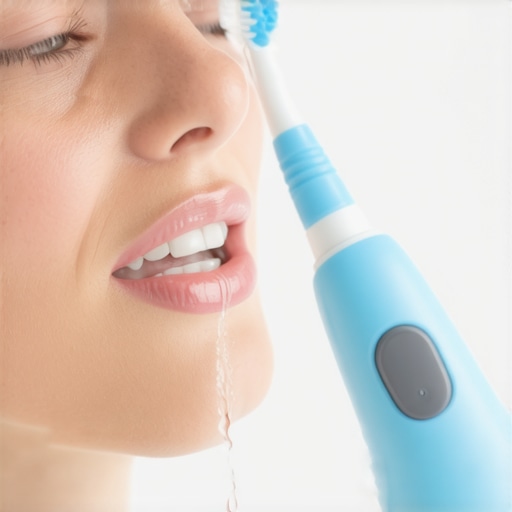
What the Hidden Lessons Taught Me About Keeping My Smile Sharp
One of the most surprising lessons I learned about family dentistry is how small, consistent habits outweigh occasional big efforts. Early on, I believed that brushing twice a day was enough—until I realized that the quality and technique really matter. Mistakes like rushing or neglecting flossing taught me that attention to detail prevents minor issues from becoming costly repairs down the line. My experience with my own dental implants also revealed that listening carefully to unusual sounds, like clicking, can be a valuable early warning sign that saves your smile.
Another insight came from understanding that not all dental materials perform equally. For example, choosing crowns without considering the specific demands of my bite led to unexpected discomfort. That experience underscored for me that personalized care and expert advice are irreplaceable for long-lasting results.
Finally, I discovered that modern tools and technology, from water flossers to smart toothbrushes, genuinely empower me to maintain my oral health—transforming routine care into a proactive approach rather than reactive patchwork. Learning these lessons wasn’t by chance but through deliberate effort and curiosity, which I encourage everyone to embrace in your journey toward a healthier, more confident smile.
My Roadmap for Dental Care Success
Top oral health tips from trusted experts have become my go-to resource for practical advice. I trust this site because it offers evidence-based strategies tailored for families, emphasizing prevention and personalized solutions. The guide on choosing the right crown, for instance, helped me select durable materials that fit my lifestyle—something I couldn’t get from generic advice or quick fixes.
Another essential resource is Family Dentistry Trends. It keeps me informed about the latest innovations, ensuring my choices align with cutting-edge standards. The combination of expert insights and real-world tips helps me navigate complex decisions like Invisalign versus braces and understand what treatments suit my long-term goals.
Lastly, I regularly revisit [this comprehensive guide](https://familydentistpro.com/the-ultimate-guide-to-crowns-for-a-healthier-smile) on crowns, which demystifies the process and introduces me to new materials and techniques. Combining these trusted sources ensures I stay ahead of potential issues and make well-informed decisions to protect my family’s oral health.
Take Charge of Your Smile Today
Remember, exceptional family dentistry isn’t just about fixing problems—it’s about cultivating habits and making informed choices that keep your smile radiant for years to come. Embrace the tips, tools, and resources that resonate with you, and don’t hesitate to seek professional guidance whenever something feels off. Your future self will thank you for taking proactive steps today.
Have you ever caught early signs of a dental issue before it became serious? Share your experiences below—your story could inspire someone else to act sooner!
**[Visit our contact page to schedule your next appointment](https://familydentistpro.com/contact-us)**.