
The hidden sugars in ‘healthy’ snacks that ruin enamel
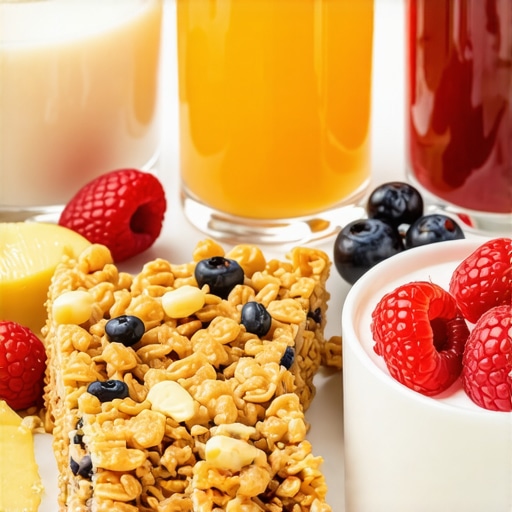
I still remember the moment I realized my favorite health snacks were secretly sabotaging my smile. I was munching on what I thought was a guilt-free handful of trail mix, only to notice my teeth feeling unexpectedly sensitive the next day. That lightbulb moment made me question everything I thought I knew about “healthy” eating and oral health. Turns out, many of the snacks marketed as good for us are packed with sneaky sugars that can erode enamel over time.
Why We Can’t Just Trust The Labels Anymore
If you’ve ever felt confused staring at snack packaging crowded with claims like “low sugar,” “gluten-free,” or “all-natural,” you’re not alone. The truth is, even snacks labeled as “healthy” can harbor hidden sugars—sometimes in disguise as natural sweeteners or added flavors—that dangerously compromise our teeth. I used to believe that snacking was harmless as long as I picked the “right” options. But early on, I made a costly mistake: assuming that all “healthy” snacks are safe for my smile.
This misconception cost me in more ways than one—between recurring sensitivity, the need for crowns, and a nagging worry about long-term damage. Did you know that sugars, even in small amounts, feed harmful bacteria in your mouth and promote acid production? This acid erodes enamel, leading to cavities and, eventually, the need for restorative procedures like crowns. For a closer look at crowns and how they can protect your teeth, check out this detailed guide.
Is Snacking Healthy Actually Worth the Risk?
One of the biggest mistakes I made early on was ignoring the sugar content hidden in seemingly innocuous snacks. I’d reach for dried fruits, yogurt-covered nuts, or even granola bars, thinking they were “natually” good. It wasn’t until my dentist pointed out the extent of enamel erosion that I realized the extent of my oversight. The key is being mindful of the real sugar content and how it can silently ruin your dental health over time.
Studies show that frequent exposure to sugary foods—even “healthy” ones—significantly raises the risk of cavities and enamel erosion. According to the American Osteopathic Association, reducing hidden sugars in your diet is crucial for preserving your smile. But how do you spot these sneaky ingredients? That’s what we’ll explore next. If you’ve ever faced the frustration of realizing your snack choices backfire, you’re in good company. Keep reading, because understanding these hidden dangers can save your smile and your pocket from costly dental work later on.
Read Nutritional Labels Carefully
Start by scrutinizing ingredient lists of snacks; look for hidden sugars like high-fructose corn syrup, sucrose, or dextrose. Use a fine-tooth comb to identify these hidden culprits, especially in products labeled as “healthy”. I remember once flipping a granola bar wrapper, noticing it contained added cane syrup, even though the packaging claimed “sugar-free”. This experience pushed me to become a label detective each time I shop, drastically reducing my sugar intake and protecting my teeth.
Choose Whole, Unprocessed Foods
Opt for fresh fruits, vegetables, nuts, and seeds over packaged snacks. Whole foods contain natural sugars that are less sticky and less likely to cling to teeth. I started integrating more crunchy apples and raw carrots into my diet, which helped clean my teeth naturally and kept me full longer. Think of these as nature’s toothbrushes—helping to scrape away plaque and sugar residues without added chemicals.
Limit Snack Frequency and Timing
Reduce the number of times you snack daily, and avoid grazing throughout the day. When I used to snack repeatedly, my dentist explained that constant sugar exposure floods my mouth with acid, eroding enamel. Instead, I now have designated snack times, followed by water rinses, which wash away residual sugars and neutralize acids. Remember, saliva production during meals also helps buffer acids; drinking water after snacking maximizes this benefit.
Use Technology to Your Advantage
Employ smartphone apps or browser extensions that flag foods high in added sugars. These tools help you make instant informed choices. I tested one such app, which alerted me whenever I scanned product barcodes, leading to smarter selections. Incorporating this tech into your routine turns shopping from an impulse experience into an educational one, keeping hidden sugars at bay.
Educate Yourself on Natural Sweeteners
Learn about alternatives like stevia or monk fruit that can replace processed sugars in recipes. Using natural sweeteners in homemade snacks minimizes dental risks without sacrificing flavor. I experimented with baking muffins sweetened with stevia, which received rave reviews from family. This way, you enjoy sweet treats while keeping your smile safe from sugar’s sneaky attack.
Seek Professional Advice
Consult your dentist about personalized strategies for reducing sugar exposure and maintaining oral health. They might recommend specific products, like fluoride rinses, or check for early signs of enamel erosion. During my last visit, my dentist emphasized the importance of routine check-ups to catch hidden damage early, ultimately saving my teeth from extensive restorations like crowns. For advanced restorative options, visit this guide.
While many believe that dental crowns are just simple restorations and that Invisalign is only for teenagers, the truth is far more nuanced. A common misconception is that crowns are solely used for aesthetic purposes, but in reality, they play a crucial role in restoring function, strengthening compromised teeth, and preventing further damage. Understanding the distinctions between different types of crowns—like porcelain-fused-to-metal versus all-ceramic—can significantly impact your long-term oral health. For example, choosing the right crown based on your unique bite and aesthetics can prevent issues like gum irritation or improper fit, which are often overlooked in generic advice.
Furthermore, some assume that family dentistry only involves routine cleanings and checkups, but in practice, it encompasses a range of preventive and restorative procedures tailored to every age. For children, early orthodontic evaluations can prevent complex issues later, making interceptive care essential. Advanced techniques like digital X-rays and intraoral scanning are now standard, providing more accurate diagnoses and personalized treatment plans.
When it comes to Invisalign, many believe it’s suitable for minor corrections only. However, experienced practitioners successfully treat complex cases involving significant misalignment or bite issues with clear aligners, especially when combined with other orthodontic methods. The precision of modern digital planning allows for predictable outcomes, reducing treatment time and discomfort. If you’re skeptical about whether Invisalign can handle your unique case, I recommend consulting an expert who specializes in this technology.
A critical mistake some make is trusting surface-level information online without understanding the intricacies involved. For instance, selecting a crown material without considering your bite forces or aesthetic goals can lead to premature wear or discoloration. Similarly, overlooking the importance of comprehensive dental assessments in family practices may result in missing early signs of decay or misalignment.
**How do you ensure that your dental choices are truly suited to your needs?** Advancing your knowledge by discussing options with your dentist and exploring detailed guides like this one on [crowns](https://familydentistpro.com/the-ultimate-guide-to-crowns-for-a-healthier-smile) can make a world of difference. Remember, a well-informed patient is better equipped to avoid costly mistakes and achieve lasting oral health.
Have you ever fallen into this trap? Let me know in the comments. For personalized advice or to schedule a comprehensive evaluation, [contact us](https://familydentistpro.com/contact-us) today.
Keeping your dental restorations and orthodontic devices in top shape requires not just the right professional care but also the use of effective tools and techniques at home. As someone who values long-term results and strives for proactive maintenance, I’ve found specific equipment and software that truly make a difference in my daily oral health routine.
Invest in a High-Quality Electric Toothbrush
Personally, I rely on the Oral-B iO series, which combines oscillating-rotating motion with gentle pulsations. This toothbrush’s superior plaque removal capability helps preserve restorations like crowns and seamlessly complements orthodontic treatments such as Invisalign. The integrated pressure sensors prevent over-brushing, an essential feature for anyone with sensitive restorations or recent procedures. Using a reliable toothbrush like this extends the lifespan of dental work and maintains healthy gums, reducing future complications.
Utilize Advanced Flossing Devices
Traditional floss can be cumbersome, especially around implants and bridges. I recommend the Waterpik Ultra Water Flosser because it delivers pulsating streams that effectively clean hard-to-reach areas. For example, if you have a crown or a fitted veneer, regular water flossing helps prevent plaque buildup beneath the margins, ultimately prolonging the restoration’s integrity. Moreover, the gentle water pressure minimizes gum irritation, ensuring consistent daily use.
Incorporate Digital Monitoring and Reminders
Modern oral health often benefits from smart technology. I use the Philips Sonicare App connected with my electric toothbrush, which tracks brushing patterns and provides personalized feedback. This tool helps identify areas I might overlook, like the back molars where decay can hide unnoticed, especially in patients with crowns or Invisalign. Regular monitoring allows for early detection of issues, reinforcing the importance of professional check-ups for long-term success.
Embrace Professional-Grade Whitening Kits
For maintaining the brightness of crowns or veneers, I recommend trusted whitening products like professional whitening kits. Using custom-fitted trays with your dentist’s recommended gel ensures even, safe, and effective results. Consistent use keeps restorations looking natural and bright, preventing discoloration that can draw unwanted attention. Just be cautious; overuse might lead to sensitivity, so always consult your dentist before starting whitening routines.
Predicting the Future of Dental Maintenance
Looking ahead, I believe that innovations like AI-powered oral health apps and smarter, more durable materials will revolutionize long-term care. For instance, upcoming developments in biocompatible, stain-resistant ceramics are promising for crowns, which could drastically reduce maintenance needs. Embracing technologies like digital monitoring will soon become standard, allowing us to catch issues before they develop into costly repairs. Staying ahead with these tools can ensure your smile remains healthy and beautiful for years to come.
How do I maintain my restorations over time?
Regularly using a high-quality toothbrush, combining water flossing, and leveraging digital health tools are vital steps. Schedule routine check-ups with your dentist, who might advise additional protective measures like fluoride treatments or specialized rinses. For comprehensive guidance tailored to your needs, consult professionals who understand restorative dentistry’s nuances—like those at this resource. Taking these proactive steps not only prolongs the life of your dental work but also sustains your overall oral health.
And here’s a tip you can try today: incorporate a water flosser into your routine to reach those hard spots around crowns and Invisalign attachments. It’s an easy, yet highly effective way to protect your investment and maintain that confident smile.
The Hardest Lesson I Learned About Crowns, Family Dentistry, and Oral Health
One of my most eye-opening realizations was that even seemingly minor dental issues can have a profound long-term impact. Ignoring early signs of enamel erosion or misaligned teeth can lead to extensive restorative work later, like crowns that might have been avoided with timely intervention. This taught me the value of proactive care and building a trusted relationship with a family dentist who understands my unique needs.
3 Myths About Crowns and Family Dentistry That Held Me Back
I used to believe that crowns were purely cosmetic, reserved for showy restorations, and that family dentistry was just routine cleanings. Dispelling these myths revealed how crowns are essential in restoring function and preventing further damage, while comprehensive family care includes preventive strategies tailored for all ages. Learning these truths made me more confident in seeking specialized treatments that truly benefit my oral health.
What Experts Won’t Tell You About Invisalign and Maintaining Your Smile
Many assume Invisalign is only for minor cases or quick fixes, but I discovered that with the right professional guidance, it can handle complex alignments and even help preserve the integrity of crowns and veneers. The connection between orthodontic solutions and overall oral health is deeper than I thought, emphasizing the importance of consulting experienced practitioners who use advanced digital planning. This insight motivates me to explore personal options beyond traditional braces for optimal results.