
Why your dental implant is visible through your gums
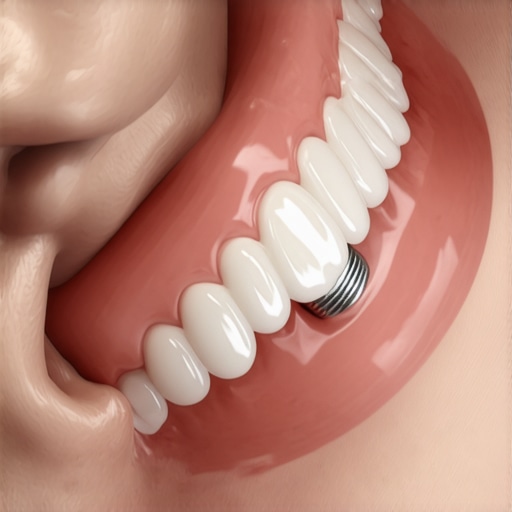
Remember the moment I first noticed it—my gum was swollen, and I could see the edge of my dental implant peeking through like an unwanted spotlight. It was unsettling, almost embarrassing, especially since I thought I had chosen a long-lasting, natural-looking solution. That lightbulb moment made me realize I wasn’t alone in this experience, and I immediately started digging into why this happens.
Why Your Dental Implant Might Be Showing Through Your Gums and How to Fix It
Is Your Smile Worth a Secret or a Cause for Concern?
Early on, I made the mistake of ignoring minor discomfort and assuming everything would settle on its own. Turns out, that was a mistake. I learned that when an implant becomes visible through the gums, it can be due to several factors—gum recession, bone loss, or issues with the implant itself. Not recognizing these early signs can lead to more serious problems, including infections or implant failure. Thankfully, with the right knowledge and professional guidance, resolving these issues is doable.
If you’re feeling the same frustration or concern, you’re not alone. Many people face this challenge, but understanding the causes can empower you to take proper action and maintain a beautiful, healthy smile.
Assess the Situation and Identify Underlying Causes
Start with a thorough examination of your gums and implant site.
Recall the time I noticed my implant was visible; I immediately scheduled an appointment with my dentist. Before that, I carefully observed if there was swelling, redness, or recession. Determining whether gum recession, bone loss, or implant positioning is responsible is crucial. Use a mirror or even take photos to document changes over time. Understanding these signs helps tailor your approach, and consulting professionals can confirm the cause. For example, missing bone around the implant might require bone grafting, similar to reinforcing a fence post before attaching a new board.
Improve Your Oral Hygiene Routine Effectively
Implement targeted brushing and flossing to prevent further recession.
I remember struggling with flossing around a bridge, feeling like I was about to dislodge it. By using specialized tools like floss threaders or interdental brushes, I gained better control. Regular cleaning reduces plaque buildup that accelerates gum recession. Instead of generic brushing, focus on gentle, circular motions with a soft-bristled toothbrush. Incorporating antimicrobial mouthwash can also reduce bacteria that may inflame gums. Check out these tips on flossing with bridges for more. Remember, consistent care prevents minor issues from escalating, much like watering a plant regularly ensures healthy growth.
Seek Professional Assessment and Treatment
Schedule an evaluation with a qualified dentist or periodontist.
During my visit, the specialist used a periodontal probe to measure gum depth and examined radiographs to assess bone levels. Treatments may include scaling and root planing to remove tartar, grafting procedures to rebuild lost tissue, or adjusting the implant position if necessary. Think of this step as calling in a mechanic when your car shows signs of trouble; expert intervention can diagnose issues that aren’t visible to the naked eye. Don’t delay seeking professional advice—early intervention often leads to simpler, more effective solutions. For broader insights, you might explore how crowns can restore smile aesthetics and function after addressing the underlying causes.
Consider Cosmetic and Restorative Options
Exploring treatments like crowns, veneers, or soft tissue grafts can improve appearance.
After stabilizing the gum tissue, if the implant still shows—especially if it’s a cosmetic concern—restorative options come into play. I’ve personally opted for a porcelain veneer on a neighboring tooth, which made a significant difference in my confidence. In some cases, placing a crown over the implant can conceal the visible metal or unnatural appearance. This process is akin to framing a picture—enhancing how it looks without changing the core image. Consulting with an experienced dentist will determine the best approach tailored to your needs. Learn more about crowns and their role in restorative dentistry. Proper implementation ensures your smile remains both functional and beautiful.
Many assume that Invisalign is just a cosmetic shortcut and that family dentistry only addresses basic cleaning, but in reality, these perspectives overlook critical nuances. For instance, a common myth is that Invisalign is suitable for every misalignment; however, complex cases may require traditional braces or surgical options, making consultation with a specialist essential.
Are there advanced pitfalls that even seasoned patients overlook?
One significant mistake is underestimating the importance of proper attachment placement in Invisalign treatment, which can lead to prolonged treatment times or suboptimal results. According to a study published in the Journal of Clinical Orthodontics, precise attachment positioning is crucial for predictable tooth movement (source: [invisalign-myths-debunked-what-you-need-to-know-today](https://familydentistpro.com/invisalign-myths-debunked-what-you-need-to-know-today)). Similarly, many believe that once they receive a crown, little maintenance is needed; but, neglecting oral hygiene around crowns can lead to decay at the margin or even crown failure. An advanced mistake here is ignoring the significance of choosing the right type of crown—porcelain, metal, or zirconia—for longevity and aesthetics. Family dentists who stay updated on new materials and techniques can better advise patients on options that combine durability with natural appearance. Furthermore, the misconception that family dentistry lacks specialization fails to account for the nuanced skills many general practitioners now possess, including sedation dentistry or advanced restorative procedures. Staying informed about the latest trends, such as minimally invasive treatments and digital impressions, can drastically improve patient outcomes.
So, what hidden nuances could improve your dental experience? Recognizing that each treatment plan requires customization beyond generic advice is vital. For instance, understanding the critical role of occlusion in crowns ensures they function properly without causing undue wear or discomfort. Additionally, integrating comprehensive oral health strategies—like fluoride application, dietary counseling, and regularly scheduled check-ups—provides a holistic approach that many overlook. Engaging with professionals who are well-versed in the latest research and technology is essential for long-term success. Remember, avoiding these advanced pitfalls can save you time, money, and discomfort in the future. Have you ever fallen into this trap? Let me know in the comments.
Maintaining your dental work isn’t just about regular visits; it’s about arming yourself with the right tools and knowledge to ensure long-lasting results. Over the years, I’ve refined my approach to oral health by selecting equipment and methods that genuinely make a difference. From high-quality toothbrushes to specialized flossing aids, each tool plays a crucial role in preserving crowns, implants, and alignment achieved through Invisalign.
Why I Trust an Ultrasonic Toothbrush to Protect My Investment
My go-to device is the Philips Sonicare DiamondClean. Its sonic technology delivers over 30,000 brush strokes per minute, effectively removing plaque without damaging sensitive areas such as crowns or soft tissue. The gentle yet thorough cleaning helps prevent the buildup of tartar around restorations, which can cause failure or aesthetic issues. I’ve found that weekly replacement of the brush heads, following manufacturer recommendations, is essential to retain optimal cleaning power and avoid bacterial buildup.
Enhanced Flossing with Advanced Interdental Tools
Standard floss can be insufficient around bridged teeth or dental implants. That’s why I prefer using the Waterpik Sonic-Fusion, which combines brushing and water flossing in one device. Its precision tip targets hard-to-reach spaces, reducing inflammation and preventing gum recession that could expose more of my restorations. Regular use of such tools has helped me avoid complications that often come with neglecting interdental cleaning, aligning with advice from family dentistry experts.
Digital Monitoring to Track Changes Over Time
In addition to physical tools, I leverage dental apps like Dental Monitoring, which sync with my smartphone to provide updates and reminders. These platforms use high-resolution images to detect early signs of issues like marginal gaps or recession—problems that could compromise crowns or implants if left unaddressed. Regular virtual check-ins with your dentist allow for timely interventions, saving you from costly repairs or replacements. Experts predict that the integration of AI-driven diagnostics will continue to improve, making at-home monitoring more reliable and accessible.
Planning for Long-Term Success and Scalability
As your oral health needs evolve, so should your toolkit. Upgrading to electric toothbrushes with customizable modes catering to sensitive areas or sharpening your flossing routine with water flossers ensures your maintenance remains effective. Maintaining a consistent schedule and leveraging technology for early detection can prolong the lifespan of crowns and implants, much like regular tune-ups extend the life of a car. To stay ahead, consult ongoing resources like this comprehensive overview of crowns.
Where Are Dental Tools Headed in the Future?
The advent of smart dental devices and AI-powered apps suggests a future where personalized, real-time monitoring is standard. Wearables could soon detect occlusion issues or early decay without frequent visits, making maintenance more proactive. Keeping informed about these innovations and integrating them into your routine can dramatically improve long-term outcomes.
Don’t wait for problems to arise—try incorporating an ultrasonic toothbrush like the Philips Sonicare DiamondClean into your daily routine. Its proven effectiveness in maintaining crowns and implants makes it a worthwhile investment in your oral health journey. For more tips on optimizing your dental maintenance, explore top oral health tips and stay ahead of potential issues.
Three Surprising Truths I Wish I Knew About Smile Transformations
- Patience Is Your Best Ally: Achieving a perfect smile with Invisalign or crowns isn’t instant; embracing the gradual process was a game-changer in setting realistic expectations and staying motivated.
- Small Details Make Big Differences: Proper tool selection, from ultrasonic toothbrushes to interdental brushes, significantly prolonged the life of my restorations and enhanced comfort—details I underestimated at first.
- Consistent Care Is Magic: Daily habits like gentle brushing and regular flossing, combined with virtual monitoring, created a proactive shield that prevented future issues more effectively than occasional visits alone.
Tools and Resources That Elevated My Confidence
- Top oral health tips: This resource helped me refine my daily routine, making maintenance simpler and more effective.
- Guide to crowns: Understanding different crown materials and placement techniques empowered me to choose options that balanced aesthetics and durability.
- Restorative breakthroughs: Learning about innovative procedures boosted my confidence in achieving long-lasting results.
- Invisalign vs. braces: Comparing these options helped me select the aligned treatment suited to my lifestyle and goals.
Your Next Step Toward a Healthier Smile
The journey to a confident, healthy smile involves more than just treatments; it’s about embracing proactive habits and trusting expert guidance. Whether you’re considering Invisalign, crowns, or simply want to maintain your oral health, remember that every small step counts. Don’t wait for issues to become emergencies—start today by reviewing your routine, consulting professionals, and exploring innovative tools. Your radiant smile deserves it, and I believe you can achieve it with patience, knowledge, and a little insider wisdom.
Have you ever faced a surprising challenge with your smile or dental work? Share your experience below—I’d love to hear your story and how you overcame it!