
Why your child’s new teeth are coming in with white spots
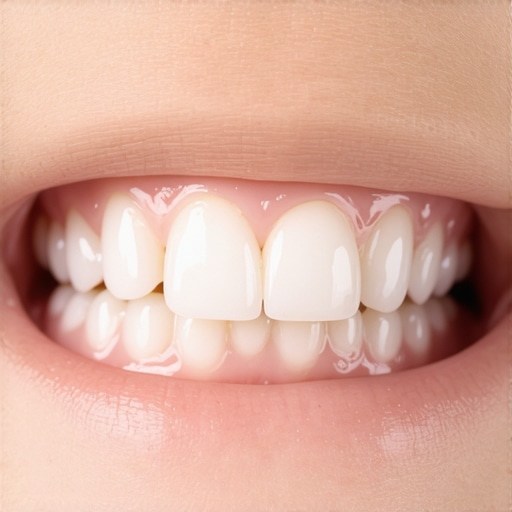
I remember the moment vividly—my child’s mouth was finally filled with those tiny, new adult teeth, and suddenly, I noticed white spots blustering on their surface. My heart sank. Was this normal? Was I overlooking something serious? It was one of those parenting moments where you realize how little you actually know about your child’s oral health. If you’ve found yourself in a similar boat, feeling worried about white spots appearing on your child’s new teeth, you’re not alone. Many parents are surprised to see these marks and wonder if they indicate a problem or if they are just a harmless part of growing up.
Understanding White Spots on Your Child’s Teeth
White spots on newly erupting teeth can be unsettling, but let’s unpack what they actually mean. These spots are often signs of enamel demineralization—a process where minerals are lost from the enamel, making it look white and chalky. While this can be a precursor to cavities if left untreated, in many cases, it’s reversible. The key is early detection and understanding the cause.
Studies indicate that enamel spots are quite common in children who consume frequent sugary snacks or have inconsistent brushing habits. According to the American Academy of Pediatric Dentistry, early-stage white spot lesions can often be reversed through improved oral hygiene and remineralization treatments. It’s a good idea to consult your family dentist promptly to assess whether these spots are just benign or need more specific intervention.
Early on, I made the mistake of ignoring these spots, attributing them to harmless stains. That delay almost led to more extensive dental work later. Recognizing the significance of early action can save you time, money, and your child’s teeth in the long run. Want to learn practical steps to prevent and treat these white spots? Keep reading.
If you’re wondering whether these signs are as minor as they seem or if they could develop into something more severe, consider reaching out to a professional. For a personalized consultation, you can contact trusted family dentists who specialize in pediatric care. Understanding and addressing the root cause now can lay the foundation for healthier, brighter smiles in your child’s future.
Let’s dive into some key strategies that can help you determine the cause of these white spots and what you can do to restore your child’s dental health.
Start With Precision Examination and Documentation
Recall a time I noticed white spots on my child’s teeth during a routine brushing—my first move was to grab my phone and take clear photos. Document the size, color, and location of the spots. This record helps your dentist assess whether these are early decalcification signs or benign stains. Tip: Always capture close-up images for accurate comparisons over time.
Opt for a Professional Dental Consultation Immediately
Schedule an appointment promptly by visiting our contact page. During the visit, the dentist will perform an in-depth examination, possibly including X-rays, to determine the cause. Think of it like diagnosing a car issue—expert insight saves time and prevents escalation. In my case, a quick check confirmed early enamel demineralization, prompting immediate intervention.
Implement a Targeted Oral Hygiene Routine
Enhance your child’s brushing habits by teaching proper technique—gentle but thorough brushing with fluoride toothpaste twice daily. Consider using a soft-bristled toothbrush, much like a soft broom sweeping away the plaque—delicate but effective. Consistency is key; skipping nights diminishes remineralization efforts. I introduced this routine alongside a fun chart, which motivated my child and improved their brushing skills within days.
Introduce Remineralization Products
Use topical fluoride gels or varnishes recommended by your dentist. Think of fluoride as a shield that rebuilds the enamel, similar to repairing a cracked wall before it crumbles further. Applying these products as advised helps to remineralize early white spots. I once applied a fluoride varnish during a dental visit, and observed the spots becoming less noticeable after a few weeks.
Adjust Dietary Habits Significantly
Reduce sugary snacks and beverages—think of it as cutting off the supply line to bacteria that produce acids harming enamel. Encourage water and crunchy vegetables that naturally clean teeth, comparable to using a scrub brush. My family swapped soda for flavored water with fruit slices; the white spots started to fade, and overall oral health improved.
Incorporate Sealants or Protective Coatings
Ask your dentist about sealants—thin protective layers applied to molars to prevent decay. Imagine coating a wooden table with varnish; it shields against moisture and stains. Sealants can halt the progression of decalcification and provide a smoother surface, reducing plaque buildup. I opted for sealants on my child’s molars, which proved highly effective in preventing further white spot development.
Regular Monitoring and Follow-Up
Keep track of changes by taking periodic photos and noting any new spots. This is like monitoring growth—valuable for adjusting your approach. Schedule follow-up visits every 3-6 months, as recommended. When I revisited the dentist after a three-month interval, the white spots had visibly diminished, confirming the effectiveness of our new routine.
Many assume that family dentistry is just about routine cleanings and basic checkups, but in reality, there’s a lot of nuance that even seasoned patients overlook. One common misconception is that all dental restorations are temporary or that crowns are purely cosmetic; however, crowns play a crucial role in restoring functionality and preventing further damage. Advanced techniques like digital impressions and selective shade matching are often misunderstood as unnecessary luxuries, yet they significantly enhance long-term results.
Can Invisalign truly align teeth faster and more comfortably than traditional braces? The answer may surprise you.
Many believe that Invisalign is just a cosmetic alternative, but recent studies, such as the one published in the Journal of Orthodontics, indicate that when properly indicated, aligners can offer comparable results with fewer visits and less discomfort. Still, improper use or underestimating maintenance can lead to setbacks. A common trap is thinking that Invisalign trays clear up on their own, which isn’t the case—regular cleaning and proper wearing are essential to avoid staining or decalcification. This nuance highlights how the success of any orthodontic treatment hinges on patient compliance, not just the technology itself. Also, many people oversimplify oral health; they focus solely on brushing and neglect the importance of flossing, mouthguards, and diet. For instance, frequent consumption of acidic or sugary food can undermine the benefits of a perfect brushing routine. As experts suggest, comprehensive oral health involves multiple facets working together, including regular professional evaluations. Overlooking these complexities can lead to preventable issues, from cavities to gum disease. Don’t fall into the trap of thinking a quick fix now means long-lasting health; understanding these subtleties allows you to make informed decisions. To truly optimize your family’s dental care, consider consulting trusted professionals and staying updated with the latest advancements, like new family dentistry trends that prioritize minimally invasive procedures and personalized plans. Have you ever fallen into this trap? Let me know in the comments.To truly maintain your family’s oral health and ensure long-lasting results with treatments like crowns and Invisalign, investing in the right tools and establishing effective routines is crucial. One of my top recommendations is the use of an electric toothbrush equipped with a pressure sensor. Unlike manual brushes, these devices provide real-time feedback, preventing overbrushing that can damage gum tissue or wear down restorations. I personally rely on the Philips Sonicare ProtectiveClean, which not only delivers superior plaque removal but also tracks your brushing habits via its smartphone app, helping my family stay consistent and informed.
Another invaluable tool is a water flosser. Flossing between teeth is essential, especially with orthodontic appliances or crowns that create tricky nooks. The Waterpik Aquarius offers adjustable water pressure and specialized tips for different needs, making daily flossing more effective and less painful. I’ve found that integrating this into my routines significantly reduces plaque buildup and keeps restorations like crowns in good shape.
On the digital side, software like
Looking ahead, advancements in AI-powered imaging and 3D printing are set to revolutionize routine dental maintenance. For example, intraoral scanners now allow dentists to monitor enamel wear or decay progression accurately over time, enabling proactive interventions before significant damage occurs. As the Journal of Dental Research notes, integrating AI diagnostics enhances precision and reduces treatment failures.
How do I maintain oral health over time? Consistency is key. Regularly updating your toothbrush head, maintaining a daily flossing routine with devices like water flossers, and scheduling routine checkups are the pillars of long-term success.
Don’t forget: exploring these tools and making small adjustments can lead to big benefits in preserving your child’s developing smile or your own restorations. Try incorporating a water flosser into your nightly routine—it’s a game-changer for plaque control and overall gum health. For tailored advice on the best tools for your family’s needs, consider reaching out to a trusted professional through this contact page. Remember, proactive maintenance now paves the way for healthier smiles in the future.
3 Lessons I Didn’t Expect to Learn About Family Dentistry and Oral Health
First, I realized that early white spots can be reversible if caught in time—that proactive approach makes a world of difference. Second, consistent routines with tools like water flossers and electric toothbrushes significantly reduce long-term issues, turning dental care into a daily ritual rather than a chore. Third, trust in your dentist is vital; their personalized guidance not only saves you money but also keeps your family’s smiles shining brighter for years. These lightbulb moments transformed how I view oral health — it’s less about quick fixes and more about lifelong habits.
My Favorite Resources to Keep Family Smiles Bright
I’m a huge fan of family dentistry trends that emphasize minimally invasive treatments and personalized care, ensuring I stay ahead in maintaining my family’s oral health. The books I turn to include comprehensive guides on crowns that demystify restorative options, helping me make informed decisions. Additionally, trusted websites like Invisalign myths debunked keep me updated on aligner treatments, removing unnecessary fears. These resources keep me grounded in reliable, expert advice for every dental need.
Bright Smiles Start Now — Here’s Your Nudge
The journey to stronger, healthier smiles is ongoing. Embrace the small daily steps—like proper brushing, flossing, and regular dental visits—and watch your family’s oral health flourish. Remember, every smile tells a story; make yours one of confidence and care. Don’t wait for problems to surface—act today and enjoy the bright, healthy smiles that await you. Your family deserves nothing less.