I vividly remember the moment I looked in the mirror after my wisdom tooth extraction and saw my swollen face staring back at me. It was like I had auditioned for a mutant movie role—red, puffy, and in pain. The worst part? I thought I knew how to take care of my mouth, but I quickly learned that common sense isn’t always enough when it comes to healing properly. That lightbulb moment hit hard: if I didn’t get it right, I could prolong my discomfort or even cause complications.
Why Proper Post-Extraction Care Is a Game Changer
Many people underestimate just how vital post-operative care is after wisdom tooth removal. I learned the hard way that skipping certain routines or making a few beginner mistakes can lead to dry sockets, infections, or slow healing. And trust me, nobody wants to endure unnecessary pain or spend more time off work or school because of avoidable issues. According to the American Dental Association, proper care can significantly reduce complications and improve healing times (source).
Is It Really Worth All the Effort?
Initially, I thought, “How hard can it be? Just avoid crunchy foods and rinse a bit, right?” You see, I made the mistake of ignoring detailed aftercare instructions early on, assuming they were just a lot of unnecessary fuss. Spoiler alert: ignoring good advice can turn simple healing into a painful saga. That rough phase taught me that investing a little extra effort now saves a lot of pain later. Curious about how to nail your aftercare and avoid common pitfalls? Stay tuned, because I’ll share everything I wish I knew right from the start—no fluff, just real tips from my experience.
Having gone through this myself, I know many are skeptical. “Is it really that critical?” some ask. Absolutely. Proper care isn’t just about comfort; it’s about preventing serious issues that could affect your dental health long-term. Thinking of getting your wisdom teeth removed soon? Or maybe you’re already in the recovery phase and wondering if you’re on the right track? Either way, I’ve got your back. Let’s dive into the essential steps to make your healing process smoother and quicker.
Before we get into the nitty-gritty, consider this: I once tried to cut corners, thinking I could skip a few rinse sessions. The pain that followed was my wake-up call. It’s easy to dismiss early advice, but every small detail plays a role in your recovery. So, if you’ve faced this challenge, or fear that you might, you’re not alone—and more importantly, you don’t have to suffer unnecessarily.
Ready to find out what really works? Let’s get started with the do’s and don’ts that’ll help you heal smarter, not harder.
**
,
Keep Your Mouth Clean with Gentle Rinses
Immediately after surgery, I found that rinsing gently with warm salt water helped reduce bacteria and soothe my gums. Mix half a teaspoon of salt in eight ounces of warm water, and rinse softly—avoid vigorous swishing to prevent dislodging clots. I did this three times daily, especially after eating, to foster a clean healing environment. This simple step is crucial in preventing infections and dry sockets, which can be a real setback during recovery.
Choose Soft Foods and Small Bites
In my experience, sticking to soft, cool foods like yogurt, mashed potatoes, and applesauce minimized discomfort. Cutting food into tiny, manageable pieces made chewing less painful. Think of your mouth as a fragile construction site; heavy or crunchy foods are like heavy machinery—better to hold off until complete healing. This approach ensured I avoided opening the wound unnecessarily, which could have caused bleeding or delayed healing.
Avoid Straws and Spicy Foods
Using a straw creates suction that can disturb the blood clot, leading to dry sockets. I made a habit of sipping smoothies directly from a spoon instead. Spicy or acidic foods irritated my gums and slowed recovery. Remember, your mouth is a delicate garden right now—gentle watering, not harsh spraying, helps plants thrive. Steering clear of these irritants reduced inflammation and discomfort.
Implement Precise Oral Hygiene
Brushing was tricky, but I focused on cleaning my teeth gently around the extraction site. I avoided direct contact with the wound and used a soft-bristled brush. I also used a syringe (without the needle) to rinse away debris after meals—aiming water gently onto the site, not scrubbing. Maintaining hygiene prevents bacteria buildup, which can cause infections and slow healing. If you’re unsure about technique, seeking advice from your dentist can save you a lot of trouble.
Manage Swelling and Discomfort Ruthlessly
Applying a cold compress on my face in 15-minute intervals reduced swelling significantly. I wrapped ice in a cloth—never apply ice directly to skin—to avoid frostbite. Sitting upright rather than lying down prevented fluid accumulation, further reducing swelling. If pain becomes intense, over-the-counter medications like ibuprofen are effective. Remember, controlling swelling isn’t just about comfort—it’s about preventing complications that can extend recovery.
Stay on Top of Follow-Up Care
Scheduling follow-up visits with my dentist ensured my healing was progressing normally. I kept note of any unusual symptoms, like persistent bleeding or increasing pain, and communicated these promptly. Think of your recovery as a construction project—regular inspections catch issues early. This approach has helped me stay proactive and avoid long-term problems like infections or improperly healed sockets.
Monitor Your Healing Progress
I kept a daily log of pain levels, swelling, and any unusual sensations. If I noticed the pain worsening or the swelling increasing after a few days, I sought professional advice. Watching for signs like persistent bleeding or exposed bone is vital; these indicate that medical attention is needed to prevent complications. Your body is your best indicator—trust it, but also check in with your dentist for an expert opinion.
Applying these targeted actions during recovery made a noticeable difference in my comfort and healing speed. These steps are easy to implement and significantly reduce the risk of setbacks. For additional guidance tailored to your situation, consider visiting your trusted family dentist or exploring trusted resources on [family dentistry trends](https://familydentistpro.com/family-dentistry-trends-improving-oral-health-for-all-ages). Remember, attentive care today keeps pain and complications at bay tomorrow.
When it comes to maintaining optimal oral health, many of us are influenced by misconceptions that can hinder recovery and long-term well-being. A prevalent myth is that all dental restorations, like crowns, are purely cosmetic; in reality, advancements have made them integral to preventing further decay and structural damage. For instance, modern crowns serve not just to restore function but also to reinforce compromised teeth, a detail often overlooked by those thinking they’re solely aesthetic. To learn more about how crowns can stabilize your smile, check out the comprehensive guide on [crowns in restorative dentistry](https://familydentistpro.com/why-crowns-are-a-game-changer-in-restorative-dentistry).
Invest in Quality Tools for Lasting Results
Keeping your smile healthy over the years requires more than just good intentions; it demands the right tools. Personally, I swear by a high-quality electric toothbrush like the Sonicare DiamondClean, which offers superior plaque removal and ensures you reach every nook and cranny—something that manual brushes often miss. Its timers and pressure sensors remind me to brush with the right speed and intensity, avoiding damage to delicate gums. For those with crowns or dental work, a water flosser like the Waterpik Ultra is a game-changer, effortlessly cleaning hard-to-reach areas and preventing plaque buildup around restorations. This tool is especially effective if you’ve experienced issues with traditional floss getting stuck or failing to clean beneath crowns.
Beyond manual tools, digital software such as the Weave platform integrates appointment reminders, symptom tracking, and educational resources, empowering me to stay proactive about my family’s oral health. Regular check-ins through these platforms prompt timely visits, like seeing the family dentistry practices that focus on early detection of potential issues, preventing small problems from escalating into costly procedures. As the trend in dentistry evolves, we’re moving toward smarter tools that combine device data with professional insights—making maintenance more personalized and efficient.
How do I maintain Invisalign, crowns, and family dentistry results over time?
Long-term success with orthodontic appliances like Invisalign demands disciplined wear and cleaning routines—using cleaning crystals like Invisalign cleaning tablets, which I recommend as they break down biofilm effectively without damaging the trays. For crowns, maintaining excellent oral hygiene by avoiding hard or sticky foods can prevent damage or microfractures; but more importantly, regular examination visits ensure any early signs of wear or decay are addressed. When it comes to family dentistry, establishing consistent home-care habits, coupled with scheduled professional cleanings, boosts overall oral health resilience, even as children’s teeth develop.
Incorporating advanced tools and routines into your daily dental maintenance can significantly extend the lifespan of your restorations and orthodontic devices. Start by trying the compact, high-frequency brush heads from Philips Sonicare—they are clinically proven to reduce plaque more than standard brushes (source). Use a water flosser daily, especially around crowns and implants, to keep bacteria at bay. Don’t forget to log your oral health progress with apps that remind you of tasks and track any symptoms—making maintenance an active rather than passive effort.
Adopting these smarter, more precise tools will help you prevent issues before they arise, saving time, money, and discomfort. For an in-depth look at selecting expert-approved crowns, check out this comprehensive guide. Remember: consistent, informed care is the secret to a resilient, beautiful smile that endures for decades.
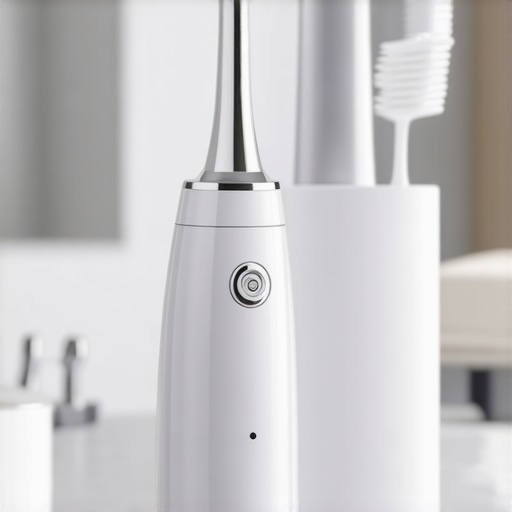
Picture a sleek, compact water flosser with adjustable pressure settings, ready to keep your restorations spotless—this is the kind of equipment I rely on daily to maintain my dental health.
What I Wish I Knew About Healing Faster
One of the biggest lessons I learned is that patience and consistency outperform shortcuts. Rushing through aftercare can set back your healing process by days or even weeks. The truth is, small daily habits—like gentle rinsing and avoiding certain foods—compound over time to make a substantial difference in your recovery.
Trusting expert advice saved me from unnecessary pain and complications. I’ve realized that DIY solutions or ignoring early warning signs might seem easier, but they often lead to costly setbacks. Being proactive and informed transformed my healing experience, and it can do the same for you.
Tools and Resources That Elevated My Recovery Game
Using a high-quality water flosser kept my mouth exceptionally clean, especially around the surgical site. I swear by the Philips Sonicare ProtectiveClean toothbrush, which gently removed plaque without irritating my gums. For quick pain relief, I relied on cold packs and recommended over-the-counter anti-inflammatory meds, always following my dentist’s advice.
Additionally, staying connected with my dental team through trusted platforms ensured any concerns were addressed promptly. If you’re serious about maintaining optimal oral health after procedures like wisdom tooth removal, exploring these tools and resources on restorative dentistry and staying informed can make all the difference.
Take Charge of Your Smile Journey Today
Your smile is worth the effort—every gentle rinse, careful chew, and check-in with your dentist contributes to a healthier, happier future. Remember, the path to recovery isn’t just about avoiding pain; it’s about building habits that protect your smile for a lifetime. Embrace the small actions, invest in quality tools, and stay proactive.
What’s the one recovery tip you wish someone had told you? Share your experience below and let’s learn from each other’s journeys to better dental health!