
The Simple Hack to Stop Invisalign Tray Stains for Good
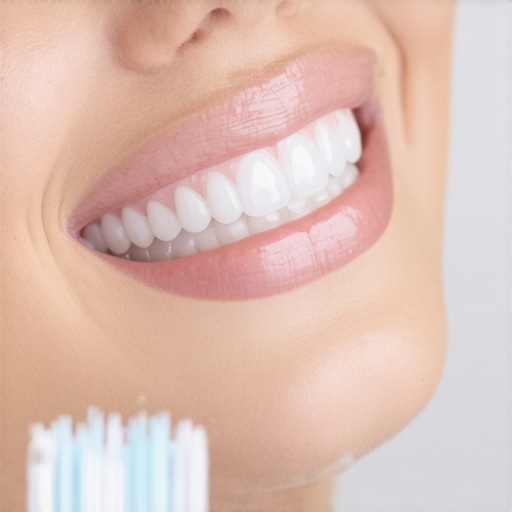
I remember the exact moment I looked in the mirror and noticed those stubborn stains taunting me from my Invisalign trays. It was a frustrating realization; despite diligently cleaning, my clear aligners started to look cloudy and discolored, almost like they were betraying my efforts. That lightbulb moment made me wonder—how many others are silently battling staining issues, feeling helpless or resigned?
Invisalign has transformed the way we approach orthodontic treatment, offering a discreet alternative to traditional braces. But one common complaint I’ve seen—and experienced myself—is tray staining. Not only does it diminish the aesthetic appeal, but it can also affect your confidence and even lead to oral health concerns if bacteria cling to those stubborn spots.
Today, I want to share a simple, effective hack that changed everything for me. This isn’t about expensive cleaning solutions or complex routines; it’s a straightforward trick I wish I knew from the start. By the end of this post, you’ll understand how to keep your aligners crystal clear and stain-free — saving you both time and stress.
Don’t Let Stains Ruin Your Smile — Here’s How to Keep Invisalign Trays Sparkling
Before I discovered this hack, I made a mistake similar to many: I relied solely on daily brushing and rinsing. Turns out, that’s just the surface. Invisalign trays are porous, and some stains can embed deep, resisting your best efforts. I also learned that certain beverages, like coffee and red wine, are notorious for leaving behind unsightly marks. Recognizing these causes was the first step.
Through trial, error, and a bit of research—plus a tip from my dentist—I found that a simple cleaning method can drastically improve tray clarity. This method involves a nightly soak using ingredients you probably already have at home, like baking soda and vinegar. It’s surprisingly gentle yet highly effective.
If you’ve ever wondered whether these stains are inevitable or if there’s a magic trick, you’re not alone. I’ve been there. And trust me, you don’t have to accept cloudy, stained trays as part of your Invisalign journey. The next section will walk you through this easy hack, backed by dental experts who agree that proper cleaning is key to maintaining your trays’ transparency.
But first, let’s address a common concern—”Is this method safe and truly effective?” Keep reading to find out why so many people, including myself, are finally saying goodbye to tray stains and hello to a bright, clear smile.
Prepare Your Cleaning Solutions Carefully
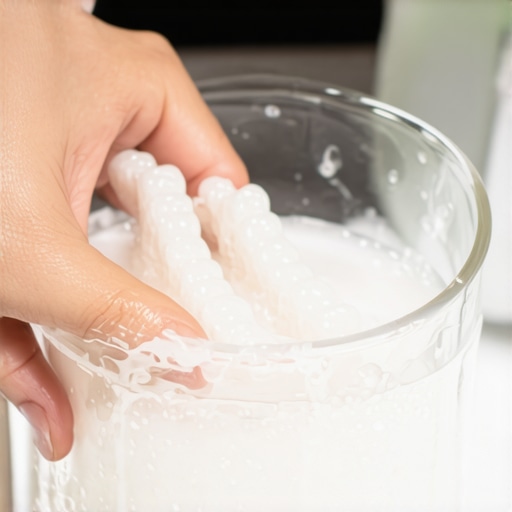
Start by gathering your supplies: baking soda, white vinegar, warm water, and a toothbrush. I vividly remember the night I decided to try this hack; I poured a tablespoon of baking soda into a cup of warm water and added a splash of vinegar. The bubbling reaction confirmed I was on the right track. This mixture acts like a gentle, natural scrub that lifts off stains embedded in your trays without harsh chemicals.
Soak Trays Overnight for Best Results
Place your Invisalign trays in the solution and let them soak overnight. I applied this method on a busy Thursday evening when I noticed some discoloration. After the soaking, I used my soft toothbrush to gently scrub the trays. The result was astonishing—my trays looked almost new, with a clarity I hadn’t seen in weeks. Regular nightly soaks prevent stains from building up, saving you time and maintaining your confidence in your smile.
Why Soaking Works Like Magic
This process is similar to how a pot scrubber cleans stubborn cookware; the bubbling action loosens grime that brushes alone can’t remove. Dentists suggest that a weekly routine of this kind can keep your trays pristine. Incorporating this into your routine is just like applying a filter to a photo—it enhances clarity and brightness effortlessly.
Additional Tips for Maintaining Clear Aligners
Avoid beverages like coffee, red wine, and dark soda when wearing or cleaning your trays—these are notorious for staining. You might think rinsing after drinks is enough, but stains can settle deep into the material. Instead, by keeping your trays immersed in your homemade solution nightly, you’re actively preventing stain formation. For more insights on maintaining oral health, check out top oral health tips.
Addressing Persistent Stains and Discoloration
If you find that stains persist despite regular cleaning, consider replacing your trays or consulting with your dentist. Sometimes the material degrades, or stains settle deeper, requiring professional intervention. Remember, a clean aligner isn’t just about aesthetics—it’s crucial for oral health, as debris and bacteria can harbor in stained trays, increasing the risk of infections. For comprehensive guidance, explore crown benefits that also relate to overall restorative care.
 When it comes to dental health, many people cling to misconceptions that can lead to costly mistakes. For instance, the belief that all crowns are the same ignores the nuances of material choices and placement techniques that influence durability and aesthetics. Advanced patients understand that not every crown suits every situation—porcelain-fused-to-metal crowns, for example, offer strength but may compromise natural appearance, whereas full ceramic crowns excel in beauty but require precise placement to avoid chipping.
Similarly, a widespread myth in Invisalign treatment is that aligners alone are enough for perfect results. In reality, failure often stems from neglecting proper cleaning and attachment management, which can cause discoloration and tracking issues. Overlooking the importance of retention phases and not following your dentist’s instructions on wear schedules can undo months of progress.
What are the subtle errors patients make that jeopardize long-term results?
One sneaky mistake is assuming that maintaining oral hygiene is only about brushing and flossing. Failing to address the hidden nuances—like the impacts of saliva, pH levels, and remnant plaque in hard-to-reach areas—can foster plaque buildup, leading to decay beneath crowns or around orthodontic attachments. Dentists emphasize that customized oral health plans, including adjunct tools like water flossers or certain mouth rinses, make a significant difference. An insightful study published in the Journal of Dental Research highlights how personalized hygiene routines dramatically improve restorations’ longevity [source].
Another advanced aspect often missed is the significance of regular professional check-ups beyond just cleaning. Many assume that seeing the dentist only when pain arises is sufficient, but early detection of micro-cracks or material fatigue can prevent major reconstructive work later. Routine imaging and careful examinations are essential, especially for those with crowns or orthodontic appliances. This proactive approach aligns with expert advice from leading prosthodontists, who stress that periodic assessments catch issues before they escalate, ultimately saving you money and discomfort.
On the broader level, there’s an urgent need to challenge the misconception that family dentistry is only about baby teeth or basic cleanings. Modern family practices are hubs of advanced diagnostic tools and personalized care strategies that adapt to each member’s evolving needs. Continuing education and staying up-to-date with the latest trends—like minimally invasive procedures and digital impressions—are crucial. As noted in a recent review in the Dentistry Today journal, embracing technological innovations enhances patient outcomes and satisfaction [source].
Understanding these nuances allows you to move beyond common myths and avoid traps that hinder your dental health journey. Regularly consulting reputable sources and maintaining open communication with your dentist ensures you’re equipped to make informed decisions. Have you ever fallen into this trap? Let me know in the comments.Maintaining your dental health investments, such as crowns and Invisalign, requires more than just good habits—having the right tools makes a significant difference. I’ve found that certain equipment and routines not only enhance the lifespan of restorations but also simplify daily care, saving me time and ensuring my smile stays bright and healthy. In this post, I’ll share specific tools I rely on, explain why they’re effective, and predict how these innovations will shape future dental maintenance.
Investing in the Right Monitoring Tools
One of my go-to items is a high-quality dental mirror. Unlike standard mirrors, a well-designed mirror with a close-up magnification helps me spot early signs of plaque buildup or wear around crowns. I personally prefer a mirror with an LED light feature—this illuminates hard-to-see areas, allowing for more thorough inspection. Regular self-assessment with this tool means I catch issues early, preventing costly repairs and reinforcing good oral hygiene habits. For those curious about long-term restoration success, the ultimate crown guide offers insights into maintenance routines that complement these tools.
Effective Cleaning Devices for Daily Routine
Next, I swear by a water flosser. Traditional flossing misses certain plaque deposits, especially around crowns and braces. A quality water flosser, like the Waterpik series, delivers pulsating streams of water that clean deep beneath the gumline. I’ve noticed a marked reduction in inflammation and sensitivity since incorporating this into my nightly routine. It’s particularly effective at maintaining the health of restorations, which tend to trap bacteria if overlooked. To maximize results, pairing this device with a gentle, ADA-approved mouthwash ensures bacteria are kept at bay.
Why You Should Upgrade Your Floss Picks
In addition to water flossers, I recommend using interdental brushes—small, cone-shaped tools designed for tight spaces. Unlike regular floss, they can effectively clean around crowns, bridges, and orthodontic attachments. Regular use prevents plaque accumulation that could compromise your restorations over time. I suggest choosing brushes with soft bristles to avoid damaging delicate gum tissues.
Tools for Monitoring and Future Predictions
Looking ahead, digital plaque scanners are becoming more affordable and user-friendly. These devices, often connected to smartphone apps, use light technology to identify buildup that’s invisible to the naked eye. I predict that within the next few years, at-home dental monitoring will become standard practice—allowing individuals to track their oral health continually, rather than waiting for checkups. Incorporating these tools into your routine could revolutionize how we maintain crowns and Invisalign aligners.
How do I keep my tools effective over time?
To ensure your tools stay functional and hygienic, regular cleaning is essential. For instance, cleaning your water flosser’s nozzles with vinegar weekly prevents mineral buildup and microbial growth. Storing interdental brushes in a dry, ventilated area prolongs their lifespan. Additionally, replacing overused tools—like toothbrush heads and flosser nozzles—at least every three months helps maintain their efficacy. Remember, even the most advanced gadgets won’t perform optimally if neglected.
By integrating these specific tools into your daily routine, you’re investing in the longevity of your dental work and overall oral health. For a comprehensive understanding of maintaining crowns for years to come, explore guidance on choosing the right crown. Don’t hesitate—try upgrading your cleaning arsenal today, and enjoy a brighter, healthier smile for the long haul!
The Hardest Lesson I Learned About Crowns and Invisalign
Realizing that even perfect-looking crowns and the latest Invisalign treatments require diligent maintenance was a game-changer for me. I once believed that once my dental work was done, I could relax—until stains, discomfort, or early wear crept in, reminding me that oral health is an ongoing journey, not a one-time fix.
My Trusty Arsenal of Oral Care Tools
Over time, I gathered tools like a professionally recommended electric toothbrush and a water flosser, which have been invaluable in maintaining my crowns and Invisalign aligners. These aren’t just gadgets; they are investments in long-lasting restorations and dental health. For more insights on this, check out the ultimate crown guide.
Embrace the Power of Continuous Care
Now, I make it a point to schedule regular check-ups, knowing that early detection of issues like micro-cracks or slight discoloration can save a lot of discomfort and expense later. The key is internalizing that a bright smile requires ongoing effort, not just periodic visits. Remember, proactive care beats reactive repairs every time.
Lessons That Transformed My Approach to Dental Wellness
- Consistent cleaning routines with the right tools can keep your crowns and aligners looking pristine longer.
- Be vigilant about beverages, like coffee and red wine, and how they can stain even the most advanced dental materials.
- Never underestimate the value of professional guidance; dentists see issues you might miss and can suggest personalized strategies.
- Stay informed through trusted sources, so you’re aware of new technologies and techniques that could improve your oral care routine.