
The Best Time of Day to Brush Your Teeth for Maximum Protection

It was one of those mornings when I caught a glimpse of my reflection and suddenly realized, despite meticulous brushing and flossing, I was still waking up with bad breath and a lingering taste of yesterday’s coffee. The realization hit me hard—am I brushing at the right time? This small but significant question changed everything for my oral health.
The Power of Timing in Dental Care
I’ve learned over the years that not all brushing routines are created equal. It’s tempting to think that brushing is just a morning and night habit, but the *when* can make a big difference. If you’re like me, you’ve probably wondered whether it’s better to brush before or after breakfast—or perhaps before bed. Well, I’m here to tell you, understanding the optimal timing can be a game-changer. According to the American Dental Association, brushing at the right times can significantly reduce plaque build-up and prevent cavities. Small adjustments in your schedule could lead to a brighter, healthier smile.
Is the Hype About Morning or Night Brushing Really Worth It?
One common mistake I made early on was ignoring the importance of how long I waited after eating before brushing. I used to think brushing immediately after breakfast was best, but that can actually harm your enamel if you’ve consumed acidic foods or drinks. I learned that waiting about 30 minutes helps neutralize acids, making your brush more effective and gentle. It took some trial and error, but once I adjusted my routine, I noticed less sensitivity and fresher breath throughout the day.
Thinking about all the conflicting advice out there, it’s natural to be skeptical. Does the timing really impact oral health that much? The answer is yes, and it’s worth paying attention to. Ready to discover the ideal times and techniques to boost your dental protection? Let’s get into the practical steps that can overhaul your daily oral care routine and help you maintain that confident smile. And if you’ve faced challenges sticking to a consistent schedule, you’re not alone—many people struggle to find the right rhythm, but the right knowledge can make all the difference.
Timing Your Brushing for Better Results
On that challenging morning, I realized brushing immediately after breakfast wasn’t ideal, especially if I had consumed acidic foods. I started waiting about 30 minutes before brushing, which significantly reduced tooth sensitivity and improved my breath. To do this, set a timer or reminder on your phone to help establish this new habit. Remember, patience during this adjustment leads to healthier enamel and fresher breath. Incorporate this into your routine by keeping your toothbrush accessible in the bathroom, so you’re reminded each morning and night.
Proper Technique Matters
Simply brushing isn’t enough; technique makes the difference. Use a soft-bristled toothbrush and gentle circular motions to clean all surfaces. Avoid aggressive back-and-forth scrubbing that can damage gums. I once experienced gum recession because I rushed through my brushing. Now, I dedicate at least two minutes to each session, focusing on every quadrant of my mouth. Visualize your toothbrush as a mini scrub brush—think of it as polishing your teeth rather than scrubbing them raw. For guidance, consult with your family dentist or visit this resource.
Choosing the Right Products
Using fluoride toothpaste is essential, but selecting the right brush is equally important. I upgraded to an electric toothbrush with a timer, which helped ensure I brushed for the full two minutes. When considering floss, I found floss picks more convenient for quick, effective cleaning—especially for kids or busy mornings. For individuals with dental restorations like crowns, using a water flosser can reach tricky areas and reduce plaque buildup. Be sure to replace your toothbrush every three months or sooner if bristles fray, which keeps your cleaning effective. To explore options tailored for your needs, visit this guide.
Addressing Dental Restorations Properly
If you have crowns or other restorations, proper care is crucial. For crowns, avoid biting hard objects or sticky candies, which can weaken the bond. I once accidentally chipped a crown by chewing gum too aggressively. When cleaning around these areas, be gentle and use interdental brushes or floss threaders to remove debris. Regular checkups with your family dentist, like the specialists discussed here, ensure longevity and health of your restorations.
Embrace Family Dentistry Trends
Incorporating family-focused dental practices has made maintaining my oral health easier. Routine visits help catch problems early, such as hidden cavities or early gum disease signs. For children, early education on proper brushing and flossing builds lifelong habits. I started scheduling family appointments to motivate my kids, which not only improved their dental health but also made me more consistent. Stay updated on the latest trends in family dentistry by exploring this resource.
Many assume that Invisalign offers the perfect, maintenance-free orthodontic solution, but the reality is more nuanced. A common misconception is that you can simply wear the aligners without paying attention to hygiene or diet, leading to stained trays and compromised results. Similarly, some believe crowns are invincible—forgetting that improper cleaning or biting hard items can cause chipping or microcracks, ultimately shortening their lifespan. In family dentistry, there’s a misconception that dental visits are only necessary when there’s pain, but early detection during routine checkups can prevent complex issues. One advanced mistake I see often is neglecting the subtle signs of crown failure or invisalign tracking problems, which can accelerate deterioration if not caught early. For example, a microcrack in a crown might be invisible to the untrained eye, yet it can lead to decay underneath if overlooked. Studies show that early intervention significantly boosts longevity of restorations, so regular dental exams are critical (see expert advice here). To give your oral health the protection it deserves, understanding these hidden nuances prevents costly mistakes. Are you aware of the subtle signs indicating a crown might be failing or that your Invisalign isn’t tracking properly? Stay informed—your smile depends on it. Have you ever fallen into this trap? Let me know in the comments.Maintaining a healthy, beautiful smile over the years requires more than just regular brushing and flossing. Investing in the right tools and establishing effective routines can significantly extend the lifespan of your restorations and orthodontic treatments. Personally, I rely on a few key instruments that have proven invaluable in my journey toward optimal oral health.
Why a High-Quality Electric Toothbrush Is Non-Negotiable
After trying multiple options, I settled on a sonic electric toothbrush with a built-in timer and quadrant pacing. The reason is simple: it ensures I brush effectively for the full recommended two minutes, covering all areas of my mouth uniformly. The oscillating motion, combined with precise timing, removes plaque more efficiently than manual brushes, especially around crowns and implants where plaque accumulation can be hidden. Moreover, I make it a point to replace the brush head every three months, as recommended by dental professionals, to maintain optimal cleaning efficacy.
Leveraging Floss and Water Flossers for Deep Cleaning
Manual flossing is excellent, but I found that using a water flosser took my oral hygiene to the next level, particularly around crowns and orthodontic appliances. The pulsating stream effectively dislodges debris and reduces gum inflammation. For those with sensitive gums or tricky restorations, this tool is a game changer. I use mine nightly, and the improvement in gum health was immediate, reinforcing the importance of supplementing brushing with thorough interdental cleaning.
Digital Monitoring and Apps to Stay on Track
Modern dental tools often come with companion apps that remind you to replace your brush head or floss. I integrate these notifications into my routine to ensure I don’t forget essential maintenance tasks, which are crucial for long-term results. These apps often include tutorials for proper brushing and flossing techniques, helping me refine my skills. Keeping consistent with these small habits adds up significantly over time.
Predicting Future Trends in Oral Maintenance
Emerging technologies like AI-powered toothbrushes and smart flossers are poised to revolutionize how we care for our teeth. They will adapt brushing intensity based on plaque detection and provide real-time feedback. As these innovations become more affordable, I expect personalized, data-driven dental routines to become the norm, helping prevent issues before they even arise. This proactive approach aligns perfectly with future dentistry’s goal to minimize invasive procedures.
How do I stay ahead to keep my dental work intact?
One method I highly recommend is incorporating routine check-ups with your family dentist to catch subtle issues early. Additionally, I advise using tools designed for your specific restorations. For example, if you have crowns, consider interdental brushes or specialized floss threaders to clean beneath your restorations effectively. Regular professional cleanings and monitoring ensure long-lasting results, as detailed in this comprehensive guide.
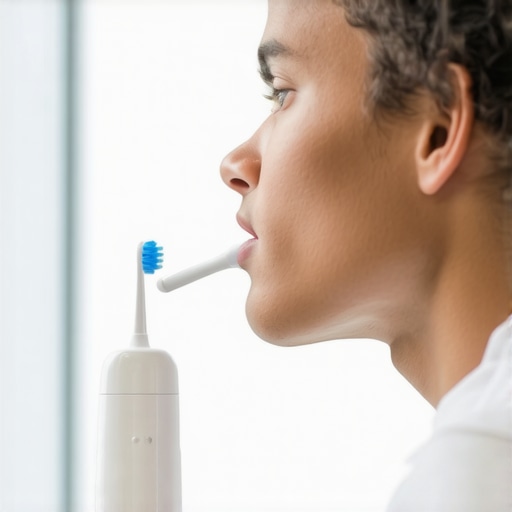
Tip: To further enhance your maintenance routine, try a flossing tool with a tapered tip designed specifically for crowns and bridges. This precise instrument can navigate tight spaces more effectively, reducing plaque buildup and extending the life of your restorations. The investment is small but offers significant long-term benefits, making it a must-have in my dental toolkit.
Remember, consistent use of these tailored tools not only preserves your current dental work but also prevents future issues. Stay proactive, and your smile will thank you for years to come.
What No One Tells You About Long-Term Dental Success
During my journey with dental restorations and orthodontics, I discovered that comprehension goes beyond surface-level knowledge. One of the most eye-opening lessons was realizing that consistency in routine and tailored care surpass generic advice. For example, I found that personalized tools like interdental brushes designed for crowns make a tangible difference, a detail often overlooked by standard guides. This insight taught me that understanding the subtle nuances of your own dental needs empowers you to make smarter choices, ultimately safeguarding your investment in your smile.
My Handpicked Tools for Dental Triumphs
Over the years, I’ve curated a set of essentials that have truly transformed my oral health. The best crowns I recommend, paired with a high-quality electric toothbrush and specialized interdental brushes, ensure my restorations and natural teeth stay in top shape. Trusting these brands and tools stems from firsthand results, reinforced by trusted dental experts. They serve as a reminder that investing in precision tools is a small step towards long-lasting health.
Your Smile Is a Reflection of Your Efforts
Taking control of your dental health isn’t just about routine — it’s about creating a proactive mindset. I encourage you to embrace the innovations and personalized tools available, like smart flossers or professional-grade kits, which can elevate your routine significantly. Remember, your smile’s longevity depends on your commitment to small, consistent actions. With the right approach, you’re not just maintaining teeth; you’re cultivating confidence that radiates from within. Ready to transform your dental habits and protect your smile for years to come? What challenge have you faced in sticking with your dental routine? Share below, and let’s learn together.