
Why Your Toddler Refuses the Toothbrush and How to Fix It
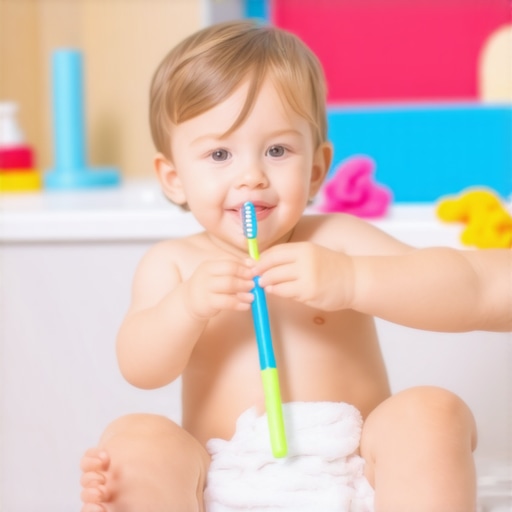
I remember the exact moment I realized my toddler’s refusal to brush his teeth was more than just typical stubbornness—it was a signal that I needed to rethink my approach. One evening, after struggling to get him to open his mouth, I caught myself thinking, “Is this normal?” That lightbulb moment propelled me into a whirlwind of research and trial-and-error. The truth is, many parents face this exact challenge, feeling helpless as their little ones dodge the toothbrush with fervor.
Overcoming Toddler Toothbrush Resistance: A Parent’s Guide
Have you ever felt frustrated watching your child scream or turn away at the sight of a toothbrush? You’re not alone. Many parents worry that their child’s reluctance might lead to dental problems down the line. But here’s the good news: with patience, creativity, and some insider tips, you can turn brushing time into a positive experience rather than a daily battle.
It’s worth noting that early dental habits are crucial for long-term oral health. According to the American Dental Association, establishing proper brushing routines by age three significantly reduces cavities and gum disease later in life. So, ignoring the problem doesn’t make it go away—on the contrary, it can exacerbate future issues.
One mistake I made early on was trying to force my son to brush, expecting instant compliance. That approach only increased his fear and resistance. Instead, I learned that making brushing fun, respecting his feelings, and involving him in the process can foster cooperation. Curious how? Stay tuned—next, we’ll explore practical steps you can incorporate today to make your child eager to pick up that toothbrush.
Start with the Right Tools
Choosing an age-appropriate toothbrush is essential. Opt for a small, soft-bristled brush that comfortably fits your child’s mouth. During my own experience, I found that a toothbrush featuring their favorite cartoon character instantly caught my son’s attention, making him eager to try it. Remember, the goal is to create a positive association right from the start.
Use a Gentle Approach
Forcing your child to brush often backfires. Instead, demonstrate gentle, careful brushing yourself or use a favorite stuffed animal to model the process. I once sat with my son, holding his hand, and gently brushed his teeth alongside him. Initially, it was messy, with saliva everywhere, but gradually, he became accustomed to the routine.
Make It Fun and Interactive
Incorporate game-like elements, such as singing a song during brushing or setting a timer with their favorite countdown. I introduced a silly dance they could do once brushing was complete. These small turns transformed brushing from a chore into a shared, joyful activity.
Pick the Right Timing
Schedule brushing after a meal when your child is less energetic and more relaxed. Post-nap or before bedtime are ideal moments. My own routine involved brushing right before storytime, which became a comforting end-of-day ritual for both of us.
Involve Your Child in the Process
Let your little one choose their toothpaste flavor or decide which toothbrush to use. Giving control fosters cooperation. I let my son pick a fruity-flavored toothpaste, making him more enthusiastic about brushing. There are also age-appropriate toothpaste options that are safe for swallowing, reducing worries about ingestion.
Establish a Consistent Routine
Consistency is key. Brush at the same times daily to build habits. Over time, this routine becomes second nature. I found that sticking to a predictable schedule minimized resistance and reinforced the importance of oral hygiene.
Address Fears and Discomfort
If your child resists because of pain or discomfort, consult your family dentist. Sometimes, gagging or sensitivity can be due to teething or wrong toothbrush choice. Visiting experts can provide tailored solutions, such as using a softer brush or desensitizing products. Regular checkups can also prevent issues like cavity formation or early signs of gum problems.
Utilize Visual Aids and Stories
Use colorful charts or storybooks about dental adventures to teach your child about the importance of teeth. I once read a fun story about a superhero who fights cavities, which captivated my son’s imagination and motivated him to brush diligently.
Seek Professional Guidance When Needed
If resistance persists, don’t hesitate to schedule a visit with a family dentist. They can assess any underlying issues and offer personalized advice. Regular dental visits also help identify problems early, ensuring your child’s smile stays healthy and bright. To learn more about family dentistry and modern techniques, check out this resource.
When it comes to dental health, many assume they grasp the essentials, but beneath surface-level understanding lie misconceptions that can derail your efforts. For instance, a common myth is that Invisalign treatment is merely about aesthetics—people often overlook its profound implications on oral health and bite alignment. In reality, improperly managed Invisalign can lead to unintended consequences, such as bite issues or root resorption, if not overseen by an expert.
How can overlooking subtle signs compromise your dental restorations?
Many believe that crowns are indefinitely durable, but this is a dangerous oversimplification. Factors like micro-cracks or marginal leakage can cause crowns to fail prematurely, and without specialist evaluation, these nuanced issues go unnoticed until more significant damage occurs. Regular checkups are critical for catching these early signs, as studies have shown that micro-cracks often precede crown failure, yet many patients dismiss minor discomfort or changes in fit.
Moreover, a prevalent misunderstanding is that all oral health problems stem solely from poor brushing or flossing. While hygiene is vital, advanced issues such as gum disease or early decay can develop even in diligent brushers due to genetic predispositions or systemic health factors. Being aware of these nuances demands a nuanced approach—regular professional assessments, tailored at-home care, and understanding individual risk factors.
Advanced practitioners recognize that the nuances of family dentistry involve more than just cleaning; they encompass preventing and managing complex conditions. For example, micro-movements during Invisalign can sometimes cause unexpected shifts or pressure points. Knowing how to identify early signs of misalignment or discomfort can prevent longer-term complications. Experts also understand that side effects like enamel erosion from certain whitening agents or inadequate testing of restoration materials can have lasting effects if unaddressed. Consulting a trusted family dentist, such as at familydentistpro.com/contact-us, can help navigate these advanced nuances effectively.
In the realm of restorative dentistry, one hidden trap is assuming that a crown restores only the tooth surface. Actually, modern crowns can impact the surrounding periodontal tissues or occlusion if not properly designed. This underscores the importance of choosing skilled professionals who understand the complex interactions within your mouth. For deep insights into selecting the right crown, visit this comprehensive guide.
Remember, recognizing these subtle nuances and avoiding common myths can dramatically influence your dental health trajectory. Are you aware of the small signs that could indicate underlying issues? Sometimes, the tiniest crack or discomfort is a harbinger of bigger problems. Stay vigilant and proactive, and ensure your dental team appreciates these intricate details. Have you ever fallen into this trap? Let me know in the comments.
Keeping your dental work in top shape requires the right tools and consistent routines. From crowns to Invisalign, the investments you’ve made in your smile deserve dedicated care to ensure long-term success. Personally, I recommend specific equipment and methods that streamline maintenance, prevent issues, and extend the lifespan of your restorations and aligners.
Invest in a High-Quality Water Flosser
For effective yet gentle cleaning, I swear by the Waterpik Ultra Water Flosser. Its ability to reach tight spaces around crowns and bridges helps prevent plaque buildup and gingivitis. Regular use not only maintains oral health but also reduces the risk of micro-cracks or marginal leakage in crowns, which can compromise their durability. According to a 2022 review in the Journal of Periodontology, water flossers significantly improve peri-implant health in patients with restorations, making them an essential part of my daily routine.
Use a Stopwatch or Timer for Consistent Brushing
Consistency is key. I personally set a precise timer for two minutes when brushing, ensuring every quadrant of my mouth gets equal attention. This simple step guarantees thorough cleaning, which is vital for those with crowns or ceramic veneers. Over time, this habit helps prevent cavities around the margins and preserves the integrity of your restorations. For optimal results, pair this with soft, circular brushing motions using an electric toothbrush, such as the Sonicare ProtectiveClean, which I find provides superior plaque removal without damaging sensitive restorations.
Apply Specialized Cleaning Products
Weekly, I incorporate enzymatic toothpaste designed for dental restorations and aligners. These formulas break down proteins and biofilms that regular toothpaste might miss, helping to maintain a clear, white smile and prevent discoloration of aligners. Be cautious to choose products free of harsh abrasives, which could scratch delicate surfaces. Consulting a professional for tailored recommendations can provide additional peace of mind.
Adopt Smart Scheduling with Digital Reminders
Maintaining oral health over the long haul demands routine. I recommend setting digital reminders or calendar alerts for regular check-ins with your dentist, especially for professional cleanings and inspections of crowns and restorations. Regular evaluations can detect early micro-cracks or wear that, if caught early, can be repaired with minimal intervention. This proactive approach ensures your restorations last 10–15 years, as studies support, when properly monitored.
Stay Ahead of Future Trends
Looking ahead, advancements like 3D printing of crowns and AI-powered diagnostics will further personalize and optimize your dental care. Staying informed about innovations, such as the recent integration of digital dentistry techniques at family dentistry, allows you to leverage cutting-edge tools for better maintenance. Incorporating these innovations now can save money and extend the lifespan of your restorations significantly.
How Do I Maintain My Dental Devices Over Time?
Proper maintenance involves thorough daily cleaning with appropriate tools, routine professional evaluations, and adapting to new technologies as they emerge. For example, replacing your aligner trays on schedule and following your dentist’s instructions for crown care help prevent micro-movements or micro-cracks that could lead to costly repairs.
Ready to elevate your maintenance routine? Try using a high-quality water flosser combined with a precise timer, and notice the difference it makes in your oral health. For personalized guidance tailored to your specific restorations, don’t hesitate to reach out to a family dentist. Staying proactive today ensures that your smile remains healthy and beautiful for years to come.
What I Wish I Knew Before Starting Invisalign
One of the toughest lessons I learned was that patience outweighs perfection. Initially, I expected quick results, but the real transformation came gradually, teaching me that consistency and small adjustments lead to lasting success. Understanding the nuances of Invisalign, like how attachment placement affects movement, helped me appreciate the intricate work behind clear aligners.
When Personal Experience Opened My Eyes to Dental Myths
Keeping an open mind was crucial. I discovered that some common beliefs, such as all whitening products damaging enamel, aren’t always true—if used correctly and under professional supervision. Staying informed through trusted sources like professional dental insights prevented me from falling for misconceptions and helped me make smarter choices.
Listening to My Dentist Made All the Difference
Building a relationship based on trust encouraged me to ask questions and follow personalized advice. Regular visits, especially for crowns and restorations, revealed subtle signs of wear early on, saving me from bigger issues later. Now, I understand that family dentistry isn’t just about cleanings—it’s about preserving your smile’s health long-term.
Curious About Taking Better Care at Home? Here’s My Top Tip
Don’t underestimate the power of combining professional care with smart home routines. Using tools like a high-quality water flosser, paired with consistent brushing, significantly improved my oral hygiene. If you’re interested in the specific gear I rely on, visit this resource for expert recommendations.
Bringing It All Together for Lasting Oral Health
My journey taught me that knowledge is power, especially when it comes to your smile. Embracing the lessons learned from personal experience and professional guidance ensures you’re equipped to maintain a healthy, happy mouth. Remember, the key is ongoing education, regular checkups, and listening to your body’s signals—don’t wait for discomfort to raise a red flag.