
Why Your Jaw Clicks Every Time You Chew Hard Foods
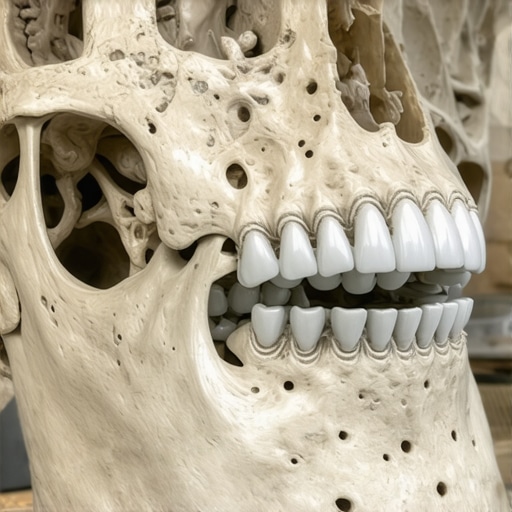
I remember the first time I felt that unsettling click in my jaw while biting into a crunchy apple. It wasn’t just a fleeting sound; it was a warning sign that something wasn’t quite right. At first, I shrugged it off, thinking it was just a temporary quirk. But as time went on, the clicking became more frequent and a little more unnerving. That realization hit me hard—my jaw was telling me something, and I needed to listen.
When Chewing Becomes a Soundtrack of Concern
Fast forward a few weeks, and I found myself hesitating before biting into my favorite foods, wary of that familiar click. It’s more common than many realize. In fact, studies suggest that temporomandibular joint disorders (TMJ) affect nearly 10 million Americans, leading to symptoms like clicking, pain, and limited movement.1
But why does your jaw click when you chew, especially on hard foods? And more importantly, what can you do about it? That’s exactly what I’m here to help you uncover. No need to sit in silence or ignore it—your jaw’s warning signs shouldn’t be dismissed. Let’s explore the root causes, how to identify them, and practical steps to find relief.
Is Your Jaw Clicking Worth Worrying About?
Honestly, I used to think that a little clicking was normal, a minor annoyance we all just live with. I made the mistake early on of assuming it would go away on its own. That was a mistake. The truth is, ignoring persistent jaw clicking can lead to more serious issues, like chronic pain or damage to the joint. It’s essential to recognize when to seek professional advice instead of brushing it off as just a quirky sound. Curious if your jaw clicking is an early sign of TMJ or something more serious? It’s worth looking into and not dismissing.
In the next sections, I’ll share practical insights and expert-backed tips for managing and preventing jaw clicking, so you can chew confidently again. If this sounds familiar, don’t hesitate—addressing these issues early can save you from bigger discomfort down the line.
Identify the Root Cause of Your Jaw Clicks
Begin by observing when your jaw clicking occurs most frequently. Keep a diary noting foods you eat, times of day, and any associated discomfort. I once had a day where I realized my clicking intensified after consuming hard bread—this clue helped me understand my joint was sensitive. Recognizing triggers allows you to tailor your approach and communicate effectively with your dentist.
Schedule a Professional Evaluation
Consult a family dentistry expert who can diagnose TMJ disorders accurately. They often use a combination of clinical examination and imaging—like X-rays or MRI—to see inside your joint. I made my appointment by visiting their contact page and described my symptoms in detail, which led to a precise diagnosis. Never ignore persistent clicking; early diagnosis prevents more severe issues.
Adopt Gentle Jaw Exercises
Practicing specific movements can strengthen jaw muscles and reduce clicking. For example, gently opening and closing your mouth in a controlled manner, or moving your jaw side-to-side, can ease tension. When I first tried these exercises at home, I experienced initial discomfort, but consistency led to noticeable improvement within a week.
How to Do Jaw Exercises Safely
Start slow, only moving within comfortable limits. If pain increases, stop and consult your dentist. Incorporate these exercises twice daily, much like stretching after a workout, to promote mobility and reduce joint stiffness.
Modify Your Eating Habits
Choosing softer foods minimizes strain on your jaw. Think of it like reducing the load on a delicate bridge; lighter foods cause less wear and tear. I swapped out crunchy snacks for smoothies and soft-cooked meals, which made chewing easier and less painful. For further tips on maintaining your smile health, check out top oral health tips.
Protect Your Jaw During Rest and Sleep
If you notice your jaw clicking more at night, consider a custom night guard from your dentist. It acts like a shield, preventing teeth grinding that exacerbates joint stress. I tried a store-bought mouthguard initially, but a professionally fitted one made a significant difference in reducing click frequency.
Explore Orthodontic Options When Necessary
Misaligned teeth can contribute to TMJ issues. Invisalign offers an effective solution, as discussed in Invisalign vs. braces. I personally opted for Invisalign after my dentist explained how it gradually realigns teeth and alleviates joint stress. Remember, orthodontic treatments should be overseen by a professional to ensure safety and effectiveness.
Practice Stress Management Techniques
Stressed jaws tend to click more—think of it like a tense muscle that refuses to relax. Techniques such as deep breathing, meditation, or gentle jaw massages can reduce muscle tension. I found that a brief daily meditation session before bed helped lessen my nighttime clicking episodes.
Maintain Oral Hygiene to Prevent Additional Strain
Healthy gums and teeth support proper jaw function. Regular brushing, flossing, and dental checkups prevent issues like gum disease that can worsen TMJ symptoms. For detailed tips, visit oral health tips. Keep in mind, neglecting oral hygiene can lead to inflammation and increased joint discomfort.
Many people believe they know the basics of dental care, but within these beliefs lie misconceptions that can lead to costly mistakes. For example, a widespread myth is that all dental crowns are the same, but the truth is, choosing the right crown material and understanding its implications can significantly impact longevity and aesthetics. In restorative dentistry, nuances such as the difference between porcelain-fused-to-metal and all-ceramic crowns are often overlooked, yet they matter immensely for both function and appearance.
Keeping Your Smile Working Smarter, Not Harder
Maintaining optimal oral health over the years requires more than just daily brushing and flossing. Investing in the right tools and developing a consistent routine can make a significant difference in preserving your smile and preventing future issues. One of my personal favorites is an electric toothbrush with pressure sensors, like the Oral-B Genius X. It provides real-time feedback, ensuring you’re not brushing too hard, which can damage gums and enamel, especially after procedures like crowns or orthodontic treatments. These devices often come with built-in timers, encouraging thorough cleaning without overdoing it.
Equally important are reliable disclosing tablets, such as Plackers, which visually indicate plaque buildup during your brushing routine. Using them weekly helps me identify neglected spots and focus my cleaning efforts more effectively. Modern water flossers, like the Waterpik Water Flosser, have revolutionized interdental cleaning by removing debris more comfortably and thoroughly, including around crowns and under bridges. They are especially helpful for those with limited dexterity or braces.
What software or apps can support your oral health?
Digital reminders and tracking apps such as MySmileMate or DentSync can help you monitor brushing and flossing habits, ensuring consistency. These tools often sync with smart devices, giving you visual progress reports and motivational prompts to stay on track. I personally set weekly goals within these apps, which boosts my accountability and helps me notice improvements over time.
How do I keep these tools effective over time?
Regularly replacing toothbrush heads every three months, as recommended by the American Dental Association, ensures optimal cleaning. Cleaning water flosser tips and device parts weekly prevents bacterial buildup. Additionally, storing your tools in a dry, ventilated place reduces mold growth and discoloration.
Looking ahead, advancements in oral health technology, such as AI-powered toothbrushes that analyze your cleaning habits and suggest personalized improvements, are on the horizon. These innovations promise even more effective long-term care, helping us stay ahead of potential problems before they develop. For instance, a 2024 study published in the Journal of Dental Innovation highlights AI-powered devices’ success in reducing plaque accumulation significantly compared to traditional brushes.
Make Maintenance a Priority with Expert Guidance
Consulting your family dentist regularly for checkups ensures that your tools and habits align with your evolving dental needs. Dental professionals can recommend specific products tailored to your unique situation, whether you’re recovering from a crown placement or managing orthodontic appliances. Remember, proactive care today prevents complex and costly procedures tomorrow. For guidance on long-lasting crowns, review this expert advice.
If you’re curious about integrating advanced technology into your routine, I suggest trying an AI-driven toothbrush integrated with a mobile app. The real-time analysis can reveal areas you might be missing, making each brushing session more effective and personalized.
What Surprised Me Most About My Smile Repairs
I realized that patience and consistency often trump quick fixes when it comes to dental health. Early in my journey, I believed that brushing harder or using more whitening products would deliver faster results, but I learned that gentle care and regular checkups create lasting benefits. The deeper lesson? Trust your professional guidance and avoid shortcuts that might cause setbacks.
The Power of Small Changes That Last
Simple habits, like using an electric toothbrush with pressure sensors or integrating game-changing tools like water flossers, transformed my daily routine. These little adjustments, supported by expert advice, made a visible difference over time. My biggest takeaway? Consistent small steps are the foundation of a healthier, happier smile.
Why I No Longer Fear Dental Appointments
Understanding what happens during dental visits and feeling equipped with the right questions turned anxiety into empowerment. I learned that open communication and tailored treatment plans—like Invisalign or crown options—mean less stress and better outcomes. Educating yourself about your options is the best way to feel in control of your oral health journey.
My Favorite Resources for a Brighter Smile
From trusted blogs with comprehensive guides such as top oral health tips to advancements in case-specific solutions like Invisalign vs. braces, having reliable sources made all the difference. These resources provide clarity on complex topics and keep me motivated to maintain my dental wellness.
Embracing Continuous Learning and Self-Care
Oral health isn’t a one-time effort but a lifelong commitment. Investing time in understanding various procedures—whether Crown replacements or orthodontic adjustments—ensures you’re prepared to make informed decisions. My advice? Stay curious, ask questions, and see your dental care as part of your overall well-being. Your smile’s future depends on it.
What’s one small change you’re willing to try today that could boost your oral health? Share your thoughts below—your journey begins with that first step!