
Is Your Electric Toothbrush Damaging Your Enamel?
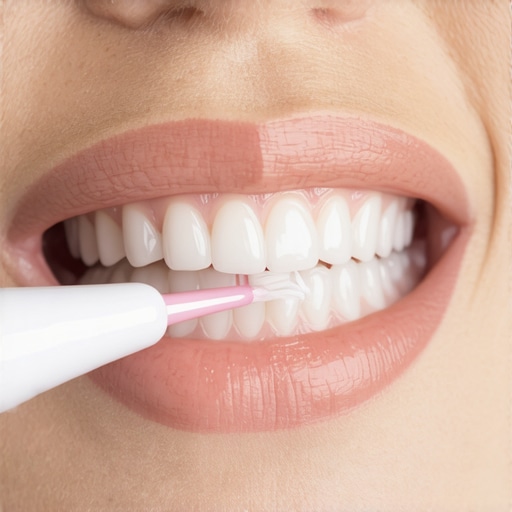
I vividly remember the moment I looked in the mirror and noticed tiny white spots on my teeth that hadn’t been there before. It was unsettling. After a few days of scratching my head over what could be causing these mysterious marks, it struck me — maybe my trusty electric toothbrush was doing more harm than good. That realization was a lightbulb moment. It got me diving into the world of oral health and questioning whether my daily routine was unknowingly damaging my enamel.
Why I Started Questioning My Electric Toothbrush
At first, I thought, “It’s just a toothbrush. How complicated can it be?” But as I read more, I learned that the power and frequency of electric toothbrushes can, if used improperly, wear down enamel, especially if combined with excessive pressure or abrasive toothpaste. I realized I’d been brushing too hard, thinking more force equals cleaner teeth — a common mistake many folks make without realizing the potential damage.
Research shows that overusing or improperly using electric toothbrushes can contribute to enamel erosion over time, leading to increased sensitivity and decay. According to a study published in the Journal of Clinical Dentistry, aggressive brushing habits are one of the common causes of enamel wear among adults.
So, if you’ve ever experienced tooth sensitivity, visible wear, or after brushing, your teeth don’t feel as smooth as they used to, you might wonder whether your electric toothbrush is part of the problem. Believe me, I was right there with you — convinced my daily habit was harmless. But personal experience taught me a valuable lesson: what we often assume is safe might not be the reality.
What We Will Cover Today
In this post, I’ll share the signs that your electric toothbrush might be damaging your enamel, how to recognize this common mistake, and most importantly, what steps you can take to protect your smile. I’ll also debunk some common myths about electric toothbrushes, so you’re equipped with the right information to make informed choices for your oral health. Ready to keep your teeth healthy and strong? Let’s dive into the practical advice that can save your enamel and your confidence.
Adjust Your Brushing Technique Immediately
Apply Gentle Pressure and Proper Motion
Instead of pressing hard like you’re scrubbing stubborn stains, use light, circular motions. Think of your toothbrush as a paintbrush; gentle strokes are more effective and safer for your enamel. I recall once attempting to clean with more force, ending up with sore gums and no real cleaning advantage. After consciously easing up and practicing the right motion, my teeth felt smoother, and sensitivity decreased.
Set the Right Timer and Pressure Alerts
Use a toothbrush with built-in timers or pressure sensors. These features prevent over-brushing by alerting you when you’re applying too much force. When I switched to such a model, I found myself consciously reducing pressure, which cut down enamel wear significantly.
Choose the Correct Brush Head and Toothpaste
Select Soft-Bristled Brush Heads
Opt for toothbrush heads labeled ‘soft’ or ‘extra soft’. Harder bristles can be likened to using a wire brush on delicate surfaces—damage is inevitable. I swapped my medium brush head for a soft one and immediately noticed less gum irritation and no more tiny white spots appearing on my teeth.
Use Non-Abrasive, Fluoride-Rich Toothpaste
Abrasive toothpaste can accelerate enamel erosion, especially if used aggressively. Choose a gentle, fluoride-rich option that helps remineralize your enamel. I experimented with a natural, non-abrasive toothpaste and felt a marked improvement in tooth sensitivity over weeks.
Implement Proper Brushing Frequency and Stopping Points
Limit Brushing Duration
Brush for no more than two minutes. Overbrushing can wear down enamel faster than you think. I used a timer app to keep myself on track and reduced the abrasive effects of prolonged brushing sessions.
Avoid Common Mistakes Like Scrubbing
Instead of back-and-forth scrubbing, focus on gentle, circular motions covering all surfaces. Once during a hectic morning, I hurried and scrubbed vigorously, resulting in sore gums. Slowing down and adopting the correct technique made a noticeable difference in my oral health.
Prioritize Regular Dental Checkups
Visit your dentist every six months to monitor enamel health and receive professional advice tailored to your habits. During one visit, my dentist pointed out early signs of enamel erosion linked to my brushing pattern, prompting immediate adjustments.
Consider Alternative Dental Solutions for Complex Cases
Explore Family Dentistry Options
Family dentists can help design personalized strategies and recommend tools suited for your unique needs. They can also identify early signs of damage that you might overlook. For comprehensive care, routine checkups are invaluable.
Evaluate Restorative Options Like Crowns
If erosion has advanced beyond simple fixes, crowns might be necessary to protect weakened teeth. These restorations act like a helmet, providing a sturdy barrier for your vulnerable enamel. For detailed information, see our comprehensive crown guide.
Adopt New Technologies and Habits
Invest in a sonic or oscillating toothbrush with built-in pressure sensors and timers. These modern tools act as your personal coach, preventing damage before it starts. When I upgraded my toothbrush, the integrated features made my oral hygiene routine both safer and more effective.
Stay Informed and Educate Yourself Continually
Read trusted resources or consult your dentist about myths regarding electric toothbrushes. For example, many believe more scrubbing equals cleaner teeth, but that’s far from true. Regular education helps you make informed decisions and protect your smile long-term.
Many people believe they have a solid grasp of oral health, but subtle misconceptions can undermine long-term dental well-being. For instance, the assumption that all dental restorations, such as crowns, last forever isn’t accurate; in reality, they require careful maintenance and periodic evaluation. According to a study published in the Journal of Prosthetic Dentistry, improper care of crowns can lead to microleakage and secondary decay, emphasizing the need for regular professional checkups.
Another common myth is that family dentistry is solely about children’s oral health. However, comprehensive family dental care involves tailored strategies for all ages, addressing unique challenges like adult orthodontics or porcelain veneers. Explore how crowns can be a game-changer for restoring damaged teeth or improving aesthetics in adulthood.
Speaking of cosmetic solutions, many assume that Invisalign is only for minor misalignments. But advanced cases can benefit from Invisalign’s versatility, provided the treatment is carefully planned and monitored. To understand the nuances, check out how Invisalign is revolutionizing family dentistry in 2025.
Are there risks most overlook with teeth whitening and aligners? Absolutely. Overuse or misuse of whitening products can weaken enamel, leading to increased sensitivity. Similarly, not adhering to the prescribed wearing schedule of aligners may compromise results or cause unintended shifts. A detailed study in the Journal of Esthetic and Restorative Dentistry highlights how improper use diminishes effectiveness and increases risks.
Beyond habits, understanding the material science behind crowns and aligners reveals their vulnerabilities. For instance, poorly fitted crowns can trap plaque and lead to gum disease if not properly maintained. The dental crown technique has advanced significantly, but it demands expertise to ensure durability and health benefits. Moreover, families often underestimate the importance of integrating orthodontic and restorative treatments seamlessly, a complexity that modern practices aim to address.
Being aware of these detailed nuances can prevent costly mistakes down the line. Regular consultations, proper care routines, and staying informed about technological advances are vital. Want to go beyond surface-level advice? Dive into how Invisalign compares to traditional braces for a more strategic approach to orthodontic health. Have you ever fallen into this trap? Let me know in the comments.
Keeping It Working: My Top Tools for Long-Term Oral Wellness
Maintaining your oral health isn’t just about daily habits; having the right equipment and techniques makes all the difference. Over the years, I’ve refined my toolkit, selecting tools that genuinely enhance my dental routine and safeguard my smile. Let’s dive into these trusted tools and see how they can help you achieve lasting results.
Invest in a Sonic Toothbrush with Pressure Sensors
I personally swear by my sonic toothbrush equipped with built-in pressure sensors. Unlike standard electric brushes, this device alerts me immediately if I’m brushing too hard, preventing enamel erosion and gum damage. The oscillating movement combined with gentle sonic vibrations ensures thorough cleaning without the risk of abrasion. As dental research highlights, these features are crucial for long-term enamel preservation (Invisalign myths debunked).
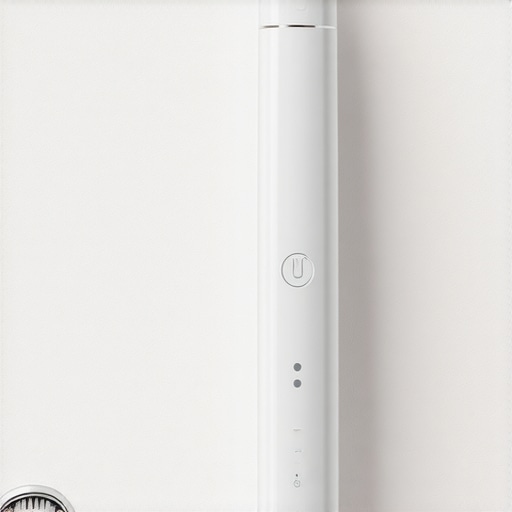
For best results, I use a model from Philips Sonicare, appreciated for its reliable pressure alerts and customizable brushing modes. I highly recommend choosing one with these features to protect your enamel over the years.
Choose Soft-Bristled and Interdental Brushes
Mechanical cleaning aids like soft-bristled toothbrushes are essential. I switch to extra-soft heads for daily use, reducing wear while effectively cleaning. Additionally, interdental brushes help reach those tight spaces between teeth, removing plaque that standard brushes might miss. Regular use of these tools has significantly lowered my visits for scaling and plaque removal.
Advanced Water Flossers Are Game-Changers
Since incorporating a water flosser into my routine, I’ve noticed less bleeding and fresher breath. The adjustable water pressure and various tips allow me to customize cleaning around crowns and braces. The addition of pulsating water helps dislodge food particles and plaque, especially in hard-to-reach areas—prolonging the integrity of restorations like crowns and implants.
**How do I maintain these tools over time?**
Cleaning your devices regularly with mild soap and replacing parts like brush heads every three months ensures peak performance. Proper storage in a dry, clean environment prevents bacteria buildup. Consistently maintaining your tools not only extends their lifespan but maximizes their protective benefits for your teeth.
Future of Dental Tools and Techniques
The trend is heading toward smarter, more personalized devices. Innovations like app-connected toothbrushes that track your brushing habits and provide feedback are on the rise. Combining these with professional checkups enhances long-term oral health management, reducing issues like enamel erosion or gum disease. With technological advancements, it’s exciting to see tools becoming more efficient, data-driven, and user-friendly.
Ready to Upgrade Your Dental Arsenal?
If you’re serious about safeguarding your smile, starting with a sonic toothbrush that has pressure sensors is a great step. These devices make a tangible difference, especially when combined with regular visits to your dental professional. Remember, adopting the right tools is an investment in your oral health’s future — and it pays off in confidence and comfort.
For personalized guidance tailored to your needs, don’t hesitate to contact your family dentist. Don’t wait—take control of your dental care today and enjoy the long-term benefits.
Discovering Hidden Truths About Oral Care That Changed My Perspective
- One of the most surprising lessons I learned was that even routine brushing can cause long-term damage if not done correctly. A gentle approach, combined with the right tools, can make all the difference in maintaining healthy enamel.
- I realized that popular myths about toothbrush hardness and whitening products can lead to harmful practices. Educating myself with credible sources helped me avoid pitfalls that many fall into unknowingly.
- Personal experience showed me that investing in technology, like pressure-sensing toothbrushes, has tangible benefits. They serve as silent guardians, preventing enamel erosion over time.
- Regular checkups weren’t just about treating problems—they became opportunities to catch issues early, saving me from costly repairs later on. Early detection truly is the key.
Tools That Transformed My Dental Routine and Can Do the Same for You
- The Philips Sonicare with pressure sensors became my trusted ally, reminding me to brush gently. Such devices are worth every penny for long-term enamel preservation.
- Interdental brushes, though small, offer immense protection by reaching those tricky spots. Their role in preventing decay is underrated.
- A quality water flosser has significantly improved my ability to clean around crowns and braces. It’s a game-changer for comprehensive oral hygiene.
- Continual learning from reputable sites like familydentistpro.com keeps me informed about evolving best practices and innovations in dental care.
Remember, Your Smile Deserves More Than Just Routine Maintenance
Embracing this journey of informed, gentle, and tech-enabled oral health is an investment in confidence and well-being. Don’t wait until issues arise—take proactive steps today with the right tools, regular professional advice, and a curious mind. Your future self will thank you for it. What aspect of your oral health routine are you most eager to improve? Share your thoughts below.