
4 Red Flags Your Dental Implant Is Actually Failing
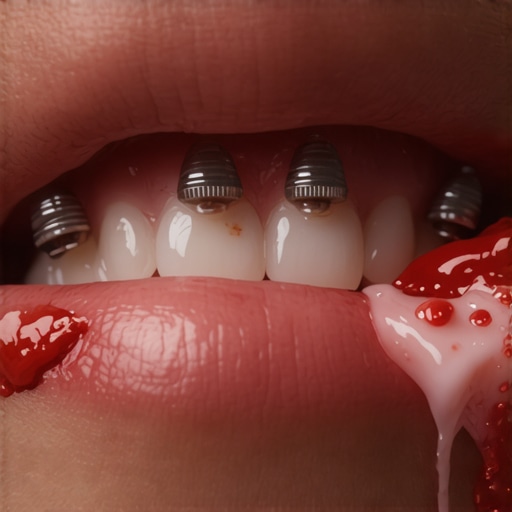
I remember the unsettling moment when I bit into an apple and felt a strange wobble in my mouth. At first, I thought it was just a figment of my imagination or perhaps my jaw muscles adjusting. But as days went on, that feeling didn’t go away. Turns out, I was unknowingly experiencing a red flag indicating my dental implant was in trouble. That realization was a wake-up call—something I wish I had caught earlier.
If you’re like me, you probably want to enjoy your favorite foods without worry or discomfort. Dental implants are a fantastic solution for restoring confidence and function, but they aren’t infallible. The key is recognizing the early signs that something might be wrong before it escalates into a costly or painful problem.
Today, I want to share with you the four critical warning signs I learned through personal experience and professional advice, so you can stay ahead of potential implant failure. Because, let’s face it, missing the subtle signs can lead to serious complications and even jeopardize your oral health.
Why Catching Implant Problems Early Matters
Dental implants are generally successful, boasting a success rate of around 95%, according to the American Association of Oral and Maxillofacial Surgeons. However, when they do fail, the consequences can range from discomfort to the loss of the implant altogether. Early detection is crucial because it allows for less invasive corrections and preserves your natural tissue.
One common mistake I made early on was waiting for pain before seeking help. But pain isn’t always the first indicator of trouble. Sometimes, subtle signs like changes in appearance or sensation can be the first clues. Recognizing these early symptoms can save you time, money, and unnecessary suffering.
Have you noticed any unusual sensations or changes around your dental implant? If so, don’t ignore them. Being proactive and consulting your dentist promptly can make all the difference.
Now, let’s dive into the specific signs that might signal your implant isn’t as healthy as it should be. Be sure to read through these carefully, and consider scheduling a check-up if any of them sound familiar.
Inspect Your Oral Environment Regularly
Set a weekly reminder to examine your mouth closely, looking for signs like swelling, redness, or unusual textures around your implant. Use a flashlight and mirror to get a clear view. During one instance, I noticed a slight discoloration on the gum tissue next to my implant, which prompted me to book an appointment before the issue worsened.
Monitor Changes in Sensation and Function
Pay attention to sensations like numbness, tingling, or a strange metallic taste. Also, assess your biting and chewing comfort. I once experienced a dull ache when biting down on a certain side, which turned out to be a loose implant. Acting quickly prevented further damage.
Keep Up with Routine Dental Check-Ups
Schedule visits at least twice a year or as recommended by your dentist. During these visits, ask for an assessment of your implants, including x-rays if necessary. I scheduled my appointment, and my dentist spotted early bone loss signs, allowing for timely intervention.
Utilize Proper Oral Hygiene Techniques
Brush at twice daily with a soft-bristled toothbrush and non-abrasive toothpaste. Floss carefully around your implant with special tools like floss threaders to avoid damaging the tissue. Once, I struggled with flossing around my implant until I learned how to use a floss threader, which made cleaning more effective without irritation.
Recognize the Visual Signs of Trouble
Look for gum recession, persistent redness, or pus. Also, note if your crown or prosthetic seems loose or wobbly. I noticed my crown slightly shifting and notified my dentist immediately, preventing more serious complications. Regular visual checks can catch these issues early.
Address Symptoms Promptly
If you observe any of these signs, contact your dental professional without delay. Delaying treatment can lead to infections, bone loss, or implant failure. My experience taught me that swift action saved my implant and avoided invasive procedures. Remember, early detection keeps your smile healthy and intact.
Many people believe that oral health practices and dental treatments are straightforward, but the reality is far more nuanced. A common misconception is that Invisalign is a quick fix for crooked teeth, which isn’t always true if one doesn’t adhere to proper dental hygiene or follow the treatment plan diligently. For instance, failing to wear aligners as prescribed can extend treatment time and reduce effectiveness, as outlined in expert analyses on Invisalign maintenance. Similarly, the myth that crowns are invincible can lead to neglect, ignoring that improper placement or poor hygiene can cause underlying issues like decay or gum recession beneath the crown. An advanced mistake many overlook is undervaluing the importance of the right crown material; choosing an inappropriate type can lead to wear, discoloration, or failure over time. It’s vital to consult with a specialist who understands the nuances of crown restoration, as discussed in detailed guides on selecting durable crown materials. When considering family dentistry, some assume regular brushing suffices, but they overlook the significance of personalized flossing techniques and dietary advice tailored for all ages, which significantly impact long-term oral health. Moreover, neglecting early signs of crown or implant failure, such as discomfort or secondary decay, can be costly. Recognizing these subtleties and avoiding common pitfalls underpins successful dental outcomes. Have you ever fallen into this trap? Let me know in the comments.Maintaining your oral health, especially when it involves complex restorations like crowns, implants, or Invisalign treatments, requires more than just regular brushing. It’s about utilizing the right tools and establishing consistent habits that ensure durability and functionality over the years. One of my go-to tools is the Waterpik Ultra Water Flosser, which I’ve found invaluable for cleaning around crowns and implants where traditional floss struggles. The pulsating water effectively removes plaque and debris, reducing the risk of decay underneath restorations. Additionally, I recommend using interdental brushes like theTePe Interdental Brush, specifically designed for cleaning hard-to-reach areas. I personally use the small-size variant for my crowns and implants, which helps prevent buildup that could compromise the restoration’s integrity. When it comes to software, I rely on Dental Monitoring’s app to track my oral health progress between visits. This technology allows my dentist to remotely assess my oral status through high-resolution images, catching potential issues early. Looking ahead, innovations like AI-powered toothbrushes are poised to revolutionize daily oral hygiene, providing personalized brushing feedback and reminders to enhance long-term care. To truly keep your dental work performing at its best, incorporate these advanced tools into your routine and stay vigilant about ongoing maintenance.
### How do I maintain my crowns and implants over time?
Regular check-ups remain crucial, as professional evaluations can spot subtle issues before they escalate. Combining this with daily use of specialized tools—like water flossers, interdental brushes, and possibly even smart toothbrushes—builds a robust defense against long-term failure. Remember, the success of your dental treatments depends on consistent, proper care supported by the right equipment. For additional guidance on selecting durable crown materials and ensuring long-lasting results, I suggest checking out [this detailed guide](https://familydentistpro.com/choosing-the-right-crown-expert-advice-for-long-lasting-results). Invest in these tools, stay disciplined with your oral hygiene, and you’ll enjoy the benefits of a healthy, functional smile for years to come. Don’t forget, maintaining your dental work isn’t a one-time effort—it’s an ongoing commitment that rewards you with confidence and comfort.
Small Habits, Big Savings: My Unseen Lessons in Oral Health
One secret I discovered is that consistent daily care often beats occasional professional visits. I realized that neglecting small areas between my crowns led to bigger problems down the line, reinforcing the importance of regular flossing with interdental brushes for lasting results.
Another insight was the value of listening to your body signals. That metallic taste or slight discomfort? Indicators that something’s amiss, and acting promptly can prevent complicated procedures. Trusting my instincts has saved me from future pain and expense.
Resources That Became My Tooth-Linked Compass
- Dental Monitoring App: It allowed me to track subtle changes remotely, making routine check-ups more effective and less stressful. I recommend it for anyone serious about their implant health.
- The Ultimate Guide to Crowns from Family Dentist Pro provided detailed insights on choosing materials that withstand years of wear, helping me avoid premature replacements.
- Choosing the Right Crown Material: A must-read for understanding the durability differences. It empowered me to make informed decisions about my restorations.
- Family Dentistry Trends help me keep up with innovative practices catering to multi-generational care, emphasizing that continuous learning is key to oral health success.
Your Smile’s Next Chapter Starts Today
Taking charge of your dental health isn’t just about fixing issues—it’s about embracing a mindset of proactive prevention. Whether you’re maintaining existing implants or considering new treatments, remember that informed choices lead to lifelong confidence. You have the power to preserve your smile with small, consistent actions — start today and enjoy the journey toward a healthier, brighter future.