
How to Stop Food From Getting Stuck Under Your Dental Bridge
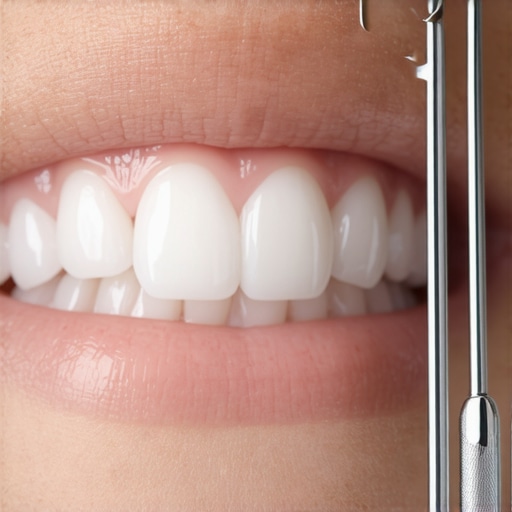
One evening, as I was about to enjoy my favorite pasta dinner, I felt that unmistakable gnawing frustration—food was stuck under my dental bridge again. It’s a little moment that sneaks up on you, turning a simple meal into a dental puzzle. That’s when I realized: this wasn’t just an inconvenience; it was affecting my confidence and comfort during everyday meals.
If you’ve ever experienced the baffling sensation of biting into a sandwich only to feel that dreaded clog of food between your gums and dental work, you know exactly what I mean. Those tiny particles can turn an enjoyable bite into an awkward, self-conscious ordeal. It’s frustrating, embarrassing, and—let’s be honest—annoying enough to make you dread mealtimes.
Why Food Gets Stuck and The Impact on Your Oral Health
Food getting lodged beneath a dental bridge isn’t just a discomfort—it’s a warning sign that your oral health could be at risk. When bits of food get trapped, they can promote bacterial growth, leading to bad breath, gum irritation, and even decay around the supporting teeth. Early on, I made the mistake of ignoring this issue, assuming it would go away on its own. But in reality, neglecting proper cleaning can cause the very problems we’re trying to avoid, such as gum disease or even damage to the bridge itself.
According to dental experts, carefully cleaning around restorations like bridges is essential to maintaining your smile’s health and longevity. A study published in the Journal of Clinical Dentistry highlights that improper hygiene around dental work can accelerate deterioration, sometimes requiring costly repairs or replacements. That realization motivated me to dig deeper—because if I didn’t address this small, nagging problem, I risked bigger oral health issues down the line.
Have You Faced This Problem and Felt Frustrated?
If you’re nodding along, thinking, “Yes, that’s exactly what happens to me,” you’re not alone. I used to struggle with that sticky, uncomfortable feeling after meals, unsure how to effectively clean those tricky spots. I know what it’s like to hope it will just disappear, only to realize it’s a sign that I needed smarter, more effective strategies.
Early in my journey, I made the mistake of just trying to floss normally, thinking that would do the trick. Spoiler alert: it often made the problem worse or barely helped. That’s when I discovered that addressing food entrapment under a bridge requires specific techniques and tools—things I want to share with you today, so you can enjoy your meals with confidence and a healthy smile.
So, if you’re tired of fighting with food trapped beneath your dental restoration, stay tuned. We’re about to explore the proven methods that finally brought me relief—and will do the same for you. Ready to take control of your oral health? Let’s get started!
Master the Art of Flossing Specific Areas
After my own experience with food trapped under my bridge, I realized standard flossing wasn’t enough. I started using floss picks with rigid sides to reach beneath the bridge properly. One evening, I meticulously threaded the floss beneath my dental bridge, gently scrubbing back and forth. The mess was awkward—some food bits stubbornly resisted—but the effort paid off with a noticeable reduction in trapped particles. Regularly flossing these hard-to-reach spots prevents bacteria buildup and prolongs the life of your restorations.
Use Water Flossers for Deep Cleaning
Water flossers, or oral irrigators, are game-changers for cleaning beneath bridges. I invested in one and directed the pulsating water stream along the gum line and under the bridge. The pressure dislodges trapped food and rinses away debris efficiently. When I first experimented, my sink was splattered with water and small food particles, but my gum health improved drastically over weeks. Incorporating a water flosser into your routine can make cleaning less tedious and more thorough, especially around complex restorations.
Employ Interdental Cleaners for Precision
For stubborn spots, interdental brushes are invaluable. I initially tried using regular toothbrushes, but they couldn’t reach tight spaces. I chose small, thin brushes designed for bridges and inserted them carefully under the crown with a gentle twisting motion. It took patience—sometimes a little food was pushed further in—but this technique kept my teeth cleaner. Interdental brushes are particularly useful for cleaning around crowns and implants, ensuring no food bits linger where they shouldn’t.
Adjust Your Eating Habits to Protect Your Restorations
One mistake I made early on was biting into hard foods without considering my dental work. Since then, I adopted a cautious approach: cutting tough foods into smaller pieces and avoiding very sticky snacks. I also limited eating certain foods that tend to get lodged easily, like popcorn or caramel. This simple adjustment significantly decreased the amount of food trapped after meals and reduced the cleaning effort needed later. Being mindful of what you eat can extend the longevity of your dental restorations and improve overall comfort.
Schedule Regular Dental Check-Ups for Professional Advice
No matter how diligent you are, professional cleanings are essential. During my routine visits, my hygienist used specialized tools to remove plaque and food particles I couldn’t reach. I learned that minor adjustments to my crown or bridge could better prevent food entrapment. Regular check-ups not only catch potential issues early but also help tailor a personalized cleaning regimen. Booking appointments with your family dentist ensures your restorations stay in top shape.
If you’re tired of fighting food debris beneath your dental restorations, implementing these targeted techniques can dramatically improve your oral health and confidence. For further tips on maintaining your smile, consider exploring [top oral health tips for your family’s bright smiles](https://familydentistpro.com/top-oral-health-tips-for-your-familys-bright-smiles). Your journey to a cleaner, healthier mouth starts with small, consistent actions.
Many people believe that Invisalign is just about straightening teeth invisibly, but the truth is more nuanced. A common myth is that Invisalign is suitable for all orthodontic issues—yet, in complex cases, traditional braces or other treatments might be more effective. Overlooking this can lead to prolonged treatment times or suboptimal results. Similarly, many assume crowns are a quick fix for any damaged tooth, but without proper preparation and follow-up care, crowns can cause more harm than good, such as unnecessary tooth wear or sensitivity. An advanced mistake is neglecting the impact of diet and habits on restorative work; for example, frequent consumption of acidic or sticky foods can undermine crowns and other restorations faster than you realize. As for family dentistry, some believe that visiting the dentist only when symptoms arise suffices. However, routine check-ups catch issues early, preventing costly repairs and preserving overall oral health.
One tricky aspect often missed is the importance of individualized treatment planning. For instance, a study published in the Journal of Clinical Orthodontics emphasizes that personalized approaches in orthodontics—rather than a one-size-fits-all mentality—yield better, longer-lasting results (see more about Invisalign vs. braces).
How can you tell if your dental treatment plan considers all nuance factors?
Being aware of these intricacies helps you engage more effectively with your dental team. Don’t fall into common traps like choosing treatment options based solely on cost or quick fixes. Instead, prioritize a comprehensive assessment that addresses your unique needs. For example, opting for a less invasive crown without understanding its limitations could lead to future complications. Similarly, neglecting the long-term impact of dietary choices—such as frequent soda consumption—can compromise even the best restorations (learn why diet soda is harmful for your restorations).
Remember, effective family dentistry involves proactive prevention, personalized treatment plans, and an understanding that all procedures are interconnected within your oral health ecosystem. If you’re unsure whether your current approach aligns with these principles, consider reaching out for a comprehensive consultation at Family Dentist Pro. Have you ever fallen into this trap? Let me know in the comments.
Maintaining Your Smile with Precision Tools
Keeping your dental restorations in optimal condition demands more than just regular brushing. I personally rely on a few key tools that have revolutionized my daily routine. For instance, I swear by the Waterpik Ultra water flosser. Its pulsating stream effortlessly dislodges food particles stuck beneath dental bridges and around crowns, which traditional floss struggles to reach. I use it every night after brushing, focusing on gentle pulsations along the gumline and beneath restorations. This simple step helps prevent bacterial buildup and ensures my restorations last longer. According to a 2022 study published in the Journal of Dental Hygiene, water flossers significantly improve oral hygiene, especially for those with complex restorations. Incorporating one into your routine could be a game-changer.
Precision in Daily Cleaning
Interdental brushes have become my secret weapon for maintaining hard-to-reach areas. I prefer the GUM Soft-Pick Advanced because of its slim design, making it easy to tuck beneath crowns and bridges. I use mine by gently twisting the brush into the gap, removing debris without damaging the surrounding tissue. It’s essential to choose a size that comfortably fits without forcing the brush—this prevents damage and promotes better cleaning. Regular use of interdental brushes has noticeably reduced my plaque buildup and freshened my breath.
Long-Term Results Require Consistency
While tools are crucial, consistent practice and ongoing maintenance are key to long-lasting dental health. I make a habit of scheduling professional check-ups every six months, where my dentist uses specialized equipment like ultrasonic scalers to remove tartar overlooked at home. Additionally, they assess my restorations for any signs of wear or loosening—an essential step given that crowns and bridges can silently deteriorate without visible symptoms. For guidance tailored specifically to your treatments, book a consultation at Family Dentist Pro.
Scaling Up for the Future
Looking ahead, technological advancements promise even more effective maintenance solutions. Digital monitoring devices could soon track plaque accumulation in real-time, alerting patients when manual cleaning is necessary. I believe that integrating smart technology into daily oral hygiene routines will become standard, further extending the longevity of crowns, Invisalign appliances, and other restorations. Early adoption can give you a significant advantage in preserving your smile’s health.
How do I maintain my dental restorations over time? Share your experiences and explore advanced techniques at family dentistry’s cutting edge by visiting this link. For a practical first step, try using an interdental brush daily to reach those tricky spots—it’s a simple change with lasting benefits.Lessons Only the Experts Usually Spill
One of the biggest revelations I had was realizing that effective oral care is as much about mindset as it is about routine. Trust me, even with top-tier tools, inconsistency can flatline progress. I used to believe that brushing twice a day was enough, but now I know that daily mini-inspections using a mirror and proper technique amplify results. Also, I discovered that your personal habits—like biting fingernails or chewing ice—can undo months of careful work on Invisalign or crowns, emphasizing the importance of self-awareness in maintaining a healthy smile. Lastly, I learned that having a customized cleaning routine, tailored to your unique dental work, makes all the difference—it’s not a one-size-fits-all game anymore.