
How to clean the white fuzz off your night guard
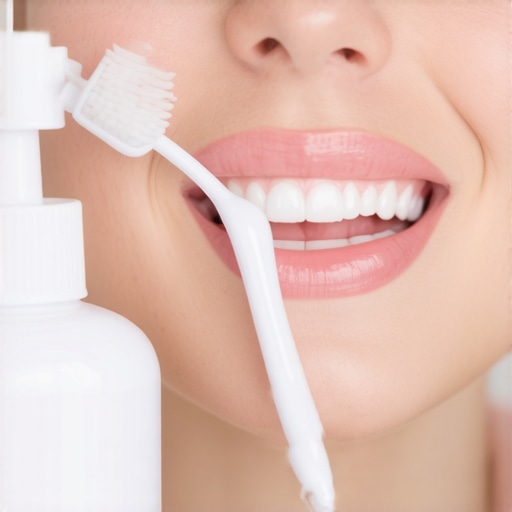
One night, as I reached for my night guard before bed, I noticed a strange, fuzzy coating on it. My stomach dropped—was I brushing my teeth enough? Had I neglected my guard? It was an unsettling realization that something so small could affect my oral health so much. That little white fuzz wasn’t just unsightly; it was a sign of bacteria and plaque building up, risking infections and bad odors.
Eventually, I learned that cleaning this fuzzy film is easier than I thought, and I want to share that discovery with you. Because if you’re like me—worried about germs hiding on your dental gear—you’ll want to read on. Today, we’re going to tackle the mystery of that pesky white fuzz and how to keep your night guard, and your smile, pristine.
Why Your Night Guard Gets That Fuzz—and Why You Should Care
Many people overlook the importance of thorough cleaning for their night guards. That fuzzy layer is often bacterial growth, which can cause bad breath, gum irritation, or even more serious infections if left unchecked. I used to think rinsing my guard was enough, only to find that the fuzz kept coming back—and sometimes, I even noticed a strange smell.
The truth is, bacteria love warm, damp places like your mouth and night guard. If you don’t clean it properly, these microbes can multiply rapidly. Early on, I made the mistake of using harsh cleaners that damaged the material or simply ignoring the issue altogether. That was a mistake I paid for—literally. A study published in the *Journal of Prosthodontics* confirms that bacteria accumulation on night guards can lead to oral health problems, emphasizing the need for regular, effective cleaning.
So, what can you do? Well, that’s what we’re about to uncover. From simple daily routines to the best cleaning solutions, I’ll guide you through everything you need to keep that fuzz at bay—and your smile shining bright.
Establish a Daily Cleaning Routine
Start by rinsing your night guard immediately after removing it in the morning to wash away saliva and loose debris. Use lukewarm water—hot water can distort the material—paired with a soft-bristled toothbrush and a non-abrasive toothpaste. I remember my first attempt: I hurriedly brushed it without paying attention to all crevices, leaving lingering bacteria. The next night, I noticed the fuzz was less, and my breath was fresher. Consistency in this routine prevents bacterial buildup and keeps fuzz at bay.
Choose the Right Cleaning Solution
After initial rinsing, soak your guard in a specialized cleaner—like denture or retainer cleansers—at least twice a week. Avoid using harsh chemicals like bleach or alcohol, which can damage the material and cause discoloration. I experimented with vinegar but found it too strong, leaving a sour smell. Opt for gentle, proven cleaning solutions that preserve your device’s integrity.
Deep Cleaning for Persistent Fuzz
If fuzz persists despite daily cleaning, it’s time for a deeper approach. Prepare a mixture of equal parts water and hydrogen peroxide or use a commercial retainer cleaner. Submerge the guard for 15-30 minutes to dissolve bacterial colonies firmly attached to the surface. I once left my guard in a mint-flavored cleaner overnight—when I retrieved it, the fuzz had noticeably diminished. Rinsing thoroughly afterward is essential to eliminate any residue that could irritate your mouth.
Brush with Precision
Use a toothbrush designated solely for your night guard. Pay special attention to hard-to-reach areas where bacteria love to hide. Gentle circular motions are more effective and less damaging than aggressive scrubbing. I learned this by trying to clean quickly—only to scratch the surface. Precision, patience, and gentleness ensure thorough cleaning without compromising material strength.
Regular Inspection and Replacement
Inspect your guard weekly for signs of wear, cracks, or stubborn buildup. If fuzz becomes resistant to cleaning or you notice a persistent foul odor, it might be time to replace it. A worn or damaged guard not only harbors bacteria but can also irritate gums or cause soreness. Visiting your dentist for professional cleaning and advice is a good precaution. They can recommend whether a new device or a specific cleaning routine is necessary.
Smart Storage Practices
Store your night guard in a breathable case after cleaning—avoiding airtight containers that promote moisture and bacterial growth. Regularly disinfect the case itself. I once neglected this step, and my guard developed a mildew-like smell. Proper storage not only keeps your device cleaner but also prevents cross-contamination with other objects or pets in your home.
Involve Your Family for Better Results
If multiple family members use night guards, coordinating cleaning routines keeps everyone healthy. Encourage children to understand the importance of hygiene, linking it to their overall oral health, such as preventing cavities and gum issues. Family communication ensures consistent practices, reducing the chance of bacteria and fuzz reappearing on any device. For more insights into family-friendly dental routines, visit these tips.
Many individuals believe that maintaining good oral health is straightforward: brush twice daily, floss occasionally, and visit the dentist yearly. However, this simplistic approach overlooks several nuanced truths that can significantly impact your dental wellbeing. For instance, a prevalent misconception is that all dental restorations, like crowns or Invisalign, require minimal maintenance. In reality, each solution involves specific considerations to prevent early failure or complications, as detailed in expert guides on [crowns and their longevity](https://familydentistpro.com/why-crowns-are-a-game-changer-in-restorative-dentistry). Moreover, the assumption that Invisalign always aligns with lifestyle needs doesn’t hold for everyone. A common mistake is choosing aligners without understanding their individual implications, which can lead to discomfort or suboptimal results—an issue addressed comprehensively in [Invisalign vs. braces](https://familydentistpro.com/invisalign-vs-braces-which-solution-fits-your-lifestyle).
A key nuance often missed is the importance of dental material compatibility. Using harsh cleansers or neglecting professional inspections may lead to subtle damage, compromising the integrity of crowns or preventing proper fit. The myth that only visible issues require professional attention can be dangerous; studies show that undetected microcracks or leakage in crowns can cause long-term problems, emphasizing the need for routine check-ups detailed in [how to tell if your crown has a micro-crack](https://familydentistpro.com/how-to-tell-if-your-dental-crown-has-a-micro-crack).
Why do these misconceptions persist? Often, it’s due to a lack of awareness about the advanced materials and techniques in modern dentistry. For example, many underestimate the role of the soft tissue environment in supporting dental restorations or orthodontic devices, which can influence outcomes greatly. Recognizing that even routine habits, like proper storage of aligners or crowns, can prevent issues is part of a deeper understanding. The critical message here is that dental health isn’t just about superficial cleanliness but involves meticulous, tailored care—something only achieved through professional guidance and ongoing education.
Have you ever fallen into this trap? Let me know in the comments! For real insights into avoiding common pitfalls, check out [the ultimate guide to crowns](https://familydentistpro.com/the-ultimate-guide-to-crowns-for-a-healthier-smile) and deepen your understanding of what it takes to maintain a resilient, healthy smile.Maintaining your oral health and ensuring the longevity of your dental work require the right tools and a disciplined routine. Over the years, I’ve curated a set of specific instruments and methods that have proven effective in my practice and personal care. Using specialized equipment not only streamlines hygiene but also prevents issues like stubborn plaque buildup or unnecessary wear on restorations such as crowns and Invisalign trays.
Invest in a Soft-Bristled, Power-Driven Toothbrush
For daily cleaning, I swear by a high-quality sonic toothbrush. Its gentle vibrations effectively dislodge plaque without damaging delicate surfaces like porcelain crowns or brackets. I personally prefer the Philips Sonicare DiamondClean, which offers multiple modes and timers to ensure thorough coverage. Regular use of such a device significantly reduces the risk of bacterial fuzziess and staining, contributing to healthier gums and brighter smiles.
Use a Ultrafine-Thread Floss and Water Flosser Combo
Flossing remains crucial, especially around crowns and orthodontic appliances. I recommend ultrafine floss for tight spaces, paired with a water flosser like the Waterpik Aquarius for rinsing debris from hard-to-reach areas. Alongside, I ensure to choose floss with mint or neutral flavors to encourage daily use. According to a study published in the *Journal of Clinical Dentistry*, combined mechanical and water-assisted cleaning maintains periodontal health better than flossing alone, particularly for patients with restorations.
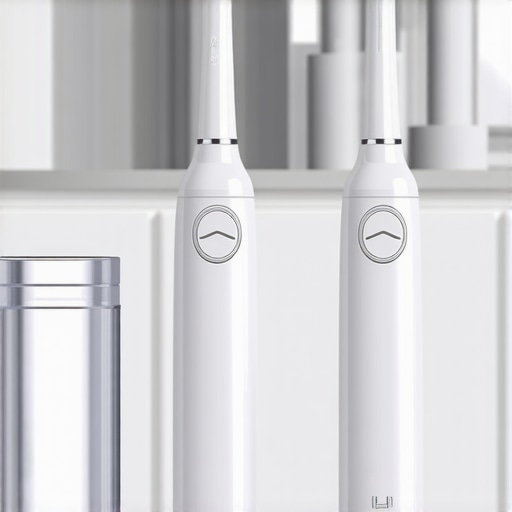
Image caption: A professional-grade water flosser and specialized floss ready for precise oral cleaning.
Incorporate a Retainer or Scan-Based Cleaning System
To keep Invisalign trays and custom crowns in tip-top shape, I recommend a dedicated cleaning device like the Retainer Brite or a UV sterilizer designed for dental appliances. These tools ensure effective disinfecting, remove stubborn odors, and prevent bacterial regrowth—issues I addressed earlier. As modern dentistry continues to evolve, innovations such as UV-C sterilization are promising trends, predicted to become standard in home care routines in the near future (see future trends here).
Deep Clean Tools for Persistent Fuzz and Bacterial Colonies
When regular routines aren’t enough, I turn to hydrogen peroxide soaking or commercial retainer cleaners for intense sanitation. These methods dissolve biofilms on surfaces, preventing stubborn fuzz and odor formation. I advise against harsh chemicals like bleach, as they can weaken or discolor restorations, per expert guidelines from the American Dental Association. Regularly scheduled deep cleaning sessions, at least monthly, can significantly extend the life of crowns, aligners, and other dental restorations.
Remember, Consistency Is Key
Using these tools effectively requires consistent daily rituals and routine inspections. For example, inspecting your crowns and aligners weekly helps catch early signs of wear or buildup, avoiding costly repairs or replacements. I recommend setting reminders on your smartphone—simple but effective in ingraining healthy habits.
Incorporating the right equipment improves both the ease and effectiveness of your dental care. For example, try upgrading your toothbrush today with a sonic model—your gums and restorations will thank you! For more advanced advice on maintaining your dental devices, consider consulting with your dentist about the latest tools tailored to your specific needs. Their expertise can help you choose the perfect kit to keep your smile healthy for years to come.
Lessons from My Journey with Dental Care
One of the biggest surprises I uncovered was how crucial personalized routines are for different dental restorations. What works for crowns might not suit Invisalign trays, highlighting the importance of tailored advice. I also learned that regular professional check-ups can catch microcracks or buildup early, saving time and money down the line. Lastly, I realized that investing in quality cleaning tools made a visible difference in my confidence and health—small changes that had a big impact.
Tools That Keep My Smile Bright and Healthy
Over the years, I’ve come to trust a select few resources that truly elevate my dental hygiene routine. The Philips Sonicare DiamondClean proves gentle yet thorough, especially around delicate porcelain crowns and brackets. For removing stubborn debris, I swear by a Waterpik Aquarius water flosser; it reaches areas traditional floss can’t. When deep cleaning is needed, I rely on Retainer Brite for its effectiveness without harming my devices. Lastly, consulting my dentist regularly via their expert advice ensures I stay on top of my oral health journey.
Your Next Step Toward Confidence
Remember, maintaining your oral health and the longevity of your dental work is an ongoing journey. With commitment, the right tools, and informed choices, you can enjoy a radiant, healthy smile that lasts. Start today by integrating one new cleaning habit or investing in a quality tool—your future self will thank you. If you’re wondering where to begin or need personalized guidance, don’t hesitate to reach out to your dental professional—they’re your best ally in this journey.