
How to brush your teeth when your gums are incredibly sore
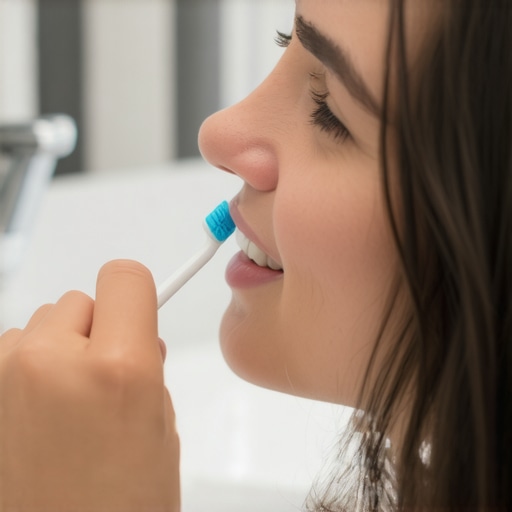
I remember the moment vividly—trying to brush my teeth one morning and feeling like I was stabbing my gums with a tiny, unforgiving blade. The soreness was so intense that even the lightest touch sent a jolt through my jaw. It was a real lightbulb moment for me. How could something as simple as brushing become such a painful ordeal? If you’ve ever experienced this, you know exactly what I mean. It’s not just discomfort; it can feel like a barrier to maintaining good oral hygiene.
Why Sore Gums Make Brushing a Challenge
Dealing with sore gums isn’t uncommon, especially if you’ve recently had dental work like crowns or Invisalign, or if gum disease is a concern. The natural reflex is to avoid pain, but avoiding brushing can lead to more serious issues like plaque buildup or infections.
What truly hit home for me was realizing that my own early mistake—using too much pressure and a hard-bristled brush—made the soreness worse. Trust me, I learned the hard way that not all brushing techniques are created equal. It’s vital to adapt your routine to your current condition to avoid aggravating your gums further.
Is Proper Brushing When Gums Are Sore Really Possible?
Absolutely. With a few simple adjustments, you can keep your mouth clean without adding pain. I’ll walk you through what worked for me and what I wish I’d known sooner. Remember, the goal isn’t just to clean but to do so in a way that promotes healing and comfort.
The key is choosing the right tools, techniques, and timing. Sometimes, a slight change in your routine makes all the difference. And if you’re wondering whether it’s safe or effective, rest assured—taking gentle steps can prevent minor issues from escalating into bigger problems. Curious how I managed to turn my painful brushing sessions into manageable daily habits? Keep reading.
Are you currently facing this problem, or have you struggled with it in the past? You’re not alone, and there are practical solutions that can help you get through this discomfort. By understanding the root causes of sore gums during brushing, you’ll be better equipped to keep your smile healthy without suffering.
Let’s dive into specific strategies that can transform your oral hygiene routine, making it pain-free and effective. For deeper insights into maintaining oral health, I recommend checking out top oral health tips that benefit the entire family.
Choose Your Tools Wisely and Use Them Gently
During my own struggles with sore gums, I discovered that switching to a soft-bristled toothbrush was a game-changer. Think of it like switching from a stiff brush to a gentle massage for your gums. When I first started, I was tempted to go slow but firm, thinking I needed to scrub away plaque quickly. Instead, I held the brush at a 45-degree angle and used light, circular motions, much like painting delicate strokes on a canvas. This approach reduced the pain significantly, preventing further irritation and supporting my gums’ healing process.
Master the Correct Brushing Technique
Applying too much pressure is a common mistake, especially when you’re in pain. To avoid this, try the ‘Feather-Light’ method—think of your toothbrush as a feather gently grazing your gums. I remember the first time I consciously reduced my pressure; my gums instantly felt less tender after brushing. Use the tip of your brush to gently clean, avoiding harsh scrubbing that can aggravate soreness. This not only protects your gums but also helps distribute your toothpaste evenly, enhancing cleaning efficiency without discomfort.
Select the Right Dental Products
Beyond your brush, toothpaste plays a role. I learned to choose a toothpaste formulated for sensitive gums—look for ingredients like aloe vera or fluoride designed for delicate tissues. Also, consider using an antimicrobial mouthwash, which can help control bacteria without the abrasion that brushing might cause when your gums are sore. Think of these products as soothing allies that aid healing without adding friction or irritation to already tender gums.
Adjust Your Timing and Routine
Timing your brushing sessions is crucial. I found that brushing shortly after waking and before bed worked best, avoiding immediate brushing after meals if my gums were inflamed. Instead, I gently rinse with warm water or a saline solution to loosen debris without scrubbing. If sore gums persist, take a break from aggressive brushing and opt for rinsing or flossing with ultra-soft floss. This way, you maintain oral hygiene without further aggravating your condition.
Incorporate Supplementary Oral Care Practices
Using interdental brushes or water flossers with gentle settings can help clean between teeth without stressing your gums. I incorporated a water flosser with low pressure into my routine, likening it to a soft rain shower over my gums. This method cleared food particles and plaque without causing pain, making my daily maintenance more manageable. Always set the water pressure to the lowest setting initially and gradually increase as tolerated.
Recognize When to Seek Professional Help
If your soreness persists even after adjusting your routine, it’s time to consult a dentist. Sharp pain, swelling, or bleeding shouldn’t be ignored. I experienced this myself when, after a week of gentle care, my gums still felt inflamed. A professional examination revealed minor gum disease, which I treated effectively with targeted therapy—sometimes, professional interventions are necessary to get back on track.
Remember, caring for sore gums requires patience and gentle action. By selecting appropriate tools, applying correct techniques, adjusting routines, and knowing when to seek help, you can keep your oral health intact without suffering pain. There’s no need to let discomfort hinder your dental hygiene—small, mindful steps can create a big difference.
Many people believe that family dentistry is solely about cleaning teeth or that Invisalign is just an advanced version of traditional braces. However, the reality is far more nuanced. A common myth is that once your braces are off, your teeth will stay perfectly aligned without further maintenance—nothing could be further from the truth, as ongoing retention and retainer care are crucial. Similarly, many assume crowns are a quick fix, but choosing the wrong type or a poor-fitting crown can lead to more problems down the line. Expert advice emphasizes that crowns should be viewed as long-term investments, and their success depends on selecting an experienced dentist—more about this can be found in [The Ultimate Guide to Crowns for a Healthier Smile](https://familydentistpro.com/the-ultimate-guide-to-crowns-for-a-healthier-smile).
What Advanced Mistakes Do Even Experienced Patients Overlook?
One of the biggest pitfalls is underestimating the importance of precise placement during crown procedures or Invisalign adjustments. Sometimes, patients overlook the significance of proper oral health before treatment, which can lead to complications like decay or gum disease undermining the restorations or orthodontic results. Additionally, misconceptions about Invisalign’s capabilities—such as thinking it can fix severe bite issues without associated treatments—are widespread. According to leading orthodontists, understanding the limits of your treatment options ensures better outcomes and prevents costly revisions. For example, choosing a treatment plan without consulting an expert can result in prolonged discomfort or subpar results. This underscores the importance of consulting specialists who understand the nuances of each procedure, as suggested in [Choosing the Right Crown Expert Advice for Long-Lasting Results](https://familydentistpro.com/choosing-the-right-crown-expert-advice-for-long-lasting-results).
Another trap is neglecting maintenance post-treatment. Invisalign retainers need diligent wear, and crowns require proper cleaning to prevent discoloration or decay. Skipping routine check-ups with your dentist can compromise the longevity of your restorations and overall oral health. Remember, even the most advanced dental solutions require ongoing care and expert oversight. For broader insights into maintaining oral health, visit [Top Oral Health Tips for Your Family’s Bright Smiles](https://familydentistpro.com/top-oral-health-tips-for-your-familys-bright-smiles).
How Do These Misconceptions Affect Your Dental Journey?
Falling prey to these myths can lead to unnecessary expenses, prolonged treatment times, and unsatisfactory results. For instance, overconfidence in DIY whitening or DIY crown repairs can do more harm than good. The key is to work closely with experienced professionals who can guide you through each step, ensuring the best possible outcome. Remember, your smile is an investment—treat it with the care and expertise it deserves. Have you ever fallen into this trap? Let me know in the comments.Maintaining your dental work and oral health over time requires the right tools and techniques. Personally, I rely on a combination of professional-grade equipment and smart digital solutions to ensure my smile stays healthy and beautiful. One of my top picks is the OscaPik Sonic Toothbrush. Unlike standard electric brushes, the OscaPik combines sonic vibrations with a specially engineered brush head that cleans more thoroughly in less time, reaching deep between teeth and along the gumline. Its timer function also prompts me to switch quadrants, ensuring no area is overlooked—a feature I find essential for maintaining hygiene consistency.
Beyond my toothbrush, I use the Waterpik Sonic-Fusion. This innovative device integrates water flossing with brushing in one unit, making routine maintenance more efficient. The pulsating water effectively dislodges plaque and food particles without irritating sensitive gums, an important consideration especially after getting crowns or Invisalign treatments. According to a clinical study published in the Journal of Clinical Dentistry, water flossers significantly reduce gingival bleeding and plaque accumulation compared to traditional flossing, adding evidence to my own positive experience. I highly recommend incorporating a low-pressure water flosser into your daily routine, especially if you’ve experienced gum soreness or have crowns that are harder to clean with floss alone.
How do I maintain these tools over time?
Proper maintenance is just as critical as the tools themselves. Regularly replacing brush heads—ideally every three months—prevents bacterial buildup and keeps cleaning effective. For devices like the Waterpik, I follow the manufacturer’s cleaning instructions, including descaling every few months to prevent mineral deposits from clogging the pump. Storing equipment in a dry, clean area also prolongs lifespan and prevents mold growth. Investing in a small ultrasonic cleaner for the brush heads is another strategy that can help eliminate biofilm buildup more thoroughly, as recommended by dental product specialists.
Looking ahead, I believe the trend will shift toward smarter, AI-integrated dental tools. Imagine toothbrushes that analyze your brushing patterns and provide personalized feedback or water flossers that adapt pressure and pulsation based on your gum health in real-time. Combining these advanced features could revolutionize at-home oral care, making it more effective and tailored to individual needs. The key is choosing dependable brands and learning how to perform regular maintenance to maximize their benefits.
If you’re ready to upgrade your dental toolkit, start by trying a sonic toothbrush with a built-in timer and pressure sensor. These features help ensure you brush effectively without overdoing it, promoting healthier gums and longer-lasting restorations. For further insights into comprehensive oral care, check out top oral health tips or explore the latest in dental technology advancements.
Lessons from the Chair: Hard-Won Wisdom for Family Dentistry
One of the most eye-opening lessons I learned was the importance of tailored dental care. Skip the generic advice—what works for one might not suit another. I once tried DIY whitening, only to realize that professional guidance can save your enamel and pocketbook. Also, I discovered that consistent, gentle oral hygiene beats aggressive scrubbing—that’s a game-changer. And finally, I learned that regular consultations prevent minor issues from becoming major, saving time and stress down the line.
My Arsenal of Trusted Oral Care Gems
For starters, I swear by the OscaPik Sonic Toothbrush—its sonic vibrations clean deeper without irritating my gums, especially after getting crowns. Water flossers like the Waterpik Sonic-Fusion have revolutionized my between-teeth cleaning, making it swift and painless. When selecting toothpaste, I look for sensitive formulas with aloe vera—that’s helped soothe my sore gums. Lastly, a clinical-grade mouthwash with fluoride keeps my mouth fresh and protected between brushings. These tools, combined with expert advice from top oral health tips, empower me to maintain my smile smartly.
Your Smile, Your Power—Take Action Today
Remember, facing sore gums and dental challenges is part of the journey—you’re not alone. Small, consistent steps like choosing gentle tools and routine check-ups can profoundly impact your oral health. Embrace the process, and don’t hesitate to seek professional guidance when needed. Your smile is a lifelong asset—treat it with care, patience, and confidence. Ready to make your dental routine pain-free and effective? Your brighter, healthier smile starts now.