
Why your jaw clicks every time you chew gum
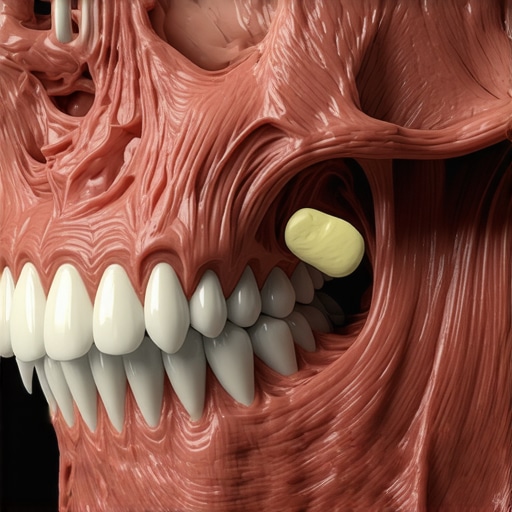
Have you ever taken a piece of gum, started chewing, and immediately noticed that annoying clicking sound coming from your jaw? I remember the first time it happened to me—caught off guard and a little embarrassed. It was as if my jaw had a mind of its own, refusing to cooperate every time I chewed. That lightbulb moment made me realize I wasn’t alone—many people experience this bizarre thing, and yet, few understand what causes it or how to fix it.
Getting To The Heart Of That Jaw-Clicking Nuisance
What if I told you that this common problem could be more than just an annoyance? In fact, clicking or popping in the jaw is often a sign that something isn’t quite right, but it doesn’t have to stay that way. Today, I’ll share my personal journey of uncovering the causes behind this issue and, more importantly, how I learned to address it effectively. The goal? To help you understand your jaw’s signals and find relief, so your next gum-chewing session is smooth and silent.
Is Jaw Clicking Just Normal Wear and Tear?
Many folks, myself included, initially dismissed jaw clicking as a harmless quirk—something that just happens with age or as a result of eating tough foods. I made this mistake early on, assuming it would go away on its own. But the truth is, persistent clicking can be a sign of underlying problems like TMJ disorder or misaligned teeth, which may worsen over time if ignored. Recognizing this was my first step toward taking better care of my oral health. Want to learn how to tell the difference? Let’s dive deeper into how these issues develop and what you can do about them.
Identify Potential Causes
Start by observing when your jaw clicks most—during chewing, speaking, or at rest. Keep a journal to track patterns and triggers. This helps differentiate between normal wear and signs of underlying issues like TMJ disorder or bite misalignment. Remember, persistent jaw clicking isn’t just minor—it can lead to further dental discomfort if ignored.
Assess Your Oral Habits
Evaluate habits that might worsen the problem, such as teeth grinding or clenching, often linked to stress. If you’re guilty of these, consider using a nightguard. I once caught myself grinding my teeth while watching TV, which contributed to the clicking. Wearing a custom nightguard from my dentist significantly reduced the noise and discomfort, serving as a simple yet effective intervention.
Adjust Chewing Techniques
When eating gum or hard foods, chew slowly and evenly, avoiding excessive force. I made a conscious effort to switch to smaller bites and gentler chewing, which helped lessen strain on my jaw. Over time, I noticed fewer clicking episodes, proving that mindful eating can impact jaw health.
Explore Dental Corrections
If misaligned teeth or bite issues cause your jaw clicking, consult a professional about restorative options. Crowns or Invisalign might be recommended to improve alignment. For example, I visited my family dentistry provider and learned that correcting my bite with Invisalign not only reduced clicking but also improved my smile. Check out [Invisalign myths debunked](https://familydentistpro.com/invisalign-myths-debunked-what-you-need-to-know-today) to understand how this treatment can fit into your needs.
Consider Cosmetic and Restorative Solutions
Sometimes, addressing worn or damaged teeth with crowns or veneers can alleviate jaw strain. Crown placement can realign bite issues; I opted for a porcelain crown after my dentist explained how it would restore proper function. For insights on choosing the right crown expert, visit [long-lasting crown advice](https://familydentistpro.com/choosing-the-right-crown-expert-advice-for-long-lasting-results). Additionally, you might explore how crowns are a game-changer in restorative dentistry, which can be enlightening.
Implement Stress-Reduction Strategies
Since stress often exacerbates jaw tension, incorporate relaxation techniques like deep breathing, meditation, or yoga. I started a short daily meditation routine, which noticeably decreased my nighttime clenching and the associated clicking. Managing stress effectively can be a game-changer in minimizing jaw issues.
Seek Professional Evaluation
Ultimately, persistent jaw clicking warrants a professional assessment. Family dentists can evaluate TMJ function, check for misalignments, and recommend tailored treatments. Don’t postpone this step—early intervention can prevent future complications. For comprehensive guidance, review [family dentistry trends](https://familydentistpro.com/family-dentistry-trends-improving-oral-health-for-all-ages). To connect with a trusted dentist, visit [Contact Us](https://familydentistpro.com/contact-us).
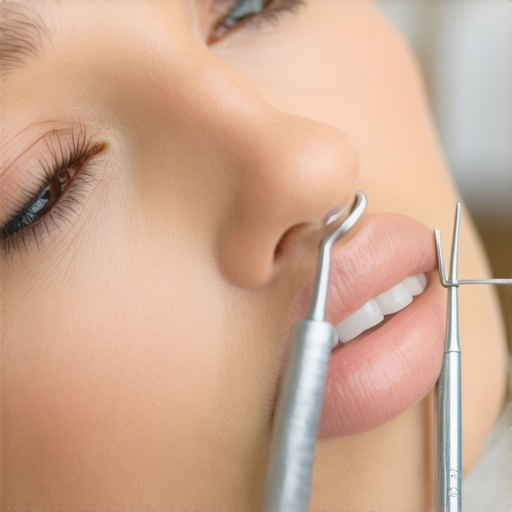 When it comes to dental care, many people hold onto misconceptions that can hinder their treatment choices and overall oral health. One widespread myth is that crowns are solely a cosmetic fix, but in reality, they play a crucial role in restoring function and protecting weakened teeth. Furthermore, some believe Invisalign is only suitable for minor orthodontic cases, yet advancements have expanded its capabilities to more complex scenarios. Let’s dig deeper into these nuances and uncover what many overlook.
Are Dental Crowns as Fragile as They Seem? Think Again.
Many assume crowns are delicate or prone to damage, leading patients to avoid them or delay necessary procedures. In truth, modern materials like zirconia and porcelain fused to metal are highly durable, often lasting over a decade with proper care. The misconception stems from outdated beliefs or anecdotal experiences, but according to recent research published in the Journal of Esthetic and Restorative Dentistry, the longevity of crowns surpasses many people’s expectations when fitted correctly by experienced professionals.
Invisalign’s Limitations: Do They Really Only Straighten Minor Cases?
While Invisalign is celebrated for its discreet design, some think it can’t handle complex orthodontic issues. Surprisingly, the technology has evolved, enabling the correction of overcrowding, gaps, and even mild bite concerns, not just cosmetic adjustments. However, this depends on case severity and practitioner expertise. A common mistake is assuming Invisalign is always suitable, which can lead patients to settle for less optimal results. For intricate cases, consulting a trusted provider—like those who follow guidance outlined in [the ultimate guide to crowns](https://familydentistpro.com/the-ultimate-guide-to-crowns-for-a-healthier-smile)—ensures the right treatment plan.
Family Dentistry: One-Size-Fits-All or Tailored Care?
Many families believe a single dentist can handle all their dental needs perfectly. While general practice covers a broad spectrum, nuanced conditions often benefit from specialists. For example, pediatric patients with orthodontic concerns may require an orthodontist, whereas restorative cases involving implants benefit from an oral surgeon or prosthodontist. Relying solely on a family dentist without understanding their scope can lead to subpar outcomes. To ensure comprehensive care, check out trends transforming family dentistry [here](https://familydentistpro.com/family-dentistry-trends-improving-oral-health-for-all-ages). Have you ever fallen into this trap? Let me know in the comments. Frequently, patients overlook the importance of consulting specialized practitioners for complex treatments, which can result in repeated procedures or extended recovery times.
The Biggest Trap: Assuming Cheap or DIY Solutions Save Money
Another common misconception involves DIY whitening or trying to fix veneers at home. Not only can these approaches compromise your enamel, but they might also worsen existing issues, leading to costly repairs later. Professional guidance ensures treatments like crowns or Invisalign are tailored to your unique needs, maximizing durability and health benefits. For insight into restoring damaged teeth safely, explore [top oral health tips](https://familydentistpro.com/top-oral-health-tips-for-your-familys-bright-smiles). Understanding the advanced nuances of dental materials, treatment technology, and specialist roles helps you make informed decisions. Remember, investing in expert care is often more cost-effective and healthier in the long run. Want to learn more about how to evaluate your dental choices? Reach out through [Contact Us](https://familydentistpro.com/contact-us). Your mouth deserves expert attention—don’t settle for myths or shortcuts that can do more harm than good.
Keeping your dental treatments, whether crowns, Invisalign, or overall oral health routines, in top shape requires not just professional care but also the right tools and methods at home. Over the years, I’ve refined a set of specific equipment and practices that help prolong the longevity of dental work and ensure my family’s smiles stay bright and healthy. Today, I want to share some of these tools and the reasons I trust them, along with predictions on where this trend is headed for smarter, more effective dental maintenance.
Priority Dental Hygiene Devices
For daily cleaning, I rely on a sonic toothbrush like the Philips Sonicare DiamondClean. Its high-frequency vibrations effectively disrupt plaque and remove debris from hard-to-reach spots, especially around crowns and orthodontic attachments, which traditional brushes might miss. The pressure sensors help prevent over-brushing, which can damage delicate gum tissues or compromise restorations. Regular use of such advanced brushes significantly reduces the risk of decay or gum disease around dental work, extending their lifespan.
Precise Interdental Cleaners
Interdental brushes such as the TePe Supreme are invaluable for deep cleaning between teeth and around crowns or bridges. Unlike standard floss, these brushes can be maneuvered into tight spaces, ensuring plaque build-up doesn’t become a problem. I prefer the smaller diameter options for those hard-to-reach areas, which I manually guide around my dental work. Incorporating these into my routine has prevented issues like staining or decay at crown margins, which many overlook.
Specialized Oral Irrigators
I recommend water flossers like Waterpik Ultra for their ability to flush out food particles and bacteria from periodontal pockets and around restorations. The pulsating water action reaches deep between teeth and beneath bridges, which traditional flossing might miss. I use it daily, especially after meals that include sticky or fibrous foods, to maintain a clean environment that promotes the healing and protection of dental work. This proactive approach helps prevent chronic gum issues down the line.
Why Consistency Matters
Using these tools consistently creates a protective barrier against common pitfalls like plaque accumulation, staining, or decay that can compromise crowns, veneers, and Invisalign trays. In fact, integrating even a simple addition like replacing standard floss with interdental brushes can make a noticeable difference in long-term results. Regular maintenance combined with professional checkups forms the backbone of durable, healthy smiles. Looking ahead, I believe the future will bring smarter devices—like AI-powered toothbrushes that monitor your brushing patterns and send data directly to your dentist—making home care more personalized and effective.
How do I keep my dental tools in top shape?
Proper maintenance of your dental tools ensures their longevity and effectiveness. Rinse toothbrush heads and interdental brushes thoroughly after each use, and replace them every three months or sooner if they show wear. For water flossers, follow the manufacturer’s instructions for descaling and cleaning to prevent mold or bacteria buildup. Having a dedicated storage space, away from bathroom surfaces where bacteria thrive, also helps keep your tools sanitary. For detailed guidelines on maintaining your dental devices, you might want to review the privacy policy of your device’s manufacturer – transparency here is crucial for safe use.
Try This Advanced Tip Today
For heightened protection against issues around crowns or restorations, I strongly recommend integrating a sonic electric toothbrush with a timer and pressure sensor into your routine. Using it twice daily ensures thorough cleaning, while the pressure sensor prevents damaging forces. Pair that with interdental brushes, and you’re actively extending the life of your dental work. Don’t underestimate the power of consistent, proper maintenance combined with the right tools—it truly makes a difference in your oral health journey. Want more personalized advice? Reach out through our Contact Us page and let’s start optimizing your dental care routine today.
What I Didn’t Expect About Crowns and Invisalign
One of the most surprising lessons I’ve learned is how interconnected dental solutions like crowns and Invisalign are with overall well-being. I used to think they were isolated treatments, but discovering their role in preventing long-term issues was a game-changer.
The Power of Personal Experience in Oral Health
Experiencing my jaw clicking firsthand taught me to pay close attention to my body signals. This awareness helped me spot potential problems early and seek targeted solutions, emphasizing that DIY fixes often fall short of professional guidance.
Trust in Cutting-Edge Resources Fueled My Confidence
Utilizing authoritative sources like The Ultimate Guide to Crowns and exploring innovative tools boosted my understanding and confidence. These resources demystify complex topics and promote informed decisions.
Recognizing the Emotional Aspect of Dental Decisions
Making choices about crowns or Invisalign wasn’t just about aesthetics—it was about reclaiming comfort and confidence. Acknowledging the emotional component helped me approach treatments with patience and realistic expectations.
Embracing Continuous Learning to Maintain Smiles
The journey highlighted that oral health isn’t a one-and-done deal. Staying informed about new techniques, materials, and care routines has empowered me to keep my family’s smiles healthy and bright for years to come.
Seek Out Trusted Experts and Personalized Care
The most valuable insight? Always consult with professionals who tailor treatments to your unique needs. Their expertise, combined with high-quality resources, provides a solid foundation for lasting oral health. To find the right guidance, visit our Contact Us page and start your personalized journey today.
Resources That Illuminated My Path Forward
- Choosing the Right Crown Expert — Ensured I trusted my provider with quality and longevity.
- Family Dentistry Trends — Guided me toward comprehensive care for every family member.
- Invisalign Myths Debunked — Clarified misconceptions and helped me choose the right orthodontic path.
Your Smile Is Worth the Investment
Remember, every step you take toward understanding and caring for your oral health is a step toward a more confident, vibrant life. Don’t let myths or misinformation hold you back—empower yourself with knowledge and trusted professionals. Are you ready to take that first step? Share your questions or experiences below, and let’s build healthier smiles together!