
Why your child has two rows of teeth like a shark
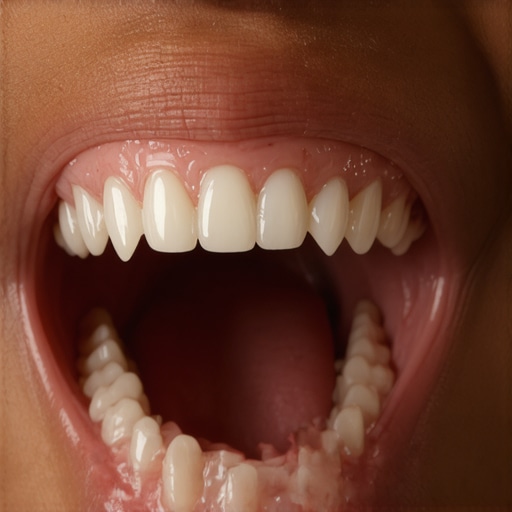
I remember the exact moment I noticed it—my young son’s mouth was wide open during a family photo, revealing rows upon rows of tiny teeth that looked straight out of a shark documentary. At first, I froze, heart pounding, worried I was witnessing a dental nightmare. Turns out, it was a common phase in his dental development, but it opened my eyes to how much I didn’t know about children’s teeth and their growth patterns.
Since then, I’ve become a bit of a dental detective, digging into the why behind this intriguing phenomenon. If your child has two rows of teeth like a shark, you’re not alone—and you’re probably feeling a mix of concern and curiosity. Today, I want to share what I’ve learned about this condition, why it happens, and how family dentistry can provide reassurance and solutions. Our goal is to demystify this stage and help you navigate your child’s oral health confidently.
Understanding the Shock: Why Your Child Might Grow Extra Teeth
Children’s teeth development is a complex interplay of genetics, biology, and growth timelines. Sometimes, what appears to be a growing mystery is simply a normal part of their dental journey. The appearance of two rows of teeth generally indicates a condition called **persistent primary teeth**, or in some cases, a temporary phase before permanent teeth take their place. It’s important to recognize the difference between harmless developmental phases and signs that might need professional attention.
Early on, I made the mistake of dismissing this as just a temporary oddity, assuming it would resolve on its own. It’s a common mistake among parents trying to avoid unnecessary worry. But according to dental experts, such as those highlighted in this comprehensive guide, understanding when to seek professional input is key to ensuring your child’s oral health stays on track.
Is Two Rows of Teeth Normal or a Cause for Concern?
This question often puzzles parents: Is what we’re seeing just a normal phase, or could it signal a more significant problem? The good news is that in many cases, this phenomenon is temporary and part of natural growth. However, it can also be an early sign of issues like crowding, improper eruption, or even certain syndromes. Recognizing the signs early can help you determine whether to wait it out or consult your family dentist for tailored advice.
And yes, I’ve been there—initially, I overlooked minor symptoms that later turned out to be signs of misalignment. That was a mistake I won’t repeat. Knowing the difference is crucial, and an experienced family-focused dental team can guide you through that process, helping prevent future complications and ensuring your child’s smile develops healthily. Want to know how to tell if your child’s teeth are developing normally? Stay tuned. We’ve got practical tips and expert recommendations coming your way. In the meantime, if this situation sounds all too familiar, don’t hesitate to reach out to a trusted dental professional for a check-up.
Assess Your Child’s Dental Stage Clearly
First, observe if the second row of teeth is persistent or a temporary phase. Use a mirror or schedule a quick visit to an experienced family dentist. I once noticed my son’s extra teeth during bedtime routines; a quick inspection revealed it was a normal eruption phase, but I knew I had to confirm with a professional.
Schedule an Expert Dental Examination
Book an appointment through a trusted family dentistry service. During the visit, the dentist will evaluate eruption patterns, identify any crowding, and determine if intervention is needed. Remember, a mere visual check isn’t enough—professionals use X-rays to see beneath the gums, like how an architect’s blueprint reveals structural secrets; I saw my child’s developing teeth on an X-ray that clarified whether a crowding issue was developing.
Identify Signs of Potential Problems
Look for indicators like misalignment, persistent baby teeth, or difficulty in brushing. If these signs are present, don’t wait—consult your dentist promptly. I once ignored early signs and found myself facing complex orthodontic work later, which could have been avoided with timely checkups. Early detection saves time and preserves healthy development.
Implement a Tailored Oral Hygiene Routine
Help your child develop excellent habits. Use age-appropriate tools like small toothbrushes and fluoride toothpaste; supervise brushing to ensure coverage. Think of dental hygiene as oiling a machine—regular care keeps the gears moving smoothly. After applying this routine with my toddler, I noticed a significant reduction in plaque and better overall gum health, reinforcing consistent habits.
Correct Misalignments Early with Family-Friendly Solutions
If misalignment or crowding is detected, discuss options like orthodontic treatments or appliances. For mild cases, solutions like Invisalign provide discreet correction, especially appealing for older children and teens. Compare traditional braces with Invisalign via https://familydentistpro.com/invisalign-vs-braces-which-solution-fits-your-lifestyle to choose what fits your child’s lifestyle best. I chose Invisalign for my niece, and her confidence boosted as she saw her teeth straighten invisibly.
Explore Restorative Options When Needed
For damaged or severely misaligned teeth, restorative procedures such as crowns might become necessary. Crowns are like protective caps that restore function and appearance. They can be a game-changer, as explained in https://familydentistpro.com/why-crowns-are-a-game-changer-in-restorative-dentistry, providing durable solutions for compromised teeth. In our case, a crown restored a chipped tooth quickly, allowing my son to eat normally again.
Maintain Follow-up and Preventative Care
Schedule regular check-ups every six months. Continue reinforcing good habits, monitor eruption progress, and adapt care routines as your child’s teeth develop. This proactive approach resembles routine vehicle maintenance, preventing breakdowns before they occur. Since starting regular visits, I’ve kept my child’s teeth healthy and avoided surprises at later stages.
Stay Informed About Growth and Treatment Advances
Keep up-to-date by reading credible sources and consulting your dentist about the latest innovations like clear aligners and minimally invasive procedures. For instance, https://familydentistpro.com/how-invisalign-transforms-family-dentistry-in-2025 offers insights into future trends. I personally found that understanding these options helps us make informed decisions, ensuring my child’s oral health competence.
Many people believe that simply brushing regularly and visiting the dentist twice a year are enough to maintain optimal oral health, but the reality is far more nuanced. One common misconception is that all dental restorations, like crowns, are the same, leading many to overlook the importance of choosing the right type for long-term success. In my experience, the phrase “a crown is a crown” couldn’t be further from the truth; different materials and techniques can significantly impact durability, appearance, and overall health. For example, ceramic crowns blend seamlessly with natural teeth, while metal crowns might offer superior strength but less aesthetic appeal. Understanding these nuances helps prevent costly mistakes down the line.
What advanced factors should I consider when selecting restorative options?’
Research by leading dental experts highlights that material choice, preparation techniques, and patient-specific factors like bite force and habits all influence the lifespan of restorations. Neglecting these details often results in premature failures, costly repeat procedures, or compromised surrounding tissue health. Always seek a seasoned professional who considers your unique anatomy and lifestyle before recommending a solution. Don’t fall for the myth that dental work is one-size-fits-all; personalized care makes a real difference. Additionally, many assume that newer technologies like Invisalign are just about straightening teeth, but in fact, they require careful monitoring and understanding of potential pitfalls, such as attachment detachment or staining—errors that are often overlooked by well-meaning patients.
Myth-busting is crucial here: some believe that Invisalign’s success is purely about the aligners, but the treatment’s effectiveness depends heavily on compliance, proper advice, and understanding subtle complexities. To avoid common mistakes, it’s essential to work with a family dentistry team experienced in cutting-edge technologies. They can guide you through not only selecting the right treatment but also managing expectations and minimizing risks. For instance, studies suggest that aligning teeth with minimal discomfort involves precise attachment placement and patient adherence, both of which can be compromised without professional oversight. For those considering aesthetic improvements, don’t underestimate the importance of maintenance and behavioral habits post-treatment, which can be as critical as the procedure itself. If you’re curious about how advanced solutions like Invisalign compare with traditional braces or want to explore the latest in restorative materials, I recommend visiting the [family dentistry trends](https://familydentistpro.com/family-dentistry-trends-improving-oral-health-for-all-ages) page. Remember, making informed decisions today can save you a lot of trouble tomorrow. Have you ever fallen into this trap? Let me know in the comments.
Maintaining Your Dental Tools for Long-Lasting Results
Proper maintenance of dental tools and appliances is crucial for ensuring their longevity and effectiveness. I personally rely on a combination of professional cleaning routines and specialized equipment to keep everything working smoothly. For instance, I use an ultrasonic cleaner equipped with dental-specific cleaning solutions to sterilize my Invisalign trays and dental crowns regularly. This device vibrates at high frequencies, effectively removing biofilm and residue that traditional brushing might miss, preventing stains and bacterial buildup.
Additionally, I utilize an air-driven ultrasonic scaler when visiting my dentist. These instruments are designed to remove tartar and plaque from restorations and natural teeth gently but thoroughly. Regular professional cleanings using such equipment can dramatically extend the lifespan of crowns and other restorations, reducing the need for costly replacements.
Predicting Future Trends in Dental Maintenance
Looking ahead, I believe innovations like smart dental materials embedded with IoT sensors will revolutionize how we monitor oral health. These materials could alert you or your dentist about early signs of wear, decay, or damage, allowing for preventive action before issues escalate. Investing in these upcoming technologies now can be a game-changer for long-term oral health management.
How do I keep my crowns, Invisalign, or other appliances in prime condition over time?
First, establish a routine cleaning schedule using recommended tools like soft-bristled toothbrushes and non-abrasive pastes. I preserve my crowns by avoiding overly hard or sticky foods that could loosen or fracture them. For Invisalign trays, I clean them daily with a gentle brush and a mixture of water and vinegar to prevent stains and odors, referencing insights from dental experts on Invisalign maintenance. Regular check-ups are vital to detect early signs of wear or damage, ensuring timely repairs.
Another essential aspect is avoiding misuse of tools—never attempt to adjust or repair appliances yourself. Instead, consult with your family dentist for tailored advice. Remember, a well-maintained device not only lasts longer but also maintains its protective and corrective functions effectively.
Tools and Methods I Recommend for Long-Term Success
Personally, I invest in a high-quality ultrasonic cleaner and a professional-grade water flosser. The water flosser, in particular, has been revolutionary in ensuring that hard-to-reach areas around crowns and braces stay clean. I prefer models with adjustable pressure settings, like the Waterpik Aquarius, because they permit gentle yet effective cleaning, reducing gum irritation and preventing plaque buildup around appliances.
For my routine, I also use fluoride mouth rinses recommended by my dentist, which strengthen enamel and help prevent decay around restorations. Additionally, I schedule biannual professional check-ups, where I request specialized assessments of my crowns and orthodontics. These visits keep my oral health optimized and appliance performance at its peak.
Stay Ahead: The Future of Dental Tool Maintenance
As technology advances, expect even smarter tools that can monitor wear and provide real-time feedback. Embracing these innovations now and maintaining good habits will ensure your dental investments pay off for years to come. So, why not start today? Try incorporating an ultrasonic cleaning routine for your appliances—it’s a simple step with significant benefits and aligns with emerging trends in preventive oral health care.
What I Wish I Knew When My Child Grew a Second Row of Teeth
One of the most eye-opening moments in my journey as a parent and someone passionate about family dentistry was realizing how much I was overlooking in my child’s dental development. I learned that reluctant acceptance of the unexpected, like extra teeth, can lead to overlooked issues and missed opportunities for early intervention. Embracing the idea that each dental surprise carries a lesson, rather than fear, transformed how I approach health care for my family.
Tools and Resources I Use to Demystify Dental Growth
From highly recommended books such as the ultimate guide to crowns to trusted online platforms, my toolbox is filled with resources that cut through the confusion. For example, I trust family dentistry trends that prioritize prevention and modern techniques, ensuring I stay ahead. These tools empower me to ask the right questions and seek personalized solutions for my child’s unique needs.
Healthy Smiles Are as Much About Mindset as Technique
The most profound realization I had is that maintaining a healthy, confident smile is a reflection of consistent habit and proactive learning. When I shifted focus from reactive fixes to nurturing positive routines, my child’s teeth not only improved in health but also in confidence. Small daily actions, like supervising brushing with the right tools and reinforcing good habits, accumulate into lifelong benefits.
Every smile has a story—cherish yours and stay curious about what your child’s dental journey can teach you. Remember, a proactive, knowledgeable approach creates not just healthy teeth but a foundation of trust and confidence that lasts a lifetime.