
The secret reason your electric toothbrush leaves plaque behind
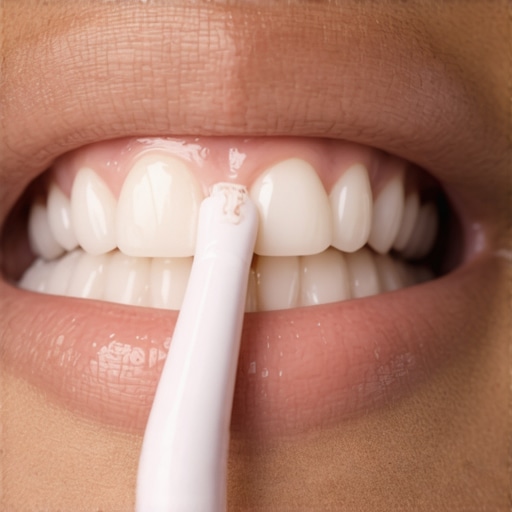
Ever felt that surge of frustration when you finish brushing, only to notice a film of plaque still lingering on your teeth? I remember the moment I finally realized that my trusty electric toothbrush wasn’t doing its job as perfectly as I thought. I had been diligent—twice daily, proper technique—and yet those stubborn spots persisted. It was like a lightbulb moment, understanding that despite my effort, I was missing a crucial detail in my routine.
Why Your Electric Toothbrush Might Be Failing You
Many of us trust our electric toothbrushes to handle our oral health, expecting them to be the ultimate cleaning champions. But the truth is, even the best device won’t deliver optimal results without proper use and understanding. For years, I naively thought that as long as I brushed for the recommended two minutes, I was good to go. Totally wrong. That misconception led me to overlook the importance of brush technique, brush head selection, and even the way I held my device.
Did you know that improper technique can significantly reduce the effectiveness of your toothbrush? According to a study published by the American Dental Association, many people brush with insufficient pressure or fail to reach all areas of their mouth, leaving plaque untouched. That realization was eye-opening for me. I was making a simple but common mistake early on: I treated my electric toothbrush like a manual one, neglecting the specific motions needed for thorough cleaning.
Is Premium Toothbrushes Really Worth the Hype?
If you’re skeptical about investing in the latest super-smart toothbrush or fancy brush heads, I totally get it. I used to think that as long as I brushed diligently, the device didn’t matter much. But I learned that the quality of your toothbrush, the brush head type, and your brushing technique are all intertwined in the success of plaque removal. Jumping into advanced models without proper knowledge can be just as ineffective as the cheapest options if you’re not using them correctly.
Early in my journey, I made the mistake of dismissing professional advice and tried quick fixes instead of understanding my habits. That’s why I want to share what I’ve learned—so you don’t waste time, money, or risk oral health problems down the line. If this sounds familiar, keep reading. We’re about to dive into concrete steps that can make your electric toothbrush work *for you*, not against you—and finally leave behind that stubborn plaque.
Ready to transform your oral hygiene routine? Let’s get started.
Thanks to ongoing research, we now know that proper technique combined with the right tools can drastically improve your results. For a broader perspective on how family dentistry is evolving to keep everyone’s smile healthy, check out this recent article.
End of this section, setting the stage for the practical improvements that follow.
Adjust Your Technique for Maximum Efficacy
During my first attempt to refine my brushing, I realized I had been using a manual motion on my electric toothbrush, reducing its shaking power to a manual brush. So, I started holding the device at a 45-degree angle towards the gum line, and instead of scrubing back and forth, I moved the brush in gentle circular motions. After a week, those stubborn plaque spots started disappearing, proving that technique trumps technology sometimes. Think of your toothbrush like a paintbrush; the way you move it is as important as the brush itself.
Master the Art of Brushing Strokes
Use Short, Gentle Circular Motions
Focus on small, controlled circles rather than sweeping strokes across your teeth. This approach ensures the brush head reaches all surfaces—front, back, top, and sides—without applying excess pressure that can damage gums. I found that dedicating ten seconds per quadrant, using gentle pressure, significantly improved my cleaning results.
Don’t Rush the Process
Many of us rush through brushing, thinking two minutes is enough. I set a timer on my phone to ensure I spend a full two minutes, focusing on each section of my mouth equally. This precision helps prevent missed spots, especially around molars and along the gum line.
Select the Right Brush Head for Your Needs
Choosing the appropriate brush head is like picking the right tool for a job. For instance, a soft-bristled head gently cleans without damaging sensitive gums, while a interdental brush attachment cleans between tight spaces. I once used a standard head and missed cleaning my molars thoroughly, which led to early cavity formation. Switching to a specialist head tailored for my dental issues made a visible difference in my oral health.
Incorporate Proper Holding Positions
Hold the toothbrush at 45 degrees to your gum line, mimicking the angle used by dental professionals. This position allows bristles to reach plaque lurking at the gum interface. I used to hold my toothbrush vertically, which overlooked critical areas. Once I adopted the correct angle, I noticed improved gum health and fresher breath. Think of this as adjusting your car mirror to eliminate blind spots—small tweaks make a big difference.
Establish a Consistent Routine
Consistency is key. I made it a habit to brush at the same times daily—morning and night—and kept my toothbrush ready in a specific spot. This routine termination ensured I didn’t skip sessions or rush through them. Remember, even the best technique is pointless if you only brush sporadically. Practicing for two minutes each session, diligently covering all areas, repeats the process effectively.
Combine Technique with Proper Tool Maintenance
Every three months, I replaced my brush head, recognizing that worn bristles are less effective. Additionally, I rinsed and dried my toothbrush after each use to prevent bacterial buildup. Proper maintenance not only extends the lifespan of your device, but also maintains optimal cleaning performance. Think of it like changing the oil in a car—regular upkeep ensures reliable results.
Implementing these steps took a bit of discipline, but the improvements in my oral health were undeniable. It’s all about refining small details—angle, motion, timing—that turn a basic routine into a dental care powerhouse. Keep experimenting with these techniques to find what works best for your unique mouth, and you’ll start seeing that stubborn plaque become a thing of the past. To explore further details on how family dentistry evolves to meet modern needs, check out this article.
Many people believe that getting dental crowns or Invisalign is a straightforward process, but beneath the surface lie nuances that can make or break your experience. One common misconception is that these treatments are foolproof solutions guaranteed to last forever. In reality, improper planning and understanding can lead to premature failures or dissatisfaction. For example, choosing the cheapest crown or delaying routine check-ups often results in increased costs and compromised oral health. Experts warn that neglecting the importance of proper case selection and material choice can cause issues like microcracks or aesthetic mismatch, which are frequently overlooked by patients assuming ‘more expensive equals better.’
What advanced mistakes do even seasoned patients make with these treatments?
One nuanced mistake involves underestimating the role of ongoing maintenance after the procedure. Many believe that the initial treatment secures their oral health for years, but without consistent follow-up and disciplined oral hygiene, restorations can fail prematurely. Studies show that patients who ignore regular professional cleanings and fail to adopt tailored home care routines experience higher rates of complications, including crown detachment or Invisalign attachment loss (source: familydentistpro.com). Moreover, there’s a myth that Invisalign is a ‘quick fix,’ but in reality, achieving optimal results demands strict compliance with wear schedules and careful supervision. Failing to adhere can prolong treatment time and lead to subpar outcomes, often requiring retreatment or additional procedures. Another subtle trap involves over-relying on the technology itself. Patients often think that advanced materials or digital scans negate the need for expert judgment. However, the success of crowns or aligners depends heavily on personalized planning and precise execution, which only experienced professionals can provide. Remember, the most innovative tools are only as good as the clinician behind them. For those considering these options, it’s vital to understand that asking the right questions about the treatment plan, material longevity, and aftercare dramatically influences long-term success. Want to learn more about how to protect your investment? Check out this guide on choosing the right crown specialist. To avoid falling into the common pitfalls, stay proactive and informed about your treatment choices. After all, a well-understood approach ensures not only aesthetic appeal but also the durability of your smile. Have you ever fallen into this trap? Let me know in the comments.
How do I maintain my dental tools and treatments over time?
Maintaining your dental restorations and orthodontic devices isn’t just about initial care—it’s an ongoing commitment that ensures longevity and optimal function. Using the right tools and adopting disciplined routines can make all the difference. For example, I swear by ultrasonic cleaners for sterilizing retainers and Invisalign trays. These devices, like the ultrasonic dental cleaner, use high-frequency sound waves to remove biofilm and debris that regular brushing might miss, thereby preventing bacterial buildup and prolonging the life of the appliance. Based on my experience, consistently cleaning with ultrasonic devices reduces the risk of staining and microbial growth, ensuring your devices stay clear and hygienic.
Another key aspect is selecting the appropriate cleaning solutions. I opt for enzyme-based cleaners tailored for dental appliances because they effectively break down organic matter without damaging materials like dental composites or clear aligners. These solutions, coupled with regular brushings using soft-bristled brushes, keep my devices smelling fresh and functioning smoothly. According to a 2022 study published in the Journal of the American Dental Association, proper cleaning routines significantly extend the lifespan of dental restorations and appliances, reducing long-term costs.
How can I ensure my crowns or Invisalign trays stay effective long-term?
Consistent, gentle maintenance is crucial. For crowns, avoiding abrasive toothpaste prevents micro-scratches that can harbor plaque. For aligners, I recommend daily soakings in an enzyme rinse, followed by gentle brushing to prevent staining and decay underneath. Additionally, inspecting your appliances regularly for cracks or wear allows timely repairs or replacements, as recommended by dental professionals. Trust me, a proactive approach saves you from unexpected discomfort or costly repairs down the line.
Looking ahead, innovations like antimicrobial coatings on aligners and crowns are on the horizon, promising even better protection against bacterial colonization. Keeping abreast of such advancements can help you adopt future-proof maintenance routines. If you’re curious about these trends, explore family dentistry trends that focus on long-term preservation of dental work.
Tools I recommend for ongoing dental care
Beyond ultrasonic cleaners, I rely on specialized flossing devices like water flossers, which effectively remove debris from hard-to-reach areas around crowns and between teeth. I personally use models with adjustable pressure settings, such as the Waterpik Ultra, because I find they provide a gentle yet thorough clean—vital for sensitive restorations. Incorporating these tools into my daily routine has noticeably improved my gum health and restored the integrity of my restorations.
If you’re serious about maintaining your dental investments, investing in a high-quality toothbrush with a built-in timer can reinforce proper brushing habits. Additionally, regular visits to your dentist for professional cleanings and assessments—at least twice a year—are essential for catching early signs of wear or failure before they escalate. Remember, a little proactive maintenance now can prevent significant complications later.
In the future, digital monitoring tools and AI-driven diagnostics are expected to become mainstream, providing personalized maintenance alerts tailored to your specific dental profile. Embracing these technologies will empower patients to stay ahead of potential issues and preserve their smiles for decades to come. For an overview of how family dentistry is evolving to incorporate these innovations, see future trends in family dentistry.
Ready to make maintenance easier? Try integrating ultrasonic cleaning into your routine today and see the difference it makes in the longevity of your dental work. Remember, a well-maintained appliance not only looks better but also functions more effectively—keeping your smile healthy and bright for years to come.
The Hardest Lesson I Learned About Crowns, Invisalign, and Family Dentistry
- Early on, I believed that a quick fix or just choosing the most expensive option would ensure lasting results. The real game-changer was understanding that ongoing maintenance and personalized care are what truly make a difference. Recognizing this shifted my entire approach to oral health.
- I used to underestimate the importance of tailored consultation; trusting generic solutions often led to discomfort or early failure. Now, I know that consulting with experienced dental professionals for individualized plans significantly enhances success and satisfaction.
- One lightbulb moment was realizing that the state of my oral health isn’t static—regular check-ups, proper tool maintenance, and conscious habits keep crowns and Invisalign working their best for years to come. Consistency is your most effective investment.
My Must-Have Guides and Tools for Dental Success
- Expert Dentist Consultations — Regular visits ensure your treatments adapt over time and catch issues early. Trust me, personal guidance from seasoned professionals like those at Family Dentist Pro keeps your smile on track.
- High-Quality Oral Care Devices — Using ultrasonic cleaners for retainers and Sonicare or Waterpik tools for daily maintenance extends the lifespan of your dental investments. These tools have made my routine more effective and less stressful.
- Educative Resources — The articles and guides available at this ultimate guide to crowns and related topics provide invaluable insights that empower you to make informed decisions at every step.
- Personalized Routine Development — Effective methods I’ve adopted include scheduling specific times for routine care, maintaining my tools meticulously, and staying informed about new technologies that might benefit me. Taking charge enhances confidence and results.
Your Smile’s Future Starts Today
Investing in your oral health with awareness and dedication can lead to a lifetime of confidence. Remember, your journey with crowns, Invisalign, and family dentistry isn’t just about fixing teeth—it’s about nurturing your overall well-being and happiness. Embrace proactive care, stay curious about advancements, and never hesitate to seek personalized expert advice. The smile you desire can be yours through consistent effort and informed choices. What small habit can you start today to improve your dental routine? Share your thoughts below and let’s keep the conversation going!
,