
Why your Invisalign attachments are falling off repeatedly
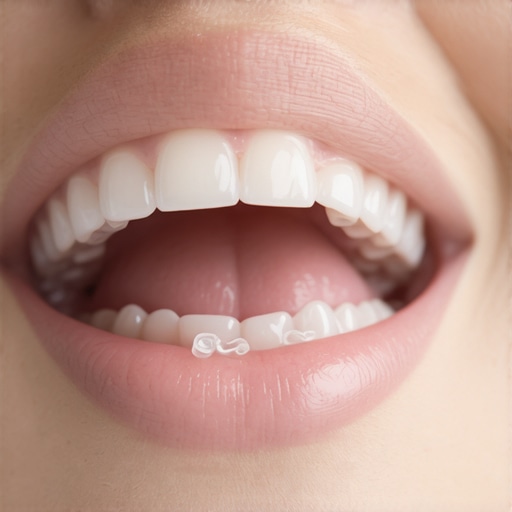
I remember the moment clearly—my dentist told me I was set for a smooth Invisalign journey, only to have my attachments start falling off within days. It was frustrating, almost disheartening, watching those tiny bonds detach just when I thought I was making progress. Have you experienced this same recurring issue? If so, you’re not alone. Many people encounter this hiccup, and I want to share my personal experience along with insights that can help you navigate this challenge effectively.
Understanding Why Your Attachments Keep Falling Off
First, let’s get real about why this happens. Invisalign attachments are small composite bumps bonded to your teeth to assist in accurately moving your teeth into the desired position. They work like tiny handles, helping the aligners apply the right amount of force. However, their success largely depends on proper bonding, your daily habits, and the fit of your aligners.
One common mistake I made early on was neglecting to follow the dentist’s advice about avoiding certain foods and habits that could compromise the bond—like eating sticky candies or failing to remove aligners properly. Over time, these small missteps can weaken the attachment’s hold, leading to premature fall-off.
According to dental professionals, a variety of factors can cause attachments to loosen or detach, including saliva contamination during bonding, inadequate curing time, or even the natural wear and tear from chewing and talking. A study published in the American Journal of Orthodontics and Dentofacial Orthopedics states that attachment failure can increase treatment time if not addressed promptly.
But don’t worry; understanding the root causes is the first step toward tackling this issue head-on. In the next sections, I’ll walk you through practical strategies to prevent your attachments from falling off and keep your Invisalign treatment on track.
Is this common or should I be worried?
It’s completely normal to worry about attachment failure, especially when it disrupts your routine. However, knowing that most failures can be minimized with proper care and communication with your dentist makes the journey much smoother. For more insights on myths surrounding Invisalign, check out this article.
So, if you’ve faced this problem, you’re in good company. Now, let’s dive into the practical steps that can help you prevent attachments from falling off and ensure your treatment stays on course.
__
Secure Your Attachments with Proper Care
To keep your Invisalign attachments firmly in place, establish a strict daily oral hygiene routine. Use a soft-bristled toothbrush and fluoride toothpaste to gently clean your teeth, ensuring no plaque buildup weakens the bond. I vividly remember using a tender toothbrush on my teeth after noticing a loose attachment—it made a significant difference in maintaining adhesion and preventing further detachment.
Master Gentle Brushing Techniques
Forceful brushing can dislodge attachments, much like trying to scrub paint off a delicate surface. Instead, use circular, gentle motions around each attachment site. I found that focusing on gentle strokes not only preserved the attachments but also improved my overall gum health, reducing irritation that sometimes accompanies Invisalign wear.
Optimize Your Dietary Habits
Eating sticky or hard foods can cause attachments to loosen, similar to how sticky caramel can pull paint off walls. Avoid caramel, sticky candies, and nuts that require excessive chewing. I once impulsively nibbled on a caramel, which resulted in a loose attachment; after that, I committed to avoiding such foods, leading to fewer detachments and smoother treatment progress.
Be Mindful During Meals and Snacks
Take your aligners out before eating or drinking anything other than water, preventing saliva contamination that affects bonding. Remember, saliva contains enzymes that can weaken the adhesive, similar to how moisture can cause paint to peel. After meals, gently rinse your mouth and clean your aligners before reinserting them.
Perfect Aligners Fit and Handle Them Carefully
Properly fitting aligners distribute force evenly, reducing undue stress on attachments. Always insert and remove aligners carefully, gripping them from the edges, much like handling fragile glassware—slow and deliberate movements prevent accidental detachment.
Learn Correct Insertion and Removal
I initially tried to force my aligners into place, which caused attachments to pop off. Once I adopted the technique of snapping them in from the back teeth and pulling gently from the front, the attachments stayed put. Practice makes perfect—consider watching tutorials or consulting your dentist for demonstrations.
Schedule Regular Check-Ups and Communicate Issues
Regular dental visits are essential for monitoring attachment integrity. If an attachment is loose, don’t wait—schedule an appointment. Communicating early prevents minor issues from escalating into major treatment delays. During my treatment, prompt attention to a loose attachment saved me weeks of potential setbacks, emphasizing how crucial professional oversight is.
Establish Open Dialogue with Your Dentist
Keep your dentist informed about any problems. A simple phone call about a loosening attachment can lead to quick fixes, like re-bonding or replacement, preventing setbacks. I learned that proactive communication saved me from big surprises and kept my treatment timeline intact.
Understand Your Role in Maintenance
Viewing your oral care as an active partnership enhances attachment retention, much like tending a garden—consistent effort yields healthy blooms. Incorporate daily habits like flossing carefully around attachments and avoiding habits like biting nails or chewing on pens that can cause attachments to weaken or fall off.
For more advice on maintaining the health of your dental restorations, visit this guide. Precise care and awareness are your best tools in preventing attachment issues, ensuring your Invisalign journey remains smooth and predictable.
 Many individuals assume they understand oral health basics, but real expertise reveals overlooked nuances that can impact treatment longevity. For example, the myth that brushing harder cleans better is widespread; in reality, aggressive brushing can erode enamel and damage gums, undermining long-term health. Dental professionals emphasize gentle, circular motions with soft brushes to preserve tissue integrity and prevent recession as highlighted in the study published in the Journal of Clinical Dentistry. Another common misconception involves crowns; many believe they are indestructible. Yet, poor oral hygiene around crowns can lead to cement failure or decay underneath, ultimately compromising the restoration’s lifespan. Proper plaque control and regular check-ups are critical—yet often neglected. When considering Invisalign, a prevailing mistake is relying solely on the aligner’s fit. In truth, attachments and compliance are equally vital; unanticipated detachment or wear can lengthen treatment unnecessarily. A secret lies in understanding that certain foods and habits, such as biting on hard objects, subtly weaken attachments and should be avoided. Advanced patients may ask, “How can I detect micro-cracks in crowns before they cause failure?” Experts recommend using specialized transillumination tools or consulting with your dentist for a detailed assessment, as pinpointed in this guide. Recognizing that many issues stem from overlooked details helps in proactive prevention. Don’t let myths or neglect undermine your oral health journey. Instead, prioritize precise maintenance routines and open communication with your family dentist. Staying informed about the nuances—like the importance of avoiding certain foods after crown placement or understanding that regular flossing around bridges prevents decay—can save you significant time and expense. Have you ever fallen into this trap? Let me know in the comments, and remember that true expertise in dentistry comes from understanding the complex details behind common practices.
Invest in Quality Equipment for Optimal Results
One of my favorite tools to keep my oral health on track is a **sonic toothbrush**. Unlike manual brushes, a quality sonic toothbrush vibrates at high frequencies, helping dislodge plaque more effectively, especially around delicate areas like crowns and Invisalign attachments. I personally use the RevoluSonic Pro because its timer ensures I brush for the ideal two minutes, reducing the risk of missed spots. Additionally, its pressure sensor alerts me if I brush too hard, which can damage gums and compromise restorations. Regularly replacing brush heads—every three months—is crucial, as worn bristles are less effective and can harbor bacteria.
Use Specialized Flossing Tools for Better Maintenance
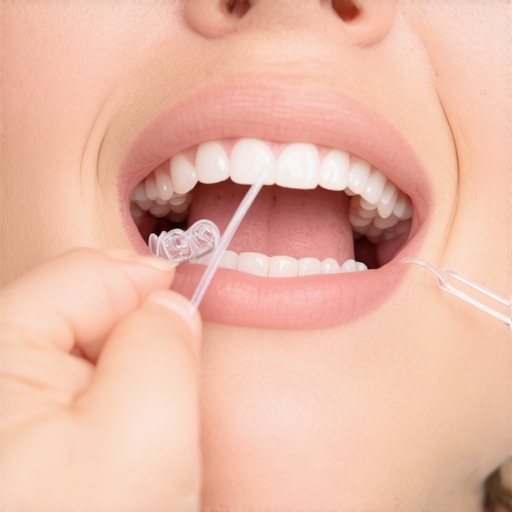
Maintaining floss between crowns and around aligners can be tricky. I prefer a **floss threader** paired with a high-quality silk floss because it allows me to clean beneath bridges and around brackets without damaging the delicate gum tissue. The ultimate crown guide emphasizes that meticulous flossing prevents decay and prolongs restoration life. I also incorporate a water flosser—like the Waterpik Sonic-Fusion—once a day to dislodge debris from hard-to-reach areas, especially after meals.
Maintain Routine Dental Appointments to Catch Issues Early
Scheduling regular check-ups—every six months—is indispensable. During appointments, my dentist inspects my restorations, assesses aligner fit, and polishes my teeth to prevent plaque buildup. I’ve learned that proactive care prevents minor issues from becoming costly problems. According to the restorative dentistry article, early detection extends the lifespan of crowns and prevents decay underneath. Don’t wait until you notice pain; early detection makes maintenance much easier and cheaper.
adapt technology to your lifestyle for better compliance
Digitized monitoring tools, like Bluetooth-enabled toothbrushes and apps, help me track my brushing and flossing habits. Syncing my SonicBrush app shows me my progress and reminds me when it’s time to replace heads or schedule a check-up. As technology advances, I foresee integration of AI-driven devices providing real-time feedback to personalize oral hygiene routines further. This trend is likely to make maintaining dental health even more seamless and effective in the future.
How do I keep my tools working over time?
Long-term success depends on consistent care of your equipment. Regularly cleaning and storing devices properly ensures they operate at peak performance. For example, I rinse my sonic toothbrush thoroughly after each use and store it upright—preventing mold growth and bacterial buildup. Similarly, replacing floss and brush heads on schedule is essential. Evaluating the effectiveness of tools through professional assessments helps identify when updates or upgrades are needed, maintaining high standards of care. For an advanced tip, I recommend scheduling periodic professional cleanings that include ultrasonic scaling—this deep cleaning removes stubborn tartar and bacteria that regular home care might miss, ensuring your tools can do their job effectively for years to come.
As we look to the future, I believe innovations like smart dental appliances and AI-driven diagnostics will revolutionize how we approach long-term oral health maintenance. Incorporating these tools now can set you on a path toward healthier, more resilient smiles. For personalized advice on selecting the best equipment for your needs, consult your family dentist—proactive maintenance is the key to sustained success in your dental journey.
Lessons I Wish I Had Known About Oral Health and Invisalign
- Sometimes the simplest habits—like gentle brushing and avoiding sticky foods—have the biggest impact on attachment longevity. I learned the hard way that rushing through oral care can lead to setbacks in treatment.
- Embracing proactive communication with your dentist isn’t just helpful—it’s essential. Addressing small issues early can prevent major delays, a truth I saw firsthand during my journey with crowns and aligners.
- Overestimating my ability to self-manage without regular check-ups was a mistake. Regular professional evaluations aren’t just routine; they’re a safeguard for long-term success with restorations and Invisalign.
- My misconception that all dental equipment lasts forever was challenged when I realized the importance of replacements—like toothbrush heads and flossers—to maintain optimal oral health.
- Understanding that materials like crowns and attachments require diligent care and avoidance of certain habits has been a game-changer. Small adjustments can significantly extend the lifespan of your dental work.
My Top Picks for Supporting Your Dental Journey
- Sonic toothbrushes (e.g., RevoluSonic Pro): I trust them because they effectively remove plaque without damaging delicate restorations, making daily cleaning easier and safer.
- Floss threaders and water flossers: These tools help me clean around crowns and aligners thoroughly, preventing decay and ensuring my restorations stay in top shape.
- Regular dental check-up schedules: Scheduling bi-annual visits has been invaluable in catching minor issues early, especially with customizable advice for crowns and Invisalign treatments.
- Educational resources on dental restorations and Invisalign: Reading trusted guides, like this comprehensive crown guide, has empowered me to make informed decisions and maintain my smile confidently.
Take Action to Your Best Smile Ever
Embarking on or continuing your journey with Invisalign and dental restorations is a commitment that rewards you with lasting confidence and health. Remember, the key lies in consistent care, open communication, and continuously educating yourself about your oral health. Don’t wait for problems to escalate—take proactive steps today to protect and enhance your smile. What’s one small change you’re willing to implement now to improve your dental health? Share your thoughts below and start building habits that last a lifetime.