
How to tell if your gum recession is from stress or brushing
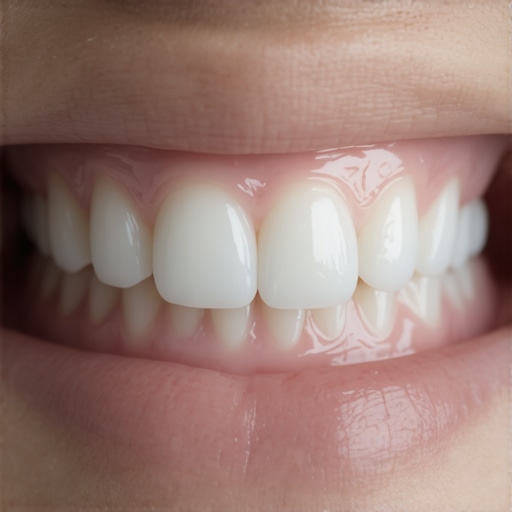
It was a morning like any other, but as I brushed my teeth, I suddenly felt a sharp, unfamiliar ache along my gumline. My heart sank. For the first time, I truly realized that my gums looked a bit different—more receded—and I wondered, “Did I do something wrong?” That moment sparked a deep dive into understanding what causes gum recession and how simple habits might be the culprit. If you’ve ever looked in the mirror and wondered whether stress or aggressive brushing is to blame for your gum issues, you’re not alone. I’ve been there too.
Why Knowing the Real Cause of Gum Recession Matters
Understanding whether your gum recession stems from stress or brushing habits is crucial. It can determine how you treat the problem, prevent further damage, and restore your healthy smile. Many folks, including myself early on, make the mistake of assuming all gum issues are from poor hygiene or genetics. But often, the root cause is a bit closer to home—literally, in how you handle your daily habits. Recognizing the difference can empower you to make targeted changes, saving you time, money, and discomfort.
Is Stress Actually a Risk Factor for Receding Gums?
It might sound surprising, but chronic stress doesn’t just affect your mental state; it can also weaken your immune system, making your gums more vulnerable to infection and inflammation—that’s a common pathway to recession. Recent studies reveal that people under persistent stress are more prone to periodontal problems, despite good oral hygiene. Conversely, aggressive brushing can physically wear down your gum tissue, creating recession even in those who brush tenderly but too vigorously. Early in my journey, I made the mistake of overzealous brushing with a hard-bristled toothbrush, which accelerated gum recession faster than I expected. Learning to differentiate between these causes has been eye-opening and invaluable.
Do you find yourself clenching your jaw during stressful days or brushing hard because you think that’s how you’re supposed to clean thoroughly? If so, you’re not alone—and recognizing these habits is the first step toward reversing damage.
Switch to a Soft and Properly Sized Toothbrush
Switching from a hard-bristled to a soft toothbrush made a significant difference in my oral health. I chose a brush with the right head size to reach all areas comfortably. Using a smaller, softer brush helped me avoid aggressive scrubbing, which is a common cause of gum recession. Remember, your goal is to clean effectively without damaging tissue; think of it like polishing a delicate piece of furniture—gentle but thorough.
Adopt a Gentle Brushing Technique
Use the Correct Motion
Instead of scrubbing back and forth vigorously, opt for gentle circular motions. I practiced this by placing my brush at a 45-degree angle to my gums and moving in small, gentle circles. This approach minimizes trauma and avoids pushing the gums away from the teeth. I also limited my brushing time to two minutes, ensuring I didn’t rush or apply too much pressure.
Implement the ‘Light Touch’ Rule
To reinforce this habit, I held my toothbrush with a light grip, almost like holding a pen. It sounds simple, but focusing on light pressure made a big difference. If you feel you’re pressing too hard, try visualizing a feather resting on your hand—if it moves, you’re pressing too hard. This technique preserves gum tissue and prevents further recession.
Optimize Your Oral Hygiene Routine
I incorporated interdental cleaning tools like soft floss and water flossers to reach tight spaces without damaging gums. Using High-frequency water flossers enhanced my cleaning without the abrasion of traditional floss. Remember, overflossing or aggressive flossing can cause gum trauma; aim for a gentle slide along the gum line, ensuring you’re cleaning without tearing tissue.
Manage Stress to Reduce Clenching and Grinding
Chronic stress often leads to unconscious jaw clenching, which exerts excessive force on gum tissue. I started practicing stress-relief techniques, such as deep breathing and meditation, to reduce these habits. Wearing a mouthguard during sleep especially helped protect my gums from night-time grinding. Find what relaxes you—this is crucial because persistent pressure contributes to recession and other oral issues.
Schedule Regular Dental Check-Ups
Visiting my dentist every six months preserved my oral health. During these visits, my dentist monitored gum health and provided personalized advice, including professional cleanings and adjustments to my routine. Regular check-ups catch early signs of recession, allowing for prompt intervention before damage becomes extensive.
Maintain a Balanced Diet and Hydration
Consuming nutrient-rich foods high in vitamin C and calcium, along with staying well-hydrated, supports gum tissue health. I reduced sugary snacks and acidic beverages that can weaken enamel and irritate gums. Think of your oral health as closely linked to your overall nutrition—fueling your body with the right nutrients maintains tissue resilience.
Be Mindful of Your Stress and Habits
Identify daily stressors and habits that might contribute to gum issues. For instance, I noticed that during stressful workdays, I clenched my jaw subconsciously. Eliminating or reducing such behaviors, coupled with mindfulness exercises, curtailed unintentional pressure on my gums. Recognize these habits—sometimes, awareness is the first step toward change.
Consult a Specialist When Needed
If you notice persistent gum recession despite good habits, consult a periodontist. In my case, a specialist offered targeted treatments, including minimally invasive procedures that helped reverse some of the damage. Don’t hesitate to seek expert advice for tailored solutions, especially if lifestyle adjustments aren’t enough.
While many believe they understand dental restorations and treatments, there are often overlooked nuances that can impact results and oral health longevity. For instance, a widespread misconception is that crowns are purely cosmetic; in reality, they serve critical functional roles, such as protecting structurally compromised teeth. Learning the difference between types of crowns—like porcelain-fused-to-metal versus all-ceramic—not only influences durability but also affects how they interact with your gums and bite. For detailed insights, see our comprehensive guide on [crowns and their benefits](https://familydentistpro.com/the-ultimate-guide-to-crowns-for-a-healthier-smile).
Another myth is that family dentistry is mainly about routine cleanings. In fact, modern family dentists incorporate advanced technology—like digital X-rays and laser therapy—to detect issues early, preventing more invasive procedures later. They also personalize care for all ages, from toddlers to seniors, ensuring that oral health strategies evolve with your family’s needs. You can explore emerging [family dentistry trends](https://familydentistpro.com/family-dentistry-trends-improving-oral-health-for-all-ages) to understand how these innovations benefit you.
When it comes to Invisalign, many think it’s only for straightening teeth, but its advantages extend into maintaining better oral health. Clear aligners are removable, making it easier to clean teeth thoroughly and reduce plaque buildup. However, some believe invisible means less effective; this isn’t true if treatment is properly managed. For advanced insights, check out [Invisalign innovations](https://familydentistpro.com/invisalign-innovations-the-future-of-family-dentistry-revealed-at-1137-am), which highlight how technology continues to improve treatment precision.
A common mistake is neglecting the subtle signs of oral health decline. For example, gums receding slightly might seem insignificant but can indicate periodontal disease in its early stages. Ignoring these signs often leads to more serious issues like tooth loss or systemic health problems. Regular check-ups with dentists who stay abreast of the latest research—such as the studies detailed [here](https://familydentistpro.com/top-oral-health-tips-for-your-familys-bright-smiles)—are vital.
Conversations about oral health often focus solely on hygiene practices, but diet plays a pivotal role. Consuming excessive sugary or acidic foods can corrode enamel and weaken restorative work like crowns. Conversely, a balanced diet rich in calcium and vitamin D supports bone and gum tissue health. Remember, your mouth reflects what you eat—so nourishing it from within is essential.
Understanding the nuances behind these common misconceptions can help you make informed decisions and avoid costly mistakes. Have you ever fallen into this trap? Let me know in the comments! Embrace modern dental knowledge, and your smile will thank you for it.Maintaining a healthy smile over the long term requires more than just good habits—it involves using the right tools and techniques consistently. One device I swear by is my electric toothbrush with multiple brushing modes, including a gentle gum-care setting. Unlike manual brushing, it delivers consistent, circular motions that effectively remove plaque without risking gum damage, which is especially important for those with a history of recession. I personally prefer the Oral-B iO series because its oscillating-rotating technology has proven superior at cleaning tight spaces and behind braces or attachments, like Invisalign buttons. This helps maintain teeth and restorative work, such as crowns, in optimal condition, reducing the need for frequent visits and repairs.
Another staple in my regimen is a water flosser, specifically the Waterpik Sonic-Fusion. It combines flossing and brushing, making it easy to clean around crowns and in between teeth, especially if your gums recede. The pulsating water gently stimulates the gum tissue and dislodges debris without abrasion. Over time, this contributes to healthier gums and prevents further recession. Regular use of these devices aligns with advice from professionals in family dentistry, emphasizing their role in long-term maintenance.
To keep track of my oral health, I use a simple dental app that records daily habits, reminds me about replacing my consumables, and schedules appointments. Staying organized ensures I don’t skip essential steps or delay necessary check-ups, which can catch potential issues early. According to recent research, integrating digital tools enhances compliance with oral hygiene routines and fosters better communication with your dentist, leading to improved outcomes.
Looking ahead, advancements like AI-driven toothbrushes capable of analyzing plaque distribution and providing real-time feedback are on the rise. These innovations could revolutionize personal oral care by making it more personalized and effective. Embracing such tools may elevate your routine and help sustain your smile for decades.
How do I keep my dental maintenance tools effective over time?
Regularly replacing brush heads and flossing nozzles, at least every three months, preserves hygiene and prevents bacteria buildup. Conducting routine checks for device wear, cleaning, and proper storage ensures longevity and optimal performance. For example, cleaning your water flosser’s reservoir weekly and replacing brush heads promptly prevents bacteria growth and mechanical failure. According to manufacturer guidelines and expert tips from [family dentistry](https://familydentistpro.com/family-dentistry-secrets-maintaining-oral-health-with-modern-techniques-at-254-pm), disciplined maintenance of your tools is crucial for sustained results. Try adopting a monthly review checklist for your devices—this small step can significantly impact your long-term oral health.
Over time, I’ve learned that the biggest lessons about crowns, family dentistry, Invisalign, and oral health come from personal experience and a willingness to adapt. One crucial insight is that early intervention can prevent small issues from becoming costly problems—regular check-ups aren’t just about cleanliness but about catching subtle signs of recession or decay before they escalate. I also discovered that integrating modern tools like water flossers and AI-powered toothbrushes makes consistent oral care more manageable and effective, a game-changer for busy lifestyles. Perhaps most importantly, understanding that proper technique and stress management are interconnected helped me realize that oral health is holistic—it reflects overall well-being. Embracing these lessons has transformed my approach from reactive to proactive, and I encourage anyone committed to a healthier smile to see their dental routine as an ongoing journey, not just a daily chore.