
Why your teeth feel fuzzy an hour after brushing
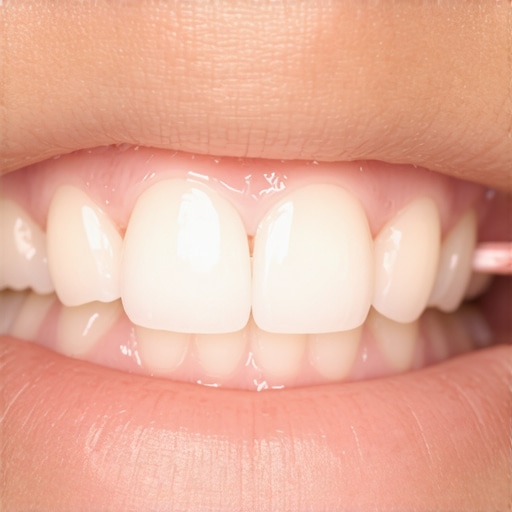
Have you ever finished brushing your teeth with a sense of satisfaction, only to notice a strange, fuzzy feeling lingering on your teeth about an hour later? I remember the first time I experienced this myself—it was baffling and a little unsettling. I brushed diligently, expecting my smile to feel fresh and clean, but instead, I felt that annoying, velvety coating that just wouldn’t go away. It was such a moment of confusion that I started digging into what might be causing this sensation.
Why Your Teeth Feel Fuzzy After Brushing: The Real Deal
This sensation isn’t just in your head; it’s often linked to the buildup of plaque, bacteria, or minerals that can accumulate on your teeth despite regular brushing. What surprised me early on was realizing that not all toothbrushes and toothpaste are equally effective at removing this film. Sometimes, the products we rely on, or our brushing technique, might not be enough to eliminate these substances completely. That fuzzy feeling can also be a sign that your mouth’s natural environment is out of balance, possibly due to dry mouth, diet, or even certain medications.
Could You Be Falling for the Hype?
When I first noticed this fuzzy feeling, I made a crucial mistake—I thought extra brushing or switching to a stronger toothpaste would solve everything right away. Spoiler: that often leads to enamel wear or gum irritation. Trust me, I learned the hard way. That’s why I want to share the insights I’ve gathered over years of trying different approaches and talking with dental professionals. And yes, we’re going to fix this problem, so your mouth can stay fresh, healthy, and comfortable.
If you’ve been battling this fuzzy feeling after brushing, I promise that there are specific, gentle strategies that can make a real difference. Let’s explore what’s really happening inside your mouth and how you can restore that smooth, clean feeling you deserve. Ready to uncover the secrets? Or maybe you’ve already faced this and want to see if your experience matches mine? Either way, keep reading—there’s a solution waiting for you.
Master Your Daily Oral Hygiene Routine
Start by choosing the right toothbrush—an electric toothbrush with a timer can make a significant difference. Use soft bristles and replace your brush every three months to prevent bacteria buildup. When brushing, hold your brush at a 45-degree angle to your gums and use gentle, circular motions—blast away plaque without damaging your enamel. Incorporate flossing right after brushing; this removes debris trapped between teeth and under the gumline, areas that a toothbrush can’t reach. I once struggled with persistent plaque buildup until I adopted this meticulous routine, which drastically improved my oral comfort and prevented gum issues.
Use the Correct Technique for a Deeper Clean
Implement the ‘Timing is Everything’
Brush for at least two minutes; a common mistake is rushing through the process. Setting a timer helps ensure thorough coverage. Follow up with interdental brushes or floss to dislodge particles in tight spots. I remember using a timer for the first time—it felt silly but motivated me to give each quadrant of my mouth proper attention, leading to fresher breath and fewer cavities.
Choose Products Wisely
Select toothpastes with fluoride to strengthen enamel and avoid harsh whitening agents that can erode your teeth over time. For sensitive teeth, look for desensitizing formulas. I once switched to a gentle, fluoride-rich toothpaste, and the reduction in sensitivity was noticeable within days.
Schedule Regular Dental Visits
Having a professional evaluate your oral health twice a year is essential. Dentists can spot early signs of decay, gum disease, or even oral cancers—conditions that often show no symptoms initially. During my routine checkup, my dentist identified a tiny cavity that I couldn’t feel; early intervention saved me from more extensive work later. Discuss your specific concerns, such as crooked teeth or wear patterns—that’s where solutions like Invisalign or crowns can help. For complex cases or long-lasting results, consult professionals who specialize in these treatments, such as those described in this crown guide.
Adopt Additional Care Strategies
Consider using mouth rinses with antibacterial properties to reduce plaque and freshen breath. Limit sugary and acidic foods, which can weaken enamel and promote decay. If you notice persistent fuzzy feelings or discomfort, don’t ignore them; these signs often indicate plaque buildup or that your routine needs adjustment. I once experienced this fuzzy sensation even after brushing, leading me to add an antibacterial rinse, which cleared the film and restored my confidence.
Enhance Your Smile with Advanced Options
For those seeking aesthetic and functional improvements, options like dental crowns and Invisalign offer durable, discreet solutions. Crowns are incredibly versatile, protecting compromised teeth and improving shape or alignment. Invisalign provides a clear alternative to braces, shifting teeth gradually with minimal disruption. To understand which option suits your lifestyle, explore detailed guides like Invisalign myths or Invisalign benefits. I personally tried Invisalign, and it transformed my confidence without the hassle of traditional braces, even fitting into my busy schedule.
Stay Consistent and Monitor Changes
Track your oral health by noting any new sensitivity, bleeding, or changes in your smile’s appearance. Use a mirror regularly to check for signs of recession or new spots. Maintaining consistency in your routine and proactive management minimizes the risk of more serious issues down the line. Remember, your mouth is an investment; proper care today equals a healthier smile tomorrow.
Even experienced dental professionals sometimes fall into common misconceptions about family dentistry, crowns, or Invisalign. Many believe that a quick appointment or a simple upgrade to their smile is all it takes, but in reality, there’s a depth of nuance that many overlook. For example, a widespread myth is that all crowns are created equal and that selecting a cheaper option won’t impact long-term health. In truth, the quality of materials and placement techniques can dramatically affect durability and tissue health, as discussed in this comprehensive crown guide.
Maintaining the longevity of family dental treatments like crowns and Invisalign requires more than just good daily hygiene; it involves using the right tools and adopting effective routines. Over the years, I’ve come to rely on specific equipment that ensures my dental restorations remain functional and aesthetic. One such indispensable tool is an ultrasonic scaler that I use weekly to gently remove plaque and tartar from around my crowns and bridges, preventing reinfection or decay beneath these restorations. Unlike standard manual brushes, ultrasonic devices penetrate hard-to-reach areas, maintaining the health of the surrounding tissue and extending the lifespan of your dental work.
Another game-changer is a high-quality water flosser, particularly the Waterpik Dream Water Flosser. It uses pulsating water streams to dislodge debris lodged between teeth and around crowns or Invisalign aligners, where traditional floss can be challenging to maneuver consistently. I personally find that incorporating water flossing into my routine not only improves my gum health but also reduces the risk of decay at restoration margins, saving me from costly repairs later on.
For those with Invisalign, I recommend using an Invisalign-specific cleaning system such as Invisalign Cleaning Crystals. Manual cleaning is insufficient to remove bacteria and stains, but these crystals dissolve in water, providing a deep clean without harsh chemicals. Regularly cleaning your aligners prevents discoloration and bacterial buildup, preserving clarity and oral health. Staying proactive with these tools means fewer visits for repairs or replacements, saving time and money in the long run.
I’m also a firm believer in digital monitoring. Using a smartphone-compatible intraoral camera, like the intraoral mirror with LED light, allows me or my patients to check the health of restorations at home. Spotting early signs of wear, microcracks, or gum recession facilitates timely professional intervention, preventing bigger issues down the line. For example, early detection of marginal decay beneath crowns can be addressed with minimal invasive procedures, prolonging the tooth’s functional life.
How do I maintain my dental restorations over time?
Routine checkups are the backbone of long-term success, but supplementing these visits with the right tools is vital. Regularly replacing your toothbrush every three months, especially after completing Invisalign treatment, ensures optimal cleaning without microbial buildup. Additionally, consider incorporating powered toothbrushes equipped with oscillating movements, proven by the latest research to improve plaque removal compared to manual brushing.
Emerging trends point toward integrating smart tech—like Bluetooth-enabled toothbrushes that track your brushing habits via mobile apps—giving you feedback for better technique. I predict that in the future, dental appliances will become increasingly interconnected, allowing seamless monitoring and maintenance remotely—making it easier than ever to ‘keep it working.’
To truly extend the life of your crowns, veneers, or Invisalign, dedicate time each day to ensure thorough cleaning with the proper tools. One tip I recommend trying today is the use of an ultrasonic scaler at home to gently clean around your restorations—it’s saved me countless visits and kept my smile shining. For personalized advice tailored to your needs, reach out through this contact page and discover how modern tech can bolster your oral health.
Lessons the Tooth Fairy Never Told Me
- Realizing that perfection isn’t about flawless teeth but about consistent care changed my entire mindset, making the journey less stressful and more sustainable.
- Investing in quality tools like ultrasonic scalers and water flossers was a game-changer—I learned that small upgrades elevate your oral health immensely.
- That stubborn fuzzy feeling after brushing was my wake-up call, teaching me that routine without proper technique can do more harm than good.
- My biggest surprise was understanding that natural oral microbiomes require balance—overzealous cleaning can upset this harmony and cause more issues.
- Patience and expert guidance trump quick fixes; trusting professionals and science-backed methods set me on a path to lifelong oral wellness.
My Top Picks for a Smile That Lasts
- Ultrasonic Scalers: I use this weekly to keep plaque at bay around crowns and Invisalign, saving me trips to the dentist. I trust this guide to choose the best options.
- Water Flossers: The Waterpik Dream water flosser effortlessly cleans tight spaces and around dental work—my secret weapon for gum health. I recommend it for anyone with crowns or braces.
- Professional-Grade Cleaners: Regular appointments combined with tools like the Invisalign Cleaning Crystals keep aligners clear and bacteria-free. Discover more in this resource.
- Smart Monitoring Devices: Using intraoral cameras at home allows me to spot early signs of trouble, making my dentist visits more effective. It’s like having a dental assistant in your pocket.
Take the Leap Toward a Brighter Future
Your smile is your signature—take proactive steps today to protect and enhance it. Whether you’re considering crowns or Invisalign, remember that consistent care, the right tools, and professional guidance create enduring confidence. Don’t wait for problems to emerge; be your own oral health champion.
What part of your oral health routine could use a little upgrade? Share your thoughts below—I’d love to hear your journey to a healthier smile.