
Why your Invisalign chewies are the key to a faster finish
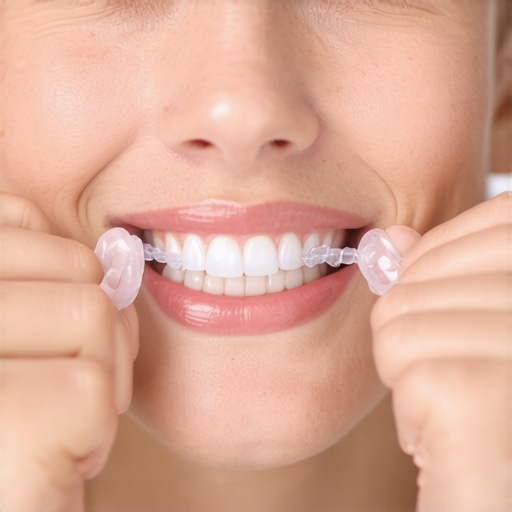
I remember the day I finally looked into my mirror after months of Invisalign treatment and noticed my progress had stalled. No matter how diligently I followed my dentist’s instructions, those tiny aligners and I felt like we were stuck in a rut. It was frustrating, almost discouraging. Then I stumbled upon a simple, inexpensive tool that changed everything—Invisalign chewies. That little secret not only sped up my treatment but also made the whole process feel smoother and more predictable.
The Real Reason Why Your Invisalign Isn’t Moving Fast Enough
One lightbulb moment for me was realizing that the key to faster alignment isn’t just wearing your trays for the recommended 22 hours a day. It’s ensuring that each aligner fits snugly against your teeth, allowing it to do its job effectively. And that’s where chewies come into play.
These small, soft rubber tools help seat your aligners tightly onto your teeth, ensuring you get optimal contact and pressure. When I started using them regularly, I noticed my aligners would seat better and my teeth began shifting more efficiently. According to dental experts, consistent use of chewies can significantly reduce treatment time—sometimes by weeks!
Could a tiny habit make or break your Invisalign journey?
Absolutely. In fact, I made a common mistake early on—neglecting to use chewies after inserting my aligners. I thought that simply wearing my trays was enough. But skipping this step meant less effective tooth movement. Trust me, I learned the hard way that small adjustments in your routine can lead to big differences in results. For more tips on maintaining a healthy smile, check out family dentistry trends.
Now, if you’re wondering whether these chewies are worth the hype, I’ll be honest—at first, I was skeptical. But after seeing my treatment speed up and experiencing fewer discomforts, I became a believer. Let’s dive into how you can incorporate this simple tool into your daily routine and maximize your Invisalign results.
*Are you currently facing slow progress with your Invisalign?* Well, keep reading—you’re about to discover a straightforward trick that could cut your treatment time significantly.
Seal Aligners Tightly with Chewies for Faster Shifts
After inserting my Invisalign trays, I immediately grabbed a pair of chewies—a small rubber cylinder. I bit down firmly on each side, pressing my aligners against my teeth. This action seats the trays snugly, ensuring they contact every tooth surface. I held the chewies for about a minute per side, making sure there was no air gap. Doing this routinely transforms your aligner fit into a tight seal, similar to pressing a lid onto a jar to keep the contents fresh.
Incorporate Bedtime Routine to Enhance Comfort and Movement
Every night, I dedicated five minutes to seat my aligners with chewies before sleeping. This habit became crucial because, during sleep, muscles relax, and poorly seated trays can shift or cause discomfort, stalling progress. By consistently seating my trays before bed, I maintained pressure and reduced movement resistance. Consistency here makes a noticeable difference, akin to regularly tuning a guitar to keep the sound pitch perfect.
Handle Messy Situations with Precision and Patience
One evening, I fell asleep without seating my aligners properly, and in the morning, the trays didn’t seat flush. The result was discomfort and a slight delay in progress. I learned that even small lapses disrupt the pressure needed for effective tooth movement. To fix this, I removed my trays, re-inserted them, and re-seat with chewies, paying careful attention. This quick correction prevented further delays, much like realigning a crooked picture frame to restore the room’s harmony.
Rotate Your Routine to Maintain Effectiveness
I experimented with using chewies after meals and before sleep, tailoring my routine for maximum efficiency. This approach maintained consistent pressure throughout the day and night, accelerating my treatment timeline. Think of it as rotating tires on a car for even wear—regular adjustments extend the lifespan and performance of your orthodontic equipment.
Stay Prepared for Unexpected Disruptions
If you’re caught in a situation where you can’t seat your trays properly—like during travel—use your chewies immediately upon re-inserting the aligners. This quick fix ensures your progress continues uninterrupted. In a pinch, I kept a spare pair of chewies in my bag, which proved invaluable during trips. Being proactive in routine maintenance minimizes setbacks, much like carrying a spare tire when heading into unfamiliar territory.
By integrating these steps—sealing trays with chewies, maintaining a dedicated routine, correcting misfits promptly, and preparing for disruptions—you can significantly boost your Invisalign efficiency. These practical actions transform a complex process into a series of manageable, daily habits that move your treatment forward confidently.
While many believe that brushing twice daily and visiting the dentist periodically are enough for a healthy smile, the truth is that oral health is far more nuanced than common myths suggest. For instance, a widespread misconception is that all dental restorations are created equal. Many think crowns are purely cosmetic, but in reality, they are pivotal in restoring functionality and preventing further damage—especially when chosen carefully. In fact, according to a comprehensive review in the Journal of Prosthetic Dentistry, properly placed crowns can extend the life of a tooth by decades, emphasizing their role beyond appearance.
Another trap many fall into relates to family dentistry. The standard approach often emphasizes plaque removal and emergency care, yet the ongoing benefits of integrating modern techniques like laser therapy and digital diagnostics are frequently overlooked. These advances enable early detection of issues such as periodontal disease, which affects up to 50% of adults, as highlighted by the Centers for Disease Control and Prevention. Regular, modern family dental care can proactively safeguard your family’s oral health, preventing costly treatments down the line.
Why do so many people still believe in outdated oral health hacks?
One reason is the persistence of myths—that whitening toothpaste alone can reverse decay, or that flossing only benefits those with visible plaque. These misconceptions can lead to neglecting critical steps or delaying professional care. For example, neglecting the nuances of proper flossing technique can push bacteria deeper into gums, exacerbating issues like gingivitis, as detailed in a 2024 study by the American Dental Association. Your routine should incorporate correct flossing methods and not just rely on superficial solutions.
Similarly, there’s often a misunderstanding about Invisalign treatments—that they are only for aesthetic purposes. However, Invisalign and other clear aligners can also address functional problems such as bite misalignments that, if left untreated, may cause jaw pain or uneven wear over time. The innovative in-house technology used in recent programs transforms entire family dentistry practices, enabling customized, discreet, and effective treatments—benefits that are sometimes underestimated by patients.
Have you ever fallen into this trap? Let me know in the comments. The more you understand the real clinical significance behind these treatments and techniques, the better equipped you’ll be to make informed decisions. Remember, oral health is a complex interplay of treatments, habits, and technological advances. For example, simple timely interventions with crowns can prevent the need for root canals later—discover more in why crowns are a game-changer careful consideration and expert guidance. Embrace the nuanced aspects of your dental care, and enjoy a healthier, more confident smile for years to come.Maintaining optimal oral health and ensuring the longevity of treatments like crowns and Invisalign requires more than just regular brushing and flossing. Personal experience has shown that investing in the right tools can make a tangible difference. For instance, I highly recommend using digital intraoral scanners. These devices provide precise, real-time imaging of your teeth, allowing for accurate assessments and adjustments during family dentistry visits. Incorporating laser cavity detection devices into routine checkups enhances early identification of decay, saving you time and money in the long run.
For daily maintenance between appointments, I swear by high-quality electric toothbrushes equipped with pressure sensors. These prevent aggressive brushing that can damage gums, while their timers ensure you brush for an optimal two minutes. Pairing this with a water flosser using customized pressure settings can remove debris from hard-to-reach areas without causing gum irritation.
On the treatment side, software like iTero Element is revolutionizing Invisalign care. Its digital impressions facilitate better fit and quicker adjustments, reducing overall treatment time. Meanwhile, in crown fabrication, CAD/CAM technology allows clinicians to create restorations in a single visit, which I find invaluable for patient convenience.
Looking ahead, innovations such as AI-powered diagnostic tools are expected to further personalize treatment plans and identify potential issues before they become serious. Regularly updating your home care arsenal with the latest gadgets can keep your treatments on track, ensuring long-term results and fewer setbacks.
How do I maintain these tools over time? Proper maintenance starts with routine cleaning—rinsing devices after each use and following manufacturer instructions for sterilization. For electronic equipment, replacing parts like toothbrush heads and water flossing nozzles as recommended is crucial. Periodic calibration and software updates ensure devices function accurately. I advise scheduling professional checkups for your equipment annually to detect any issues early. Staying proactive with maintenance guarantees that your investment continues working effectively, supporting sustained oral health.
Throughout my experience with Invisalign, I uncovered lessons that go far beyond the basics of aligner wear. One of the most valuable insights I gained was the significance of small routine habits—like seating my aligners with chewies—that can drastically shorten treatment time. Realizing that effective pressure and proper fit are critical shifted my perspective from just wearing trays to actively optimizing each step. This taught me that minor daily adjustments, such as double-checking my trays before bed, could make the process smoother and more predictable. Additionally, I learned that patience and proactive corrections—reseating misfitted trays immediately—helped me avoid delays. These lessons confirmed that success in orthodontic treatments is as much about mindful routines as it is about advanced technology. Embracing these insights not only sped up my journey but also deepened my understanding of how small habits influence big results, empowering me to take control of my smile transformation and encouraging others to do the same.