
Why your dental implant feels cold when you drink water
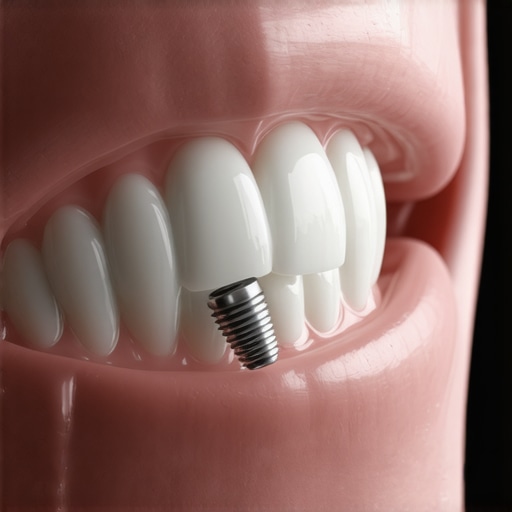
I remember the moment clearly—sipping on a cold glass of water after my dental implant was placed, only to be met with an odd, almost shocking sensation of coldness where my new tooth was. It felt like a chill ran down my spine, and suddenly I was questioning everything I thought I knew about dental implants. Was something wrong? Was it normal? These questions kept me up at night, and I realized I wasn’t alone in this mysterious experience.
Decoding the Cold Sensation in Dental Implants
Many folks with dental implants notice an unusual coldness when they drink cold beverages. This sensation can be unsettling, but understanding its roots can bring relief. The key lies in the unique way our implants interact with the nervous system and the surrounding tissues. Unlike natural teeth, implants lack the nerve fibers that typically signal temperature changes, but the surrounding tissues, gums, and the implant’s connection to bone can create unexpected sensations.
Is This Something to Worry About Really?
At first, I thought I was experiencing a complication, but it turned out to be quite common. What I learned early on is that this sensation doesn’t necessarily mean there’s an issue. However, ignoring persistent discomfort or unusual feelings isn’t advisable. A mistake I made was dismissing initial sensations as normal without consulting my dentist. That’s a mistake many make, and it’s better to seek professional advice to rule out any problems. If you’re facing similar doubts, consider reading about why your dental implant might be more visible through your gums for additional insights.
Understanding the science can help alleviate fears and guide you toward the right steps. Next, I’ll share practical solutions to manage and understand this sensation better, so you can enjoy your favorite drinks without worry.
Check for Proper Fit and Alignment
Start by assessing whether your dental implant feels comfortable and correctly aligned. A misaligned implant can irritate surrounding tissues, leading to sensations like coldness. Imagine trying to fit a puzzle piece—you want it snug but not forcing. During my own experience, I noticed that a slight shift made a noticeable difference after I visited my dentist for an adjustment.
Schedule a Professional Evaluation
Immediately consult your dentist if you experience persistent or worsening cold sensations. A dentist can examine the implant’s position and surrounding tissues, ensuring no complications like nerve irritation or infection. My visit revealed that the implant was slightly off, and a simple adjustment alleviated the sensation.
Optimize Oral Hygiene and Surrounding Tissues
Maintain excellent oral hygiene to keep gums and tissues healthy. Brushing twice daily, flossing carefully, and using an antibacterial rinse help reduce inflammation that might cause unusual sensations. Think of it as tuning a musical instrument—you need it clean and well-maintained for optimal performance. Regular professional cleanings, as described in family dentistry secrets, keep everything in harmony.
Use Gentle Temperature-Adjusting Techniques
If the cold sensation persists, try warming your beverages slightly or sipping slowly to minimize shock. Similarly, avoiding extremely cold drinks for a few days can prevent triggering discomfort. I found that sipping warm water helped reduce the chill effect during the initial healing phase.
Consider Enhancing Tissue Recovery
Support the healing process by avoiding irritants like alcohol, tobacco, or overly spicy foods. Incorporating nutrients like vitamin C and zinc can promote tissue repair. I added immune-boosting foods to my diet, which sped up healing and reduced abnormal sensations.
Stay Informed About Dental Implant Care
Educate yourself on how implants integrate with natural tissues. Resources like dental care myths provide insight into proper maintenance. Understanding the science can reduce anxiety and prevent future issues.
Remember, temporary sensations like coldness often resolve with proper care and professional guidance. If discomfort endures, don’t hesitate to revisit your dentist for tailored solutions. Managing these sensations involves diligent care, timely evaluations, and gentle habits—pinpointed steps that make a real difference in your recovery journey.
While many patients approach dental treatments with preconceived notions, there’s often a gap between popular beliefs and the nuanced realities of oral healthcare. For instance, a widespread myth is that all dental restorations, like crowns and veneers, are essentially the same; however, each has distinct materials, purposes, and longevity—understanding these differences can significantly impact your treatment choice. Similarly, many assume that invisalign treatment is just cosmetic, but recent innovations reveal its profound effects on jaw alignment and long-term oral health. Overlooking these nuances can lead to dissatisfaction or premature failures. One trap to avoid is neglecting the importance of tailored treatment plans that consider individual anatomy rather than relying solely on generic solutions. Experts warn that a one-size-fits-all approach often misses critical subtleties, resulting in suboptimal outcomes (source). For example, misinterpreting the benefits of family dentistry might lead to underestimating its role in preventive care, which extends beyond routine cleanings to encompass personalized education and early problem detection. Additionally, some believe that oral health is solely about teeth appearance, but deeper factors like bite function and periodontal health are vital for overall wellness. Recognizing these hidden aspects underscores the importance of consulting qualified professionals who understand the subtle interplay of factors affecting your smile and health. Have you ever fallen into this trap? Let me know in the comments. Remember, mastering these nuances allows you to make informed decisions and avoid costly mistakes in your dental journey.
How to Keep Your Dental Tools in Top Shape
Investing in quality tools is essential for maintaining oral health, especially when dealing with appliances like Invisalign or crowns. Personally, I rely on a ultrasonic cleaner to thoroughly remove plaque and debris from my Invisalign trays daily. This device, which uses high-frequency sound waves, ensures that my aligners stay clear, fresh, and free of bacteria, reducing the risk of oral infections and prolonging their effectiveness. Additionally, I use interdental brushes for cleaning tight spaces around crowns, as they reach areas traditional floss can’t easily access. By dedicating just a few minutes each day to these tools, I ensure optimal performance and durability of my dental restorations.
Future Trends in Dental Maintenance Technology
Looking ahead, advancements such as smart toothbrushes integrated with apps are becoming increasingly popular. These devices monitor brushing habits, pressure, and coverage, offering personalized feedback to improve your technique. For long-term results, integrating such technology can help catch issues early, ensuring your restorations and appliances remain in excellent condition for years to come.
What’s the Secret to Long-Lasting Results
One key aspect is routine professional evaluations. Regular check-ups allow your dentist to identify and address potential problems before they escalate, ensuring your crowns or Invisalign treatments serve you well over time. Remember, effective maintenance isn’t just about tools—it’s about a consistent, proactive approach to your oral health. family dentistry. Staying informed about emerging tools and methods, like the latest in laser cleaning or next-gen whitening, can also give you an edge in maintaining a healthy, brilliant smile for the long haul.
Take action today—consider upgrading to an ultrasonic cleaner for your aligners or experimenting with smart brushes to stay ahead in your oral health game. Remember, in the world of dental care, staying proactive ensures your smile remains vibrant and healthy over the years.
Embarking on a journey with dental implants taught me more than just the technicalities—it revealed subtle truths about our body’s responses and the importance of attentive care. One lightbulb moment was realizing that sensations like unexpected cold or tingling aren’t necessarily alarms but signals from your tissues, asking for gentle attention and professional evaluation. These experiences underscored the value of patience and informed patience in the healing process, reminding me that every reaction is a chapter in the story of restoring our smile and confidence.
Lessons That Changed My Approach to Oral Health
- Listen to Your Body’s Quiet Signals: Small sensations can be the first hints of harmony or trouble. Ignoring them might cost more later. Recognizing these early signs helped me seek timely advice and avoid complications.
- Personalized Care Matters: What works for one person might not suit another. Tailoring oral hygiene routines and seeking expert opinions proved essential, especially when standard advice didn’t alleviate my unique discomforts.
- Education Empowers Decisions: Understanding the science behind sensations like coldness or sensitivity demystifies the experience. Knowledge became my ally, guiding me through choices about treatments and lifestyle adjustments.
- Healthy Habits Are Lifelong Assets: Consistent hygiene, nutrition, and regular dental visits create a foundation that supports both healing and long-term wellness. Small daily efforts compound into lasting benefits.
- Embrace New Technologies: Tools such as ultrasonic cleaners or smart toothbrushes revolutionized my routine, making maintenance more effective and motivating continued care.
Tools I Rely on for Long-Term Success
- Family Dentist’s Resources: Their tailored advice and early detection strategies, shared at family dentistry tips, have been instrumental in my journey.
- Educational Guides and Articles: Staying informed through reputable sites, like the detailed insights on Invisalign myths and facts, keeps my knowledge current and accurate.
- Advanced Dental Tools: Investing in ultrasonic cleaning devices and quality oral hygiene products ensures my dental work stays pristine and functional for years.
- Community and Support: Connecting with others on similar paths has fostered encouragement and shared tips, reminding me that no one is truly alone in this journey.
Believe in Your Smile and Take Charge
Your journey with dental health is uniquely yours—embrace each discovery, seek expert guidance, and invest in tools that support your well-being. Remember, proactive habits and informed decisions make a profound difference over time. Don’t let uncertainties hold you back from enjoying life’s simple pleasures—hot or cold drinks, sincere smiles, and the confidence of well-being are worth every effort.
What unexpected sensation or lesson surprised you most during your dental journey? Share your stories below, and let’s grow together in understanding and confidence.