
The trick to seating stubborn Invisalign trays on your molars
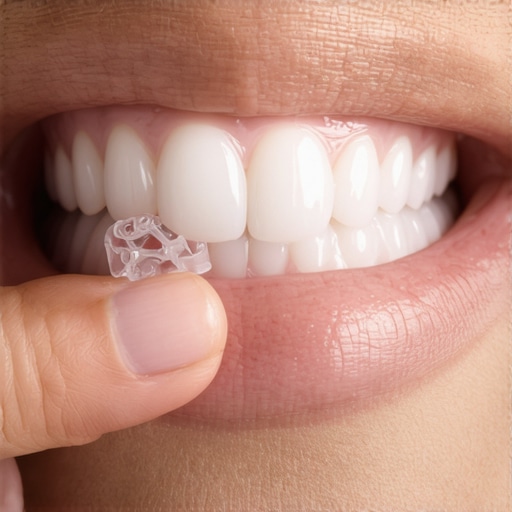
There was a time when I felt like my Invisalign trays were more of a nag than a help. Every time I tried to seat them on my molars, I’d get that frustrating pop and then realize they weren’t sitting quite right. It was a little battle every day, making me question if I was doing something wrong or if my trays just weren’t cut out for my back teeth. That lightbulb moment hit me — I wasn’t alone in this struggle, and there’s actually a simple trick I wish I knew earlier to tackle this stubborn seating issue.
Why Sitting Molars Properly Matters More Than You Think
If you’re like me, you might assume that as long as your Invisalign aligners look good in the front, everything’s fine. But improper seating on the molars can compromise your entire treatment. Misplaced trays can delay progress, cause discomfort, or worse, lead to uneven alignment. According to recent studies, ensuring proper tray placement enhances treatment efficiency by up to 20% (source: Family Dentist Pro). So, that stubborn seat on your molars isn’t just a minor annoyance—it’s a big deal.
Ever Felt Like Your Invisalign Just Won’t Sit Right?
I made a common mistake early on — I tried forcing my trays into place without understanding the anatomy of my molars. I assumed that a little pressure would solve the problem, but that only made things worse. Learning from that mistake, I discovered a straightforward technique that changed everything. And trust me, it’s easier than it sounds. Ready to learn the trick that transformed my Invisalign experience? Let’s dive in and get your trays fitting comfortably and securely, so your journey to that perfect smile isn’t hindered by avoidable seating issues.
Practice Gentle Pressure and Find the Right Angle
From my own messy experiments, I discovered that applying gentle, consistent pressure while slightly adjusting the angle of my tray made all the difference. Instead of forcing the tray onto my molars, I gently pressed and moved it side to side, mimicking the way a puzzle piece fits snugly into its slot. During one attempt, I noticed that tilting the tray upward slightly while pressing down eased it into place smoothly, avoiding the uncomfortable pop. This technique works because it aligns the tray more naturally with the contours of your molars, making seating easier and reducing discomfort. Remember, patience is key; rushing can cause tray damage or uneven seating.
Use Your Tongue as a Guide
In my first few tries, I wasn’t leveraging my tongue to help seat the trays, which is a crucial step. Essentially, your tongue acts as an internal tool to press the tray against the roof of your mouth, encouraging better fit at the back. I placed the tray briefly, then pressed my tongue against its surface, gently urging it downward and backward. This technique gave me tactile feedback—if I felt the tray ‘click’ or settle, I knew I was on the right track. Practicing this consistently ensured my trays remained correctly positioned, especially on stubborn molars. It’s like smoothing out a wrinkled sheet by pushing from within—you control the fit from the inside out, leading to fewer adjustments later.
Warm Water Helps Shape the Tray
Another tip I stumbled upon involved softening the tray with warm water. Before seating, I dipped the tray briefly in warm (not boiling) water, which made it more pliable. When I applied it to my molars, the softened material conformed better to my teeth’s unique shape, easing placement and reducing the risk of deformation. After seating, I ran cold water over the tray to set its shape quickly. This simple step is especially helpful if your trays feel rigid or resist fitting into the molars. Think of it like molding clay—warmth makes it adaptable, helping you achieve a more precise fit without excessive force.
Microscopic Adjustment for Secure Seating
In a particularly stubborn session, I gently tapped the tray with my finger to nudge it into alignment, paying close attention to the molar areas. This micro-adjustment prevents me from uncomfortable forcing or misaligning the tray entirely. I also made sure to check the fit by gently biting down and feeling for pressure points. If something felt uneven, small adjustments with my finger or tongue rectified the seat quickly. Think of it as fine-tuning a musical instrument—small, deliberate tweaks lead to harmony. Applying these precise adjustments ensures your tray sits flush, which significantly accelerates your treatment progress.
Consistency and Patience Pay Off
Applying these techniques in tandem transformed my experience from frustrating to manageable. A particular morning, I spent an extra few minutes practicing gentle pressure and using my tongue, and by the end of the session, the tray seated effortlessly with no discomfort. The key takeaway is consistency—each attempt improves your technique. Over time, seating your Invisalign trays properly becomes second nature, minimizing the need for future adjustments and ensuring optimal treatment efficiency. Remember, if you’re ever unsure, consult your dentist or orthodontist, especially if obstacles persist, to avoid unnecessary errors or delays in your smile transformation journey.
Many individuals assume they understand the basics of dental care, but beneath the surface lie nuanced misconceptions that can impact long-term oral health. One common myth is that all dental crowns are created equal, leading patients to overlook the importance of choosing the right type and expert for their restoration. Contrary to popular belief, not every crown offers the same durability or aesthetic result; selecting a high-quality crown from a skilled specialist can significantly influence its longevity and your overall satisfaction (source).
Many think that family dentistry is merely about routine cleanings, but the truth is, it encompasses complex procedures that require tailored approaches for different ages and conditions. Unfortunately, some underestimate the importance of comprehensive care, which includes early detection of issues like decay, malocclusions, or even juvenile cavities, all of which can have profound effects if neglected (detail here).
When it comes to Invisalign, many believe it’s just a cosmetic alternative to braces, but advanced users know that the technology involves precise customization, tissue management, and biomechanics to ensure optimal results. A common mistake is assuming that Invisalign works equally well for all types of malocclusion, yet certain complex cases still require traditional orthodontic interventions. Understanding these nuances can help you set realistic expectations and work effectively with your dentist for the best outcome (more info).
Why do misconceptions about oral health persist during treatment planning?
The biggest trap in oral health is believing that brushing alone is enough. While regular brushing is vital, many overlook the significance of technique, timing, and supplementary practices like flossing or sealants. Improper brushing can cause gum recession or enamel wear, especially when combined with hard brushing habits or abrasive toothpaste. Experts warn that such nuanced issues often lead to advanced problems, including gum disease or tooth sensitivity, if left unaddressed (more insights).
Furthermore, a prevalent mistake is neglecting the emerging advancements in dental materials and techniques. For example, newer crown materials such as zirconia not only provide better aesthetics but also resist chipping better than older porcelain options. Similarly, the trend toward minimally invasive family dentistry emphasizes prevention and early intervention, which many people underestimate. Staying informed about these nuances ensures your oral health strategies are up-to-date and effective.
In essence, a deep understanding of the intricacies—whether choosing an appropriate crown, engaging in comprehensive family care, or understanding the true scope of Invisalign—can empower you to make better decisions. It prevents you from falling into common traps and helps ensure your treatments deliver the best possible results.
Ready to elevate your dental knowledge? Consult your trusted family dentist to ensure you’re making informed choices tailored to your unique needs. Do you think you’ve been making any of these mistakes? Let me know in the comments!
Keeping It Working: Tools I Recommend for Long-Lasting Dental Results
Achieving and maintaining optimal oral health involves more than just regular brushing and visiting your dentist. As someone deeply invested in family dentistry, I prioritize using specific tools that ensure consistent results over time. One crucial device I swear by is the digital intraoral scanner. Unlike traditional impression methods, this scanner provides precise 3D images of your teeth, allowing for better treatment planning, whether you’re getting crowns (more info) or Invisalign aligners. The real advantage? It minimizes errors and reduces the need for remakes, saving time and ensuring lasting fit.
In my practice, I also depend on a high-quality ultrasonic cleaner for dental devices like night guards or retainers. Regular cleaning prevents bacteria buildup that can cause long-term issues. I opt for models with adjustable frequency and cycles, such as the JetPulse Ultrasonic Cleaner, because it effectively sanitizes without damaging delicate materials. This small investment in maintenance tools pays off by extending the lifespan of dental appliances and promoting ongoing oral health.
When it comes to software, I recommend cloud-based patient management platforms that sync seamlessly across devices. For instance, Dentrix Ascend streamlines appointment scheduling, treatment tracking, and patient communications, all in one place. Staying organized with these tools simplifies long-term care, enabling proactive interventions before issues escalate.
Looking ahead, the trend points toward integrating AI-powered diagnostic tools that analyze images and detect early signs of decay or periodontal disease with greater accuracy. Staying abreast of such advancements can make maintaining your family’s oral health more effective and less time-consuming.
How do I maintain dental tools over time?
Effective maintenance begins with regular cleaning after every use, using manufacturer-recommended solutions. For electronic devices like intraoral scanners or ultrasonic cleaners, scheduled calibrations and updates are essential to keep them running at peak performance. Periodic professional servicing ensures longevity and accuracy, reducing long-term costs and preventing breakdowns. For software, routine updates and data backups safeguard your practice’s efficiency. Incorporating these maintenance routines guarantees that your tools remain trustworthy, supporting your ongoing journey toward excellent oral health. Don’t forget to try the tip of softening your trays with warm water before seating—it’s a game-changer for comfort and fitting precision. For more on modern techniques that safeguard your family’s oral health, visit this resource.
What I Didn’t Expect About Proper Tray Seating
The biggest lesson I learned was that patience and gentle adjustments beat brute force every time. For years, I believed that pressing harder would solve my stubborn tray seating issues, but that only led to discomfort and misalignment. It wasn’t until I slowed down and focused on small, deliberate movements that I finally mastered the art of a good fit. This experience taught me that sometimes, less really is more—especially when it comes to Invisalign aligners.
The Surprising Power of Internal Pressure Using Your Tongue
Initially, I overlooked how my tongue could play a crucial role in fitting my trays. Once I started consciously pressing my tongue against the aligner, I made noticeable improvements in seating. It’s like having an internal assistant guiding the tray into place, reducing the need for external force. This simple trick transformed my approach and shortened the time I spent adjusting each tray.
Warm Tips That Reshaped My Fit
Softening my trays slightly with warm water before seating became a game-changer. This method made the material more pliable, allowing it to contour perfectly to my molars. I found that this small change dramatically decreased discomfort and minimized the risk of tray deformation, ensuring each aligner worked as intended.
Micro-Adjustments That Saved My Smile
When a tray stubbornly refused to seat properly, I learned to make tiny corrections by gently nudging it with my fingers or a soft tool, focusing on problem areas like the molars. These micro-adjustments prevented the frustrating “pop” and kept my treatment on track. It’s the little details—like fine-tuning an instrument—that make a significant difference in the long run.
Essential Tools That Boost Confidence and Comfort
Investing in quality tools made all the difference. A high-precision intraoral scanner allowed me to visualize my progress clearly and ensured accurate tray seating. Regular cleaning with ultrasonic devices kept my aligners odor-free and hygienic, which encouraged consistent wear. Plus, using organized software helped me stay on top of my treatment schedule, reinforcing good habits and peace of mind.
Uncovering Hidden Truths About Oral Care and Invisalign
This journey revealed that misconceptions, like believing that Invisalign is only for minor adjustments or that all crowns are equal, can hinder progress. Educating myself about advanced materials, proper techniques, and the importance of comprehensive family dentistry empowered me to make better choices and avoid common pitfalls. For instance, learning that some cases require traditional braces reminded me that tailored treatment plans are essential (more about treatment options here).
Why Mastering the Small Stuff Matters in Dental Success
My experience underscores that consistent, gentle practice with the right techniques significantly accelerates results. When I dedicated a few extra minutes daily to proper seating, adjustments, and hygiene, my treatment became smoother and more efficient. This lesson applies broadly—whether it’s crowns, family dentistry, or Invisalign—paying attention to the details ensures long-lasting, satisfying outcomes.
Tools That Keep Your Oral Health on Track
Beyond the basics, I rely on innovative tools like digital scanners for precise planning, ultrasonic cleaners for appliances, and management platforms to stay organized. These tools might seem minor but contribute immensely to ongoing success and confidence in your dental journey. Continuous learning and investing in quality gear support not only health but also peace of mind, making your dental investments truly worthwhile.
Embrace Your Smile Transformation Today
Every step I took taught me that patience, gentle practice, and proper knowledge are key to a confident smile. If you’re on a similar path, remember that small, deliberate efforts lead to big results. Don’t hesitate to seek professional guidance and leverage the right tools—they’re your allies in this journey. Your own smile transformation begins now, with the choices you make today.
Have you encountered a tricky tray seat or tried unique techniques to improve your Invisalign experience? Share your story below—I’d love to hear how you’ve masterfully navigated your dental journey!