
The 2-Minute Habit That Stops Gum Recession Before It Starts
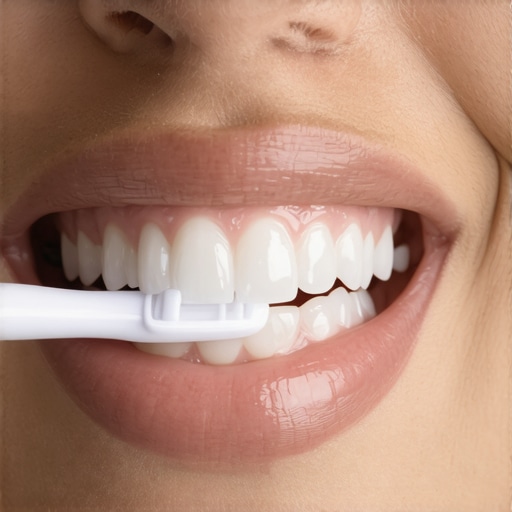
I remember the moment vividly—I was sitting in my dentist’s chair, feeling that unsettling sensation of gum tenderness, and suddenly, a flash of awareness hit me. It was like a lightbulb flickering on in my mind: I had been neglecting a tiny, simple habit that could actually prevent gum recession from advancing further. That realization changed everything—and I want to share it with you.
Have you ever experienced that sharp, post-brushing soreness or noticed your gums slowly pulling away over time? It’s more common than you might think, and left unchecked, it can lead to serious dental issues down the line. But here’s the good news: there’s a quick, easy habit—just two minutes a day—that can stop gum recession before it even gets the chance to start.
In this post, we’ll explore this powerful habit, backed by dental experts, that takes hardly any effort but offers big results. If you’re tired of hiding your smile because of receding gums, or if you’re simply looking for a way to protect your oral health proactively, stick around. I’ll show you how this simple routine made a difference in my life—and how it can do the same for you.
Why Early Action Matters When It Comes to Gums
Gum recession is often sneaky. By the time you notice it, the damage may have been happening quietly for years. This gradual process can lead to sensitivity, increased risk of cavities in roots, and even tooth loss if neglected. The reality is that early intervention is crucial, and surprisingly, a focused 2-minute habit each day can be the game-changer.
Did you know that according to the American Academy of Periodontology, about 47% of adults over 30 experience some form of gum recession? That’s nearly half of us, often unaware that we’re inching closer to more serious dental problems. Yet, many wait until they see visible signs or experience painful symptoms—by then, it’s often too late or requires invasive treatments.
Early preventive habits, however, can turn this around. One mistake I made early in my dental journey was overlooking the importance of gentle flossing and proper brushing techniques. I’d scrub hard, thinking it would clean better, but in reality, I was damaging my gums without even realizing it. Learning the right habits early on helped me avoid some of that damage—and I hope it can help you too.
So, what exactly is this simple habit? And how can just a couple of minutes daily save your gums from recession? Keep reading, and I’ll guide you through everything you need to know to preserve your vibrant smile for years to come.
Start with Gentle Brushing Techniques
My first step was revising my brushing method. Instead of scrubbing hard like I was sanding wood, I gently held my soft-bristled toothbrush at a 45-degree angle to my gum line, making small circular motions. During my attempt, I accidentally pressed a bit too hard at first, causing some gum irritation. I realized immediately—I needed to lighten my touch. This gentle approach is proven to reduce trauma to your gums, helping prevent recession.
Practice the ‘Smile and Sweep’ Motion
This involves smiling to stretch your lips and then sweeping the brush along the gum line softly, moving from the back molars to the front incisors. I recall doing this in front of a mirror, trying to stay conscious of my pressure. At first, I was hesitant, unsure if I was doing it right, but within a week, my gums felt healthier, and the sensitivity lessened.
Incorporate Daily Gums Massage
My second critical move was massaging my gums with my fingertip after brushing. Using clean, circular motions, I pressed lightly on my gum tissue, stimulating blood flow and promoting tissue health. I practiced this while watching TV—just a quick 30 seconds per quadrant. It felt odd initially, but I noticed a marked improvement in gum firmness and reduction of tenderness over days.
Use the Proper Flossing Technique
Most of my previous flossing was aggressive—ripping between teeth with snap motions. Instead, I gently slid the floss down to the gum line, curving it into a C-shape around each tooth, then lift it out with a gentle glide. This method prevents damaging delicate gum tissue. Implementing this practice, I avoided the bleeding episodes I used to experience and kept my gums healthy.
Choose the Right Oral Care Products
I transitioned to a toothpaste designed for sensitive gums, containing soothing ingredients like aloe vera. I also avoided whitening strips that could irritate gum tissue. Regularly switching to a soft-bristled brush and an anti-gingivitis rinse further supported my goal of avoiding recession.
Adjust Your Daily Routine Gradually
Initially, I struggled with making these changes, often slipping back into my old habits. So, I set small, achievable goals—focusing on perfecting my brushing technique first, then adding gum massage. Over a month, these minor adjustments became second nature. This gradual evolution ensures consistency without feeling overwhelming, promoting sustained gum health.
Adopt Reminders to Sustain the Habit
I used post-it notes on my mirror, reminding me to be gentle and thorough. Eventually, the habit became instinctual, requiring less mental effort. The key was persistence—these simple step-by-step actions, performed daily, created a preventive barrier against gum recession.
Many assume that family dentistry is simply about routine cleanings, but in reality, there’s a wealth of nuanced knowledge that many overlook. For instance, a common misconception is believing that all crowns are alike, but as detailed in our comparison of crowns versus veneers, choosing the right type can significantly impact both functionality and aesthetics. It’s crucial to understand that crowns aren’t just cosmetic fixes; they often serve as a foundation for restoring damaged teeth, enhancing long-term oral health.
Next, there’s the myth that orthodontic solutions like Invisalign are suitable for everyone. However, advanced cases involving complex misalignments may require traditional braces or other interventions. Recent innovations, as discussed in our review of Invisalign technologies, reveal that selecting the appropriate orthodontic approach depends on precise evaluation and individual needs. Overlooking this nuance can lead to ineffective results or prolonged treatment times.
Are Invisalign Aligners a One-Size-Fits-All Solution for Complex Corrections?
This is a common question among patients considering orthodontics. While Invisalign is revolutionizing family dentistry by offering discreet, removable aligners, it’s not the best fit for every dental issue. Severe malocclusions or significant bite corrections might demand more traditional methods. Expert assessments, such as those in our guide to choosing the right crown specialist, emphasize the importance of personalized treatment planning to ensure longevity and effectiveness. Failing to recognize these distinctions can result in subpar outcomes and the need for further corrective procedures.
Furthermore, we often hear that all dental crowns are purely cosmetic. Truth be told, as our article on crowns’ role in restorative dentistry highlights, they play a vital part in restoring tooth strength, preventing further decay, and maintaining oral function. Modern materials and techniques have made crowns more durable and natural-looking, making them a true therapeutic asset when applied correctly.
In the realm of family dentistry, staying informed about these nuanced differences can empower you to make better decisions for your oral health. Remember, choosing the right treatment isn’t just about appearance but about fostering long-term wellness. Regular consultations with your dental professional can help navigate these complex choices effectively. For additional insights on integrating these advanced practices into your routine, explore our comprehensive guides, or reach out to our experts through our contact page.
Maintaining your oral health over time relies heavily on the right tools and techniques. Personally, I swear by a combination of high-quality equipment and disciplined routines that have stood the test of time. For example, I use a sonic toothbrush like the Philips Sonicare DiamondClean because its ultrasonic vibrations effectively remove plaque even in hard-to-reach areas, reducing the risk of gum recession. Additionally, I incorporate a water flosser such as the Waterpik Aquarius, which has been shown in studies to improve gum health more effectively than string floss alone (source: Journal of Clinical Dentistry). This device helps me clean around crowns and orthodontic appliances seamlessly, especially when navigating tight spaces.
For maintaining aligners like Invisalign, I rely on gentle cleaning with Invisalign-specific cleaning crystals. These solutions are designed to eliminate bacteria and stains without damaging the material, ensuring my trays stay clear and odor-free. I also recommend using a soft-bristled, electric toothbrush for daily brushing, as it encourages consistent and gentle motion, aligning with best practices outlined in the American Dental Association guidelines.
Long-term success also depends on routine check-ups and the use of digital appointment reminders through my dental app. These tools help me stay vigilant, identify issues early, and prevent minor problems from escalating. Remember: regular professional cleanings are essential, but coupling them with these personal tools maximizes results.
Looking ahead, the future of family dentistry points toward smarter devices. Innovations like AI-powered toothbrushes that analyze your brushing habits in real-time are on the rise, promising even more personalized care. As predicted by dental technology experts, integrating such smart tools could revolutionize oral health routines in the next few years.
How can you keep your dental tools effective over time? Regular replacement of brush heads every three months, consistent sterilization of trays and tools, and staying updated with the latest in dental tech are key. For example, cleaning your Invisalign trays with a dedicated ultrasonic cleaner can prolong their lifespan and hygiene—an advanced tip I highly recommend trying.
If you’re interested in boosting your long-term results, I suggest starting with a top-tier sonic toothbrush and water flosser, then integrating smart tech solutions as they become more accessible. Your smile deserves this level of care and foresight. For more tips on modern techniques, check out our comprehensive guides, or contact us through our [contact page](https://familydentistpro.com/contact-us).
3 Lessons That Shifted My Whole Approach to Family Dentistry
One of the biggest surprises I encountered was how overlooked the power of gentle, intentional habits truly is. For example, I used to think that brushing harder meant cleaner teeth, but I learned the hard way that softness and precision can prevent gum recession and tooth damage. This lightbulb moment made me realize that small changes in technique—like mastering the 45-degree angle or adding a quick gum massage—can dramatically improve outcomes.
Another lesson was understanding that early intervention **saves a fortune and pain** down the line. Waiting for symptoms to appear often means more invasive treatments. So, I adopted a proactive routine, including regular flossing, using the right tools, and staying informed about the latest treatments, which has made my family’s dental visits feel more like maintenance than crisis management.
Lastly, I discovered that **every family member’s oral health journey is unique**. From kids learning to brush, to seniors managing sensitive gums, personalized care just works better. Embracing this diversity in routine and tools, like choosing the best crowns or orthodontic options, allows us to stay ahead of potential issues. For insights on choosing the right dental solutions, visit this guide on crown selection.
My Go-To Tools Fueling Better Oral Health
Over the years, I’ve curated a set of trusted tools that genuinely improve family dentistry outcomes. My favorite is the Invisalign smart trays which make orthodontic correction less intimidating and more efficient. For daily cleaning, I rely on a sonic toothbrush like the Philips Sonicare DiamondClean because it’s gentle yet effective, reducing the risk of gum recession.
For hard-to-reach areas, the Waterpik Aquarius water flosser has been a game changer in preventing gum disease, especially around crowns and implants. These tools complement professional care and make a real difference. Beyond gadgets, I also read expert-authored books such as “Transform Your Smile” which deepened my understanding of restorative dentistry techniques.
Staying updated with latest tech and treatment options from reputable sources like our family dentistry trends article helps me make informed choices for my family’s oral health. Continually investing in knowledge and quality tools is how I keep our smiles bright and healthy.
Let Your Heart Lead Your Dental Decisions
The journey into better family dentistry isn’t just about tools and techniques; it’s about embracing a mindset of care, consistency, and proactive engagement. I encourage you to start small—perhaps with adjusting your brushing technique or scheduling a check-up—and let that momentum grow. Remember, each positive step not only preserves your teeth and gums but also boosts confidence and happiness.
If you’re ready to take control of your family’s oral health, explore our detailed guides or reach out to a trusted professional. Your future self will thank you—the smile you nurture today will brighten countless tomorrows. Feeling inspired? Share your own family dentistry lessons or questions below and join the conversation!