
How to Clean Your Toothbrush Without Melting the Bristles
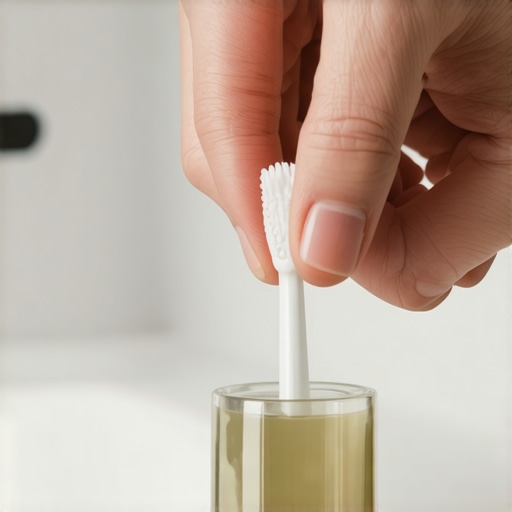
Ever find yourself frantically searching for your toothbrush in the morning, only to realize it’s become a soggy, questionable mess? I’ve been there more times than I can count, especially during those rushed mornings when I just want to get out the door. Sometimes, I’ve even caught myself wondering if my toothbrush’s bristles are slowly melting from all the cleaning hacks I’ve tried—hot water, boiling, you name it. It’s a frustrating cycle: clean your toothbrush, damage the bristles, then wonder if it’s truly hygienic at all.
Why We Need a Better Way to Clean Our Toothbrushes
Keeping your toothbrush bacteria-free is crucial for maintaining oral health. An unclean toothbrush can harbor germs, mold, and bacteria that may cause infections or gum issues. But here’s the kicker: many common cleaning methods can unintentionally damage the delicate bristles, making your toothbrush less effective or even unusable over time. I used to think that boiling or using harsh chemicals was the way to go, only to discover I was actually deteriorating my toothbrush faster than I could replace it. The good news? There’s a smarter, safer approach that preserves your toothbrush—and your smile.
Is Overheating Your Toothbrush Actually Worth the Hype?
It’s understandable to want the deepest clean possible, but I made the mistake early on of thinking that soaking my toothbrush in boiling water was a good idea. Turns out, high temperatures can weaken the bristles and cause them to curl or melt—defeating the purpose of cleaning in the first place. According to dental experts, gentle cleaning methods are not only safer but just as effective. Want to learn how to keep your toothbrush pristine without risking damage? Stick around, because I’ll walk you through proven techniques that you can trust.
Gentle Washing Methods for a Fresh Toothbrush
Start by rinsing your toothbrush thoroughly with warm water after each use to remove residual toothpaste and debris. I remember the first time I tried soaking my toothbrush in boiling water, thinking it would sterilize it. Instead, I watched as the bristles curled and became frayed—the result was a damaged brush that no longer cleaned effectively. Now, I use a simple rinse and a periodic soak in a mixture of water and a small amount of vinegar, which helps eliminate bacteria without harming the bristles. This method is both safe and effective for maintaining oral hygiene.
Choosing the Right Cleaning Solution
Use a mild, antimicrobial mouthwash diluted with water to disinfect your toothbrush once a week. I once dipped my brush directly into mouthwash, expecting it to be super effective. But, I realized that overdoing it can weaken the bristles over time. Instead, a quick soak for about five minutes optimizes bacteria elimination without damage. Another trick is to occasionally soak your toothbrush in hydrogen peroxide, which acts as a powerful disinfectant—just ensure to rinse thoroughly before using. These steps help keep your toothbrush germ-free without risking damage to the bristles or the handle.
Proper Storage to Prevent Bacterial Growth
Store your toothbrush upright in an open space to air dry between uses. I used to keep mine in a closed cabinet, which created a damp environment perfect for mold and bacteria. After learning that, I started placing my toothbrush in a holder that allows airflow, mimicking a natural drying process. If you share a bathroom, ensure each toothbrush has its own holder and avoid keeping them touching to prevent cross-contamination. Letting your toothbrush air dry not only prolongs its lifespan but also reduces the microbial buildup that can cause oral health issues.
Replacing Your Toothbrush at the Right Time
Switch out your toothbrush every three to four months or sooner if the bristles fray. I once kept a toothbrush for over six months, noticing it became less effective and accumulated discoloration. Recognizing the signs of wear helps ensure you’re not using a toothbrush that’s lost its cleaning power. Additionally, after recovering from an illness, it’s wise to replace your toothbrush to prevent re-infection. Remember, a fresh brush is an investment in your oral health, just like the crowns we’ll discuss next for restoring damaged teeth—more on that at this guide.
Incorporate Regular Deep Cleaning
Once a month, sanitize your toothbrush by soaking it in a solution of water and hydrogen peroxide or placing it in a UV toothbrush sanitizer if you have one. This extra step is similar to how orthodontic appliances like Invisalign need special care to prevent bacteria buildup, as discussed in these tips. Just like with dental crowns, maintaining cleanliness prolongs the life and effectiveness of your tools, ensuring your oral health stays optimal.
While many individuals believe they understand the basics of dental care, there are nuanced truths that often go unnoticed or misunderstood. For instance, a prevalent myth is that dental crowns are only for cosmetic reasons; in reality, they play a vital role in restoring function and preventing further decay, as detailed in this resource. Additionally, a common mistake is assuming that Invisalign aligners are purely aesthetic—they also facilitate better oral health by addressing misalignments that trap plaque and bacteria, a breakthrough highlighted in this article. One seductive misconception is that traditional braces are outdated, but advanced innovations in orthodontics now make options like Invisalign more effective and versatile, as explored here: latest trends. Many people also underestimate the importance of personalized oral health routines, assuming universal solutions suffice; however, customized care plans optimize results for each family member. For example, the subtle differences in gum health between individuals necessitate tailored approaches, a topic covered in this post. An advanced nuance is the risk of over-relying on mouthwash—their overuse can disturb the natural microbiome of your mouth, leading to issues like dry mouth or altered pH levels, as supported by studies in this research. Recognizing these finer points can dramatically improve your oral health strategies, especially for families aiming to maintain long-term dental wellness. Have you ever fallen into this trap? Let me know in the comments. Staying informed about subtle but crucial details ensures that your family’s dental care is both effective and sustainable.
Keep It Running: Tools I Recommend for Long-Term Oral Care
Maintaining excellent oral health is a commitment that extends beyond just visiting your dentist. Having the right tools at home ensures that your family’s smiles stay bright and healthy over the years. I personally swear by a few specific items that have revolutionized my daily routine, making maintenance easier and more effective.
Invest in an Advanced Electric Toothbrush
For me, switching from manual brushes to an electric model was a game-changer. I recommend the Oral-B Genius X because it offers AI-powered brushing guidance and built-in timers. It ensures I brush thoroughly for the recommended two minutes, targeting plaque buildup in those hard-to-reach areas. Moreover, models with oscillating-rotating technology outperform manual brushes in removing plaque, according to recent studies published in the Journal of Clinical Dentistry.
Utilize a Sonic Water Flosser
While traditional floss has its place, I find a sonic water flosser like the Waterpik Sonic Fashion far more effective, especially for family members with braces or crowns. Its pulsating stream dislodges debris from tight spaces and along gum lines, reducing bleeding and inflammation. Regular use of this tool has improved my family’s gum health significantly, making scheduling routine cleanings less intensive.
Choose an Effective Tongue Cleaner
Bad breath can often stem from bacterial buildup on the tongue’s surface. I recommend a metal tongue scraper like the Purevent Tongue Cleaner. Incorporating daily tongue cleaning into my hygiene routine rid my mouth of that coated feeling and freshened my breath. It’s a quick step that offers noticeable results, keeping bacteria at bay between dental visits.
Occasional Use of UV Sanitizers
To keep my toothbrush germ-free, I rely on a UV sanitizer like the iSonic UltraViolet. Regular sanitizing not only extends the life of my brushes but also reduces microbial transfer. An interesting note comes from a recent study in the American Journal of Infection Control, highlighting that UV sterilization effectively reduces bacterial load on dental appliances.
Prediction: Future of Dental Maintenance
Advances in smart technology are making at-home dental care smarter and more personalized. I foresee AI-integrated brushes and Bluetooth-enabled water flossers becoming standard, providing real-time feedback and tailored routines. This shift will likely result in even more effective prevention strategies, reducing the need for invasive procedures down the line.
How do I keep my dental tools performing over time?
Beyond choosing quality equipment, consistent maintenance is key. Regularly replacing brush heads every three months and cleaning water reservoirs weekly prevents bacterial buildup. Remember, proper storage also matters—keep your tools in a clean, dry place where they can air dry thoroughly, just like your toothbrushes in an open cup. Incorporating these habits ensures your tools remain effective and hygienic, supporting your family’s journey toward lasting oral health.
Now, I challenge you to try one of these advanced tips—like integrating a UV sanitizer into your routine—and experience the difference it can make. Your family’s smiles deserve the best maintenance possible.
What I Wish I Knew When Starting My Oral Health Journey
One of the biggest lessons I learned is that even the most sophisticated tools can’t compensate for inconsistent habits. I used to think that owning high-end toothbrushes and gadgets would guarantee perfect oral health, but I realized that regular, mindful routines are far more impactful. Additionally, trusting simple remedies over professional advice can backfire; DIY solutions sometimes overlook underlying issues that only a dentist can identify. Finally, I discovered that patience and continuous learning—like reading trusted resources—are essential to making lasting improvements in family dental care.
Brushing and Flossing Are Just the Beginning—Here’s What Really Works
Investing in quality tools, such as an advanced electric toothbrush and sonic water flosser, has transformed my family’s oral health. These tools, trusted for their proven effectiveness, make daily routines effortless and thorough. For instance, I rely on the Waterpik Sonic Fashion because it reaches places traditional floss can’t. Combining these with regular deep cleaning sessions, like sanitizing toothbrushes with UV sterilizers, creates a comprehensive defense against bacteria. Choosing the right tools isn’t just about convenience—it’s a strategic move to sustain long-term oral wellness.
Harnessing Innovation to Keep Smiles Bright
Looking ahead, the future of family dentistry is exciting—smart, personalized devices are becoming the norm. AI-driven brushes and Bluetooth-enabled water flossers will soon provide real-time feedback, empowering families to optimize their routines. Incorporating these innovations into your daily care can significantly reduce the risk of cavities and gum disease, transforming the way you approach dental health. Staying informed through trusted sources like this article helps you stay ahead of emerging trends and technologies.
A Final Insight: Personalize or Plateau
One profound realization I had is that a generic oral health routine often falls short for families with varied needs. Tailoring dental care—whether it’s choosing specific toothbrush heads for sensitive gums or scheduling professional cleanings based on individual risk factors—can make a noticeable difference. Remember, progressing in oral health isn’t just about following trends but understanding your family’s unique requirements. This personalized approach ensures that your efforts lead to healthier, happier smiles for years to come. For more tips on customizing your family’s oral routine, explore this resource.
Don’t Let Complacency Hold Your Family Back
Your family’s smiles are worth the effort—embrace smart tools, stay informed about innovations, and personalize your routines. The journey to long-lasting oral health is ongoing, but with each mindful step, you’re investing in their confidence and well-being. Remember, the small daily habits you cultivate today will pave the way for radiant smiles tomorrow.
What’s one new family dental habit you’re excited to try this month? Share your thoughts below—I’d love to hear your stories!
,