
Why Your Invisalign Tray Keeps Bouncing Off Your Molars
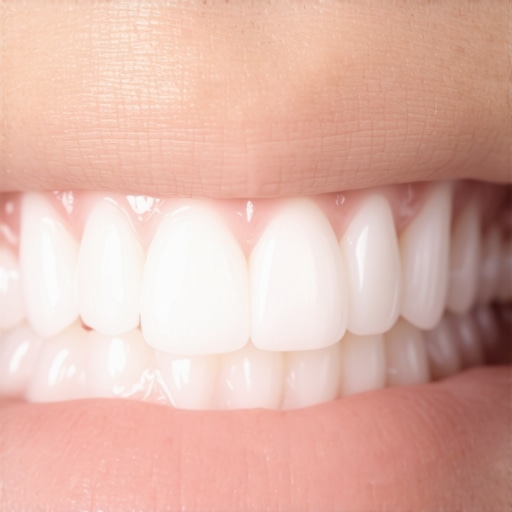
Ever found yourself miserably biting down, only to feel that annoying pop as your Invisalign tray slips right off your molars? I remember the first time it happened to me—my heart sank. It was right in the middle of a meeting, and suddenly my Invisalign seemed to have a mind of its own, bouncing off those back teeth like a rebellious teenager. It was frustrating, embarrassing, and honestly, a bit disheartening. The truth is, I wasn’t alone in this struggle—and that lightbulb moment made me realize I wasn’t doing something right.
The Hidden Cause Behind Your Tray Falling Off
After countless research sessions and trial-and-error, I discovered that this issue isn’t just about poor fit or careless handling. It’s a common problem caused by improper seating on the molars, often because of how the tray interacts with the uneven contours of the back teeth. When your tray doesn’t seat snugly on those molars—either because of alignment issues, tray warping, or incorrect insertion techniques—it becomes prone to slipping off with even minimal pressure. And let’s be honest—life doesn’t slow down just because you’re wearing Invisalign.
So, what will I show you today? We’re going to uncover the precise reasons behind this bouncing problem and, more importantly, share practical steps to improve tray seating—so you can avoid this disruptive issue and keep your treatment on track. Because a well-fitted tray equals more comfort, better results, and less stress.
Is This Problem Actually Wrecking Your Progress?
I used to think that minor slips didn’t matter as long as I was wearing my trays most of the time. Big mistake. I later learned that repeatedly not seating your tray properly can delay your treatment and even cause discomfort or damage. Early on, I made the mistake of rushing through insertions without checking my fit, which only made the problem worse. Trust me, taking a few extra seconds to seat your tray correctly is worth every effort—and it’s a step most people overlook.
Research shows that improper fitting trays can reduce Invisalign’s effectiveness by up to 50%, leading to longer treatment times. That’s a statistic I don’t take lightly anymore. Want to ensure your trays stay put and work their magic? Keep reading, because I’ve got some proven tips to help you lock those trays in place and keep your smile on the right path.
Now, let’s dive into the practical steps that can make a real difference in your Invisalign journey and put an end to those frustrating tray bounces.
Ensure Proper Insertion to Lock Trays in Place
Start by rinsing your trays with warm water to soften any residues that might cause slipping.Place the tray over your teeth, aligning it with your gums, then press down firmly, starting from the back molars to the front.
In my experience, gently pushing the tray onto the molars first creates a better fit, much like fitting two puzzle pieces together snugly. I once struggled for minutes until I realized that starting from the front only led to partial seating, increasing the chance of slipping during the day.
Use Cues to Confirm Proper Seating
Check the Bite Alignment
Once in, gently bite down and hold for 5 seconds, ensuring the tray feels secure and comfortable. A misaligned tray feels loose or causes discomfort—think of trying to put on shoes that are a size too small; it just doesn’t seat properly.
I remember a time I felt my tray was too loose, but upon re-positioning, I realized I hadn’t pushed it onto my molars correctly. After adjusting, the tray stayed put much better.
Apply Gentle Pressure for Complete Seating
Use your fingers to apply light, even pressure along the sides of the tray, especially over the molars. This ensures it fully molds to your dental arches, reducing the risk of slipping.
This small step made a huge difference. For days, I had been experiencing tray slips, but applying gentle pressure during insertion dramatically improved retention.
Simplify Your Routine for Consistent Fit
Incorporate a routine check before leaving the mirror, making sure the tray isn’t crooked or partially seated. Think of it like a pilot performing a pre-flight check—every detail matters.
I personally developed the habit of inspecting my trays with a quick visual check, which caught small misalignments before they caused issues during the day.
Adjust for the Natural Shape of Your Molars
If your molars are uneven or oddly shaped, consider temporary modifications. Using a small amount of dental wax or orthodontic putty on the tray can help it seat more securely.
Once, I used a tiny dab of orthodontic wax on a high cusp molar, and my tray fit perfectly without slipping. However, always consult your orthodontist before trying alterations.
Plan for Ongoing Maintenance
Regularly clean your trays and inspect for warping or cracks. Damaged trays won’t seat properly and can cause discomfort or derail your treatment.
I learned this the hard way when I ignored minor warping and experienced frequent slips. Replacing damaged trays maintained proper fit and improved my confidence during wear.
By applying these precise steps—starting with correct insertion, confirming proper seating, adjusting for unique tooth shapes, and maintaining your trays—you can significantly reduce the chance of your Invisalign slipping off your molars. Remember, proper fit isn’t just about comfort; it directly impacts the effectiveness of your treatment. For more insights on how innovations are transforming the field, check out Invisalign innovations and future trends.
Many people assume they fully understand the basics of family dentistry, crowns, and Invisalign, but beneath the surface lies a web of nuanced misconceptions that can impact your oral health. One common myth is that if a dental treatment seems to work initially, then it will always be effective long-term. However, this overlooks the importance of ongoing maintenance and understanding the advanced nuances that dental professionals consider, such as the precise fit of crowns or the subtle forces at play with Invisalign aligners. For example, many believe that Invisalign is only for minor corrections, but recent innovations are now expanding its capabilities to complex cases, a shift highlighted in latest Invisalign advancements.
Are All Crowns Created Equal? Discover the Hidden Factors
It’s a common assumption that all crowns are simply porcelain coverings, but the reality involves choosing the right type for durability, aesthetics, and compatibility with your bite. Some practitioners may underestimate the importance of the crown’s internal fit, which can lead to future complications like sensitivity or even failure. Studies show that a poorly fitted crown can increase the risk of decay underneath by over 60%, emphasizing the necessity of expert placement and material choice, as discussed in comprehensive crown strategies. Moreover, many dismiss the importance of oral health maintenance beyond brushing and flossing, neglecting the advanced tools and techniques now available that can significantly improve outcomes, such as laser treatments for periodontal health, covered here: modern family dentistry techniques.
Another nuanced misconception involves Invisalign’s scope. Many assume it only aligns teeth visually, but the real value lies in its ability to improve oral function and help prevent long-term dental issues, especially when combined with strategic crowns or bridges. Misunderstanding or neglecting these interplay nuances might jeopardize your overall results. Dental professionals today leverage comprehensive solutions to optimize both function and aesthetics, supported by new materials and digital technology, as outlined in restorative dentistry breakthroughs. So, are you ready to challenge the misconceptions and prioritize nuanced, expert-driven dental care? Have you ever fallen into this trap? Let me know in the comments.Maintaining optimal oral health over the long term requires more than just routine brushing and flossing; it involves employing the right tools, routines, and mindset. Personally, I rely heavily on a few specialized pieces of equipment and software to monitor and enhance my family’s dental health effectively. One game-changer has been the use of digital intraoral scanners like the iTero Element, which I use to track the progression of orthodontic treatments such as Invisalign. These devices provide high-resolution 3D images, allowing me to identify potential issues early—like minor misalignments or wear patterns—that might be missed with traditional impressions. Incorporating such technology into routine check-ups helps ensure treatments stay on course and allows for precise adjustments.
Another essential tool in my arsenal is my digital scheduling and reminder software. Applications like Solutionreach or Dentrix Ascend automate appointment reminders, post-treatment care prompts, and even educational content delivery. This automation reduces no-shows and keeps my family engaged in their care plan. Consistent follow-up is crucial for long-term success, especially with ongoing treatments like crowns or Invisalign aligners.
On the cleaning side, I prefer ultrasonic toothbrushes such as the Philips Sonicare DiamondClean. Their advanced sonic technology surpasses manual brushing, especially in hard-to-reach areas like behind molars or around crowns. I’ve observed that regular use of these brushes not only improves oral cleanliness but also extends the lifespan of restorations by reducing plaque buildup that can lead to decay.
When it comes to maintaining oral health between visits, I recommend using disclosing tablets to identify plaque accumulation areas—particularly useful for family members who may overlook certain zones. Additionally, a water flosser like the Waterpik Aquaus can effectively clean around crowns and braces, completing the cleaning routine.
Looking ahead, digital health monitoring tools and artificial intelligence-powered apps are poised to revolutionize how we track long-term outcomes. These innovations will analyze patterns, predict potential issues, and enable personalized preventive strategies—tightening the link between technology and proactive care.
How do I maintain these tools over time? Routine calibration of digital devices like intraoral scanners and replacing brush heads on electric toothbrushes are vital. Regularly updating software ensures you benefit from the latest features and security patches. I also schedule periodic consultations with my dental team to review the data captured by these tools, ensuring everything aligns with clinical observations.
To truly maximize the benefits, I challenge you to incorporate an advanced tip: start using disclosing tablets once a week to spot plaque you might have missed—this simple step can significantly improve your family’s oral hygiene habits. Remember, combining high-quality tools with consistent routines and professional oversight creates a robust framework for lifelong oral health. For more insights on modern dental tools and emerging trends, explore family dentistry trends. Maintaining a proactive approach today sets the stage for healthier smiles tomorrow.
The Hidden Lessons That Transformed My Dental Journey
One of the most eye-opening realizations I had was the importance of patience and attention to detail when it comes to Invisalign trays. I used to rush the insertion process, thinking that quick placement was enough. However, I learned that taking those extra few seconds to ensure perfect seating made a world of difference—not just in comfort, but in achieving the desired results faster. Additionally, I discovered that subtle shape variations in molars could significantly impact tray retention, leading me to consult closely with my orthodontist about tailored adjustments. This journey taught me that small, deliberate actions often yield the biggest improvements in oral health and treatment success.
Another valuable insight was the power of routine inspections. Making it a habit to check tray fit and bite alignment before leaving the mirror prevented many slips and discomforts. This mindfulness not only optimized my treatment timeline but also boosted my confidence in managing my oral health proactively. These lessons proved that mastery in dental care isn’t just about the big interventions but also about consistent, thoughtful habits that protect your investment in a healthier smile.
Lastly, embracing modern tools like disclosing tablets and ultrasonic cleaners enriched my understanding of my oral hygiene status and the condition of my trays. These advancements, combined with regular professional checkups, created a comprehensive framework that supported long-term oral well-being. The key takeaway? Every step, from meticulous insertion to daily maintenance, accumulates into a powerful routine for lasting, beautiful results.
Tools and Resources That Made a Difference
- Intraoral Scanners like iTero: I trust these for their accuracy in tracking treatment progress; they catch subtle misalignments early and help customize my orthodontic plans. Check with your dentist if they provide such technology for smarter, data-driven care.
- Ultrasonic Toothbrushes such as Philips Sonicare: Their superior plaque removal helps preserve the integrity of crowns and reduce slips of Invisalign trays by maintaining cleaner teeth and gums—an essential in my routine.
- Disclosing Tablets: An eye-opener for spotting overlooked plaque, making me more aware of my brushing habits and enhancing overall oral health—especially around tricky molar regions.
- Dental App and Reminder Software: Staying consistent with treatment schedules and tray wear times becomes effortless with timely alerts. I recommend exploring options that sync with your lifestyle for seamless integration.
Your Smile Is Worth It: Take Action Now
Implementing even a few of these personalized strategies can elevate your Invisalign experience and guard your investment in a radiant smile. Remember, the journey to optimal oral health is personal and ongoing—embrace the small habits and trusted tools that help you stay on track. The future of family dentistry is brighter than ever, with innovations making treatments more effective, comfortable, and accessible. Don’t wait for problems to develop—start integrating these insights today and witness the transformation in your smile and confidence. Ready to redefine your dental routine? Your best smile begins with the choices you make now.