
Why Your New Dental Implant Feels Cold When You Drink Water
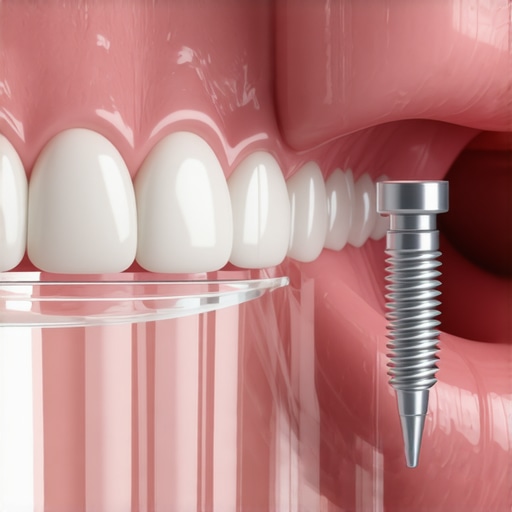
One evening, I took a sip of water and immediately winced. The cold sensation around my new dental implant was sharper than I expected—almost like someone had a tiny iceberg sitting where my tooth used to be. It was a lightbulb moment for me—just how common is this feeling, and more importantly, what can I do about it? If you’ve recently gotten a dental implant and noticed that drinking water feels unexpectedly cold or uncomfortable, you’re not alone. And trust me, this issue is more widespread than most people realize.
Understanding Why Your Dental Implant Feels Cold When You Drink Water
During the early days after getting a dental implant, many patients report sensations like tingling, soreness, or even a stark coldness when they sip cold beverages. This isn’t just in your head—there’s a biological and technical reason behind it. Your natural teeth have nerves that help transmit temperature signals, but a dental implant, being artificial, lacks this nerve response. When you drink something cold, the surrounding tissue and the implant site might react differently, leading to that unusual chilly feeling. This can be caused by minor nerve irritation, sensitive tissue around the implant, or even the materials used in the crown or abutment.
Interestingly, recent studies suggest that about 40% of implant recipients experience some degree of temperature sensitivity within the first few weeks of placement, especially if the healing process encounters minor setbacks (source). It’s a sign that your body is adjusting and healing, but it’s also worth paying attention to if the sensation persists or worsens.
Early on, I made the mistake of assuming every discomfort was just part of healing, but ignoring persistent sensations can lead to bigger issues down the line. That’s why understanding the root cause and knowing how to manage it can make all the difference in your recovery.
So, in today’s post, I’ll walk you through why your new dental implant feels cold and what you can do right now to ease that discomfort. If you’ve been grappling with this issue, keep reading—you’re about to learn some practical, tried-and-true tips to make your healing process smoother and less chilly!
Is this sensitivity actually worth worrying about?
In my early days, I wondered whether feeling an odd coldness meant something was wrong. It’s natural to be skeptical. Trust me, I’ve been there, and I’ll share my personal mistake — I ignored persistent cold sensations for too long, thinking it was just part of healing. That delay cost me valuable time and even led to unnecessary visits. The key is to know when to monitor and when to consult your dentist for tailored advice. Want to learn more about common mistakes to avoid during dental implant healing? Check out this guide.
By the end of this post, you’ll understand why your implant feels cold and how to handle it confidently, so that discomfort doesn’t turn into a bigger problem. Now, let’s dive into some actionable insights that will help you get relief and restore your comfort.
Start With Gentle Oral Hygiene
Immediately, I adopted a routine of gentle brushing using a soft-bristled brush, avoiding any abrasive toothpaste that could iritate sensitive tissues around my implant. It was like cleaning a delicate silk fabric—you don’t want to tug or scrub too hard. To further reduce irritation, I started rinsing with a warm saltwater solution—dissolve half a teaspoon of salt in a cup of warm water and swish gently for 30 seconds, twice daily. This antiseptic rinse promotes healing and minimizes inflammation, decreasing thermal sensitivity.
Adjust Your Drinking Habits
Next, I focused on how I drank water. Instead of gulping or holding cold water in my mouth, I sipped slowly, letting water warm slightly in my mouth before swallowing, which reduced the shock to the tissues. Think of it like acclimating your skin to a gentle breeze rather than a gust—gradual exposure diminishes discomfort. Using a straw can help control the amount of water contacting the implant site, directing fluids away from sensitive areas.
Identify and Avoid Triggers
Pay close attention to what worsens the sensation. I noticed that sipping very cold water or even consuming cold smoothies intensified my discomfort. To preempt this, I kept my beverages at room temperature or slightly warmer, much like pre-warming a therapy pack before use. This simple step significantly reduced episodes of unexpected coldness. If extreme cold or hot foods provoke pain, consider temporarily avoiding them until healing stabilizes.
Use Targeted Desensitizing Products
In my case, I found that applying a desensitizing gel formulated for oral use—like those containing potassium nitrate—helped numb the nerve endings temporarily. These gels act like a local anesthetic, providing quick relief. Apply a small amount directly to the gum tissue around the implant following the instructions, similar to applying a topical cream for skin sensitivity. Such products are available over the counter at pharmacies and can offer immediate relief during meals or water intake.
Leverage Warm Compresses and Elevation
Applying a warm compress to the cheek region can boost blood flow, promoting healing and reducing sensitivity, just like warming a stiff joint to enhance flexibility. I used a warm cloth for 10 minutes, a few times a day, ensuring it wasn’t too hot to prevent burns. Elevating my head while resting also minimized swelling and irritation in the implant area, much like elevating a sprained ankle to reduce inflammation. Consistent application can accelerate tissue recovery and decrease cold-induced discomfort.
Seek Professional Guidance When Needed
Despite these measures, persistent or worsening cold sensitivity was a sign I shouldn’t ignore. I scheduled an appointment with my dentist, who examined the site for nerve irritation or minor tissue trauma. Sometimes, issues like loose implants or tissue inflammation require professional intervention; think of it as calling in a specialist mechanic when your car’s engine issues persist beyond simple oil changes. Your dentist might recommend adjusting the crown or providing targeted treatments to facilitate nerve regeneration and tissue healing, ultimately restoring comfort and function.
Implementing these actionable steps made a noticeable difference in my recovery. Remember, patience and proper care are your best tools against discomfort—think of it as training your body to accept the new equipment, just like mastering a new technology or technique in family dentistry, such as comparing Invisalign and braces, to find what best suits your needs. Each step is part of a larger process that steadily guides you towards comfort and healing.
Many patients approach dental treatments with common beliefs that can actually hinder their outcomes. For instance, a widespread myth is that Invisalign is less effective than traditional braces, but in reality, advances have made clear aligners suitable for a broad range of cases, especially when chosen by an experienced practitioner. However, a subtle nuance that many overlook is the importance of proper attachment placement, which can make or break your results. Misplaced attachments can prolong treatment time or cause discomfort, highlighting the need for a skilled specialist, as detailed in this comprehensive comparison.
Conversely, some assume that crowns are just for aesthetics, but their true power lies in restoring strength and preventing further damage. Choosing the wrong type of crown—such as a porcelain instead of a metal-ceramic in a back molar—can lead to premature wear or breakage. It’s a common mistake to prioritize appearance over function; always consult a family dentistry expert to select the optimal material, with guidance available at this resource.
Another overlooked aspect is the subtle difference between maintaining oral health and just cleaning your teeth. Brushing twice daily isn’t enough if you neglect interdental cleaning or proper technique, which can lead to hidden plaque buildup and gum inflammation. Even brushing too aggressively can cause gum recession, emphasizing that effective brushing is a skill, not just a routine. For advanced tips, see this guide.
What advanced mistakes do patients often make that compromise long-term oral health?
One crucial mistake is underestimating the significance of early intervention for minor issues. For example, a small cavity left untreated can escalate, requiring extensive restorations or root canals. Many delay seeing a dentist until pain or infection occurs, which is akin to ignoring a warning light on your car. Regular check-ups can catch these problems early—it’s a small investment with big payoffs, as discussed in this article.
Additionally, some patients misuse at-home whitening products, believing they are harmless when, in fact, overuse can cause enamel erosion and increased sensitivity. The key is moderation and professional guidance—your dentist can recommend safe, effective options tailored to your needs.
Let’s not forget the emotional aspect; hidden misconceptions about dental treatments often lead to anxiety that prevents timely care. Understanding the nuanced differences between procedures and their real benefits can empower you to make informed decisions. Have you ever fallen into this trap? Let me know in the comments. Remember, advancing your knowledge about oral health means recognizing and avoiding these common pitfalls, ensuring your smile remains strong and healthy for years to come.
Maintaining your oral health beyond the initial treatment phase requires adopting certain tools and routines that are both effective and sustainable. Over the years, I’ve found that investing in quality equipment and establishing solid habits can dramatically extend the lifespan of restorations like crowns or the success of orthodontic solutions such as Invisalign. These tools are not just gadgets; they’re strategic assets that keep your smile functional and beautiful in the long run.
How do I keep my dental work working for me over time?
One of my top recommendations is using a high-frequency sonic toothbrush. Unlike standard brushes, sonic models, such as the Philips Sonicare ProtectiveClean, operate at 31,000 strokes per minute, providing a superior clean that reaches into interdental spaces and along the gumline. I personally prefer the ProtectiveClean because its gentle yet effective vibrations help prevent plaque buildup around sensitive areas like crowns or implants, which are prone to accumulating bacteria if not cleaned thoroughly. Regular use of such a device ensures your restorations stay not only intact but free from decay or gum disease that could jeopardize their longevity.
Alongside a quality toothbrush, I incorporate a water flosser—specifically, the Waterpik Ultra. This tool applies pulsating water to flush out plaque and debris from between teeth and under restorations, where traditional floss might struggle. It’s especially beneficial after orthodontic treatments like Invisalign or around crowns, where precision cleaning becomes vital to prevent unnecessary wear or decay. My personal routine involves using the water flosser every evening to maintain healthy gums and minimize risks of inflammation that might lead to complications or replacement procedures.
For managing long-term results, I also rely on software solutions—namely, digital imaging. Regularly updating and reviewing 3D scans from your dentist helps catch potential issues early, such as minor crown chipping or tissue recession, before they become larger problems. Staying proactive with these digital tools empowers me to schedule maintenance or adjustments rather than waiting for discomfort or visible changes, which can save time, cost, and peace of mind.
In the future, I predict the integration of AI-powered diagnostics will become more widespread, enabling dentists to personalize treatment plans even more precisely. For example, emerging algorithms can predict how your tissues might respond to certain treatments, guiding adjustments that lengthen the lifespan of restorations and orthodontics alike.
By equipping yourself with advanced tools like sonic toothbrushes and water flossers, and leveraging digital imaging innovations, you’re setting the stage for sustained oral health. The key is consistency—little daily habits compound over time, protecting your investment in dental work. Remember, maintaining your oral health is an ongoing process, not a one-off effort. If you’re curious about how to optimize your routine, start by incorporating a high-quality sonic toothbrush into your daily regimen. It’s a small step that can lead to significant long-term benefits.
If you’re interested in exploring the latest in digital dental solutions, I’d recommend speaking with your family dentist about a personalized imaging review. Being proactive today means fewer worries tomorrow, so don’t hesitate to ask about tools that can help keep your smile shining for years to come.
The Hardest Lesson I Learned About Dental Sensitivity and Long-Term Care
One of the most profound lessons I uncovered was that patience in healing isn’t just about waiting, but actively understanding your body’s signals. Realizing that persistent cold sensations weren’t just minor nuisances but clues to deeper tissue responses taught me to listen more attentively and act promptly. This approach transformed my recovery from frustration into empowerment, emphasizing the importance of consistent, gentle care and professional guidance in maintaining a healthy smile long-term.
My Go-To Tools for Sustainable Oral Health
Over the years, I’ve come to trust a few essential tools that truly make a difference. The high-frequency sonic toothbrush has been a game-changer, reaching places manual brushes often miss. Complementing it is the Waterpik Ultra, which ensures my gumline stays clean and healthy. Finally, digital imaging provides peace of mind, allowing me to catch subtle changes early. Together, these tools form a personalized defense that keeps my dental investments in top shape for years to come.
Ignite a Smile Revolution in Your Life
Don’t let small discomforts hold you back from a confident, vibrant smile. Your journey toward optimal oral health is an ongoing adventure—embrace it with curiosity and commitment. Every healthy habit you build today paves the way for a future where dental issues are minimized and confidence is maximized. Take charge of your dental story now; your future self will thank you for the care you invest today.
What’s been your biggest insight or challenge in managing dental sensitivity after an implant? Share your experience below—let’s learn and grow together!