
Why Your Gums Feel Itchy After Eating Certain Fruits
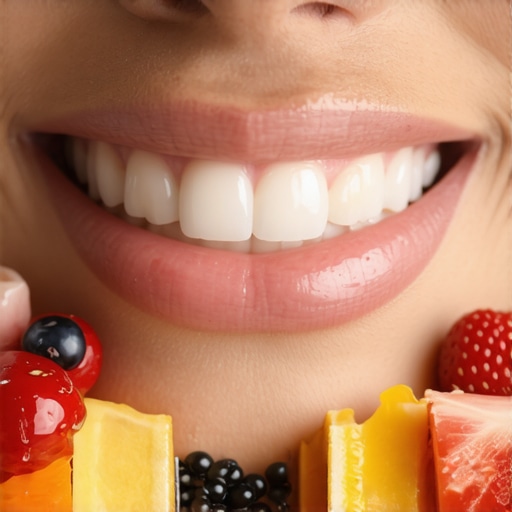
It happened to me just last week—sitting at my kitchen table, biting into a juicy apple, only to feel that unsettling itch in my gums afterward. At first, I thought it was just a momentary oddity, but it kept happening whenever I enjoyed certain fruits. That lightbulb moment made me realize I wasn’t alone in this experience, and it definitely warranted some digging. If you’ve ever felt a strange itch in your gums after munching on your favorite fruits, you’re probably wondering what’s going on and whether it’s something serious. Well, here’s the good news: we’re going to explore why this happens and, more importantly, how to manage or even prevent it.
Understanding the Link Between Fruits and Gum Sensitivity
Many people experience gum itching after eating specific fruits, and often, it’s not just in your head. Fruits like apples, strawberries, or citrus are naturally acidic and can sometimes irritate sensitive gum tissues. This irritation can cause a mild allergic reaction, or simply expose underlying gum issues that were less noticeable before. It’s a common problem, and surprisingly, according to dental health experts, nearly 20% of adults report some form of sensitivity to certain fruits or foods—highlighting how widespread this issue really is. If you’ve encountered this, you might be asking, “Why now? I’ve eaten these fruits before without any problems.” Well, gum sensitivity can develop over time due to factors like gum recession, plaque buildup, or even changes in your immune response.
But here’s the thing: early missteps can make this situation worse. I remember rushing to dismiss my symptoms as just minor irritation, only to realize I was neglecting my dental hygiene. If you ignore minor symptoms like itching or slight swelling, it can lead to more problematic issues down the road such as gum disease. That’s why understanding the root causes is your first step towards relief.
Thinking about your own experiences—have you faced this frustrating issue of itchy gums after eating fruits? If so, you’re not alone, and help is available. In the upcoming sections, I’ll walk you through practical steps you can take to soothe your gums and prevent future discomfort. To start, though, let’s clear up some common misconceptions that might be holding you back.
Identify Your Trigger Fruits and Adjust Your Diet
Start by keeping a detailed food diary, noting which fruits cause itching or discomfort. For example, I once tracked my snack habits and realized strawberries and citrus more often triggered my symptoms. To reduce irritation, replace these with less acidic options like bananas or melons. This proactive adjustment can minimize flare-ups and give your gums relief.
Enhance Your Oral Hygiene Routine
Use a soft-bristled toothbrush and gentle motions to prevent further gum irritation. Incorporate an anti-sensitivity toothpaste, like those containing potassium nitrate, which can desensitize nerve endings over time. I adopted this routine after a professional cleaning, and within a few weeks, my gum sensitivity decreased noticeably.
Maintain Regular Dental Check-Ups
Schedule visits with your family dentist regularly—at least twice a year—to monitor gum health and catch issues early. During my check-up, my dentist identified early signs of gum recession. Following their advice and schedule, I strengthened my gum tissue and avoided more serious problems, like periodontal disease.
Use Home Remedies to Soothe Irritated Gums
Rinsing with warm salt water can reduce inflammation and kill bacteria. Simply dissolve half a teaspoon of salt into a cup of warm water and swish for 30 seconds. I found this quick remedy effective after meals, especially when I felt itchiness escalating. Consistently doing this can help soothe your gums and promote healing.
Limit Acidic Food Intake and Practice Proper Eating Habits
Avoid biting directly into very acidic fruits; instead, cut them into smaller pieces or eat slowly to minimize gum contact. Drinking water immediately after consuming acidic fruits can help wash away residual acids. During a recent dinner, I cut my apple into slices and took small bites, which made a significant difference in my gum comfort.
Consult Professionals for Persistent Symptoms
If sensitivity persists despite these steps, seek expert advice at your local family dentistry practice. A professional assessment might reveal underlying issues like gum recession or early periodontal disease. Remember, addressing these concerns early can prevent more extensive procedures later—see how [family dentistry](https://familydentistpro.com/family-dentistry-trends-improving-oral-health-for-all-ages) can help maintain your overall oral health.
While many believe they understand dental restorations and orthodontics, several nuanced truths often go unnoticed. For instance, a widespread myth suggests that crowns are a one-size-fits-all solution; however, choosing the right crown material and type requires careful consideration of longevity, aesthetics, and compatibility with surrounding tissues. According to a study published in the Journal of Prosthetic Dentistry, selecting an inappropriate crown can lead to increased wear on opposing teeth or even pulp vitality issues, which underscores the importance of expert consultation.
Can DIY or DIY-Style Approaches to Invisalign or Crowns Compromise Your Oral Health Long-Term?
Many patients underestimate how critical professional guidance is when undergoing Invisalign treatments or opting for crowns, believing that sequence and fit are trivial details. This oversight can lead to issues like misaligned bites, gum recession, or even decay underneath poorly fitted crowns. For example, poorly fitted crowns can trap plaque and bacteria, accelerating decay and gum disease, which might necessitate costly revisions later. It’s essential to understand that modern family dentistry prioritizes not just aesthetic results but also functional health. Modern techniques and personalized treatment plans have revolutionized how we approach these procedures, emphasizing precision, durability, and patient comfort. You can discover more about how to select the right crown by visiting [the ultimate guide to crowns for a healthier smile](https://familydentistpro.com/the-ultimate-guide-to-crowns-for-a-healthier-smile). Furthermore, misconceptions around Invisalign often revolve around its suitability for all cases—many assume it works equally well for complex bite issues, but in reality, comprehensive case evaluation is necessary. Experts warn that attempting to force Invisalign into unsuitable cases can lead to relapse or incomplete corrections; this is why consulting with experienced providers, like those featured in [Invisalign vs Braces: Which Solution Fits Your Lifestyle](https://familydentistpro.com/invisalign-vs-braces-which-solution-fits-your-lifestyle), is indispensable. Overconfidence in DIY solutions or underestimating the importance of professional oversight can cause avoidable setbacks, affecting both your oral health and the longevity of the treatment. Remember, a well-informed patient is a protected smile. My advice? Always seek trusted family dentistry professionals to guide your treatment decisions. Don’t fall into the trap of shortcuts—your dental health is too vital for that. If you’re considering crowns or Invisalign, schedule an expert consultation today at [Family Dentistry](https://familydentistpro.com/contact-us). Have you ever fallen into this trap? Let me know in the comments.
Maintaining optimal oral health and ensuring that crowns, Invisalign treatments, and other dental work last for the long haul requires more than just good brushing. It demands the right equipment, dedicated tools, and modern methods that promote durability and efficiency. Over the years, I’ve refined my personal toolkit to include specific equipment that I trust for both daily maintenance and professional procedures.
Investing in a High-Quality Ultraviolet Sanitizer
One of my top recommendations is a certified UV toothbrush sanitizer. Regular toothbrushes can harbor bacteria and fungi, especially if stored in humid environments. Using a UV sanitizer, like the GermGuardian UV Toothbrush Sanitizer, provides a hospital-grade sterilization that significantly reduces microbial presence, extending the lifespan of your toothbrush and maintaining hygiene standards. I personally power mine up every night and notice a marked decrease in oral irritations and plaque buildup over time.
Why I Switched to a Proven Water Flosser
Traditional flossing is essential, but for reliable, long-term results, I now rely on a water flosser, such as the Oral-B HydroSonic. Unlike string floss, this method reaches deep into periodontal pockets and tight spaces, effectively removing plaque and preventing gum recession. Its pulsating stream of water also stimulates circulation, supporting healthier tissue around crowns and implants. As dental research suggests, water flossing can be more effective in maintaining gum health if used properly, especially for those with crowns or orthodontic appliances (see this related post for more insights).
The Power of Remote Monitoring Software
Modern dentistry is embracing digital tools, and I implement this trend at home with software like Dental Monitoring. This app allows my dentist to remotely assess my oral health via images I’ve uploaded periodically. Early detection of issues like early gum recession or crown misfit helps prevent costly repairs later. For those serious about preserving their restorations, integrating such technology into your routine can prove transformative.
Future Trends in Tooth Preservation
Looking ahead, I predict the rise of AI-driven diagnostics integrated with home care devices. Imagine toothbrushes equipped with sensors analyzing plaque levels in real-time, advising you when to seek professional care before problems escalate. Staying ahead means adopting these innovative tools early, aligning with the broader trend of personalized, proactive dental care, as discussed in current family dentistry trends.
How do I keep my tools performing over time?
To ensure longevity, I adhere to manufacturer instructions regarding cleaning and replacement schedules. For example, replacing my water flosser nozzles every three months prevents bacterial buildup. Similarly, occasional disinfecting of electronic tools with alcohol wipes keeps them functioning optimally. The investment in quality tools is only worthwhile if maintained properly, preventing unnecessary failures or infections.
Don’t hesitate to elevate your dental routine—try integrating a UV sanitizer or a water flosser today. These advanced tools not only optimize your oral hygiene but also help safeguard your investments in crowns and Invisalign. For personalized advice tailored to your specific needs, consider scheduling a consultation with your trusted family dentist through their contact page.
During my journey with dental restorations and orthodontics, I learned that the path to a confident smile is filled with unexpected lessons. One of the toughest truths I uncovered is that even a small oversight, like neglecting the proper cleaning of your crowns or failing to follow your Invisalign treatment plan meticulously, can significantly impact your long-term oral health. I also realized that not all advice from friends or online sources is applicable—you need tailored guidance from trusted professionals to truly protect your investment in your smile. And perhaps most eye-opening was understanding that proactive measures, combined with innovative tools like UV sanitizers and water flossers, can prevent many common issues before they start, saving you time and money while boosting your confidence.