
The Scary Reason Your Gums Turn Black
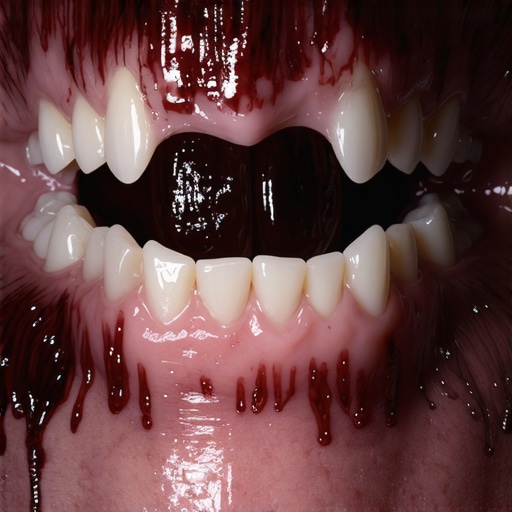
I remember the moment I first noticed a darkening patch along my gumline. It was during a quick mirror check before bed, and suddenly, my reflection showed something unsettling—my gums looked almost charcoal black in one spot. Panic set in. I wondered if it was a sign of something serious, or just a weird stain. That night, I couldn’t sleep—my mind racing over what this could mean for my health and my smile.
If you’ve ever experienced this, you’re not alone. Many folks brush off strange gum colors as harmless or temporary, but the truth is, **black gums can be a warning sign of underlying issues** that need immediate attention. Today, I want to guide you through understanding why this happens, and more importantly, how you can take action to protect your oral health.
Why Gums Turn Black and Why It Matters
The discoloration of gums isn’t something to ignore. It can be caused by a variety of factors—ranging from harmless pigmentation in some individuals to more alarming signs like tissue necrosis or even infection. One common culprit is _melanin pigmentation_, which is normal for many people with darker skin tones, but if it appears suddenly or in unusual spots, it warrants a professional check-up.
Another serious cause is **gums turning black due to tissue death or necrosis**, often resulting from bacterial infections, poor oral hygiene, or reactions to medications. Additionally, certain types of amalgam fillings can cause a temporary black staining of the gums, which might look worrisome but isn’t necessarily dangerous.
Understanding the root cause is crucial. According to the American Academy of Periodontology, gum tissue discoloration paired with other symptoms like swelling, bleeding, or pain can indicate **periodontal disease or other infections** that require prompt treatment. Ignoring these signs can lead to more severe complications, including tooth loss or systemic health issues.
So, if you’ve noticed your gums darkening or developing black patches, it’s essential to consult a professional. Don’t dismiss it as merely a cosmetic concern—early diagnosis and intervention can save your smile and your health.
Next, we’ll explore the common causes behind black gums and how to identify which one applies to you, and I’ll share practical steps to address this issue effectively.
Have you ever experienced this before? Share your story—I know how unsettling it can be.
Knowing what to look out for and acting quickly makes all the difference. When I faced my own gum discoloration, I learned that seeking expert guidance is the best course of action. You might also consider reading about [family dentistry secrets](https://familydentistpro.com/family-dentistry-secrets-maintaining-oral-health-with-modern-techniques-at-254-pm) to understand how modern techniques can help maintain your oral health.
Pinpoint the Cause
Start by observing your gums closely. Are the black patches localized or spread out? Do you notice any accompanying symptoms like swelling, pain, or bleeding? For instance, I once noticed a small black spot after neglecting my flossing routine. Recognizing these signs helps determine if it’s pigmentation, infection, or other issues, guiding your next move.
Schedule an Expert Evaluation
Book an appointment with a qualified dentist promptly. Don’t wait for the problem to worsen—early diagnosis is crucial. During your visit, mention any recent changes in your oral habits or medications. A professional can identify if the discoloration is due to melanin, necrosis, or reaction to dental materials and recommend targeted treatments.
Maintain and Improve Oral Hygiene
Consistent oral care can prevent many gum issues. Brush twice daily with fluoride toothpaste, and don’t forget to floss properly—use gentle, sawing motions rather than aggressive scrubbing to avoid gum recession. I once skipped flossing for a few days and developed slight gum pigmentation, which improved after reinstating my routine.
Use Proper Technique for Flossing
Insert floss gently between teeth, curving around each tooth’s base to remove plaque without harming gums. Remember, flossing is more effective than scrubbing; think of it as sowing seeds for healthier gums. Over time, this regular habit reduces the risk of bacterial infections that can cause discoloration.
Address Underlying Conditions
If the cause is pigmentation, your dentist might suggest laser treatments or whitening procedures. In case of necrosis or infection, antibiotics or other therapies may be necessary. For example, I had a small necrotic patch treated with laser therapy, resulting in a significantly healthier gum appearance over a few sessions.
Consider Restorative Techniques
If damaged tissue or underlying structural issues contribute to discoloration, dental restorations can help. Crowns, for instance, can replace compromised tooth structures and improve aesthetics. Check out how crowns can vastly enhance both function and confidence [here](https://familydentistpro.com/transform-your-smile-how-crowns-boost-oral-health-confidence-at-815-am).
Implement Preventive Measures
Reduce stain-causing habits like smoking or excessive coffee intake. Use a soft toothbrush, and avoid abrasive products that could irritate or wear down your gums. Regular dental cleanings, typically every six months, help maintain optimal gum health and catch issues early.
Tackle Stubborn Spots with Professional Help
For persistent or suspicious patches, ask your dentist about advanced procedures like laser treatments or grafting. These targeted interventions can remove pigmentation or repair tissue damaged by necrosis. I had a minor graft after a gum injury, which restored my gum health remarkably well.
Stay Vigilant and Informed
Monitor your gums regularly. Take note if black patches change size, shape, or accompany symptoms like pain. Education is key—review reputable sources or consult your dental team. For example, I regularly check my gums after meals to catch early signs of problems, which has saved me from more significant issues.
Remember, tackling black gums isn’t just about aesthetics; it’s about safeguarding your overall health. Taking these concrete steps empowers you to act confidently and effectively. If concerns persist, reach out through [family dentistry contact](https://familydentistpro.com/contact-us) for personalized guidance.
Many believe that dental crowns are just cosmetic fixes or that Invisalign is only suitable for minor misalignments, but these are oversimplifications that can lead to costly mistakes. For instance, some think all crowns are created equal—yet, choosing the wrong type or a poorly executed procedure can result in increased sensitivity, durability issues, or even the need for retreatment. The same goes for Invisalign: popular myths often dismiss its limitations, like restrictions on complex cases or the importance of attachment management, which are crucial for successful results. Diving deeper, professionals emphasize the significance of material choice, tooth preparation, and patient compliance—factors that often go unnoticed by the average patient but directly impact long-term satisfaction and health.
In the realm of oral health, many people focus solely on brushing and flossing, neglecting the nuances that prevent serious issues like gum recession or underlying infections. Regular check-ups, understanding the role of bite alignment, and recognizing early signs of complications are advanced yet essential habits that distinguish good from excellent dental care.
Don’t fall into common traps—like assuming that a quick fix or DIY approach can replace professional guidance—because overlooking these details could compromise both your health and your wallet. According to a study published in the Journal of the American Dental Association, customized treatment planning and a thorough understanding of material science significantly improve treatment longevity and patient outcomes. Whether it’s selecting the right crown type or managing Invisalign attachments, mastering these nuances ensures you’re making informed choices rather than reactive ones.
Have you ever fallen into this trap? Let me know in the comments.
Taking the time to understand these subtleties empowers you to work smarter with your dental team. Want to learn more? Visit [family dentistry secrets](https://familydentistpro.com/family-dentistry-secrets-maintaining-oral-health-with-modern-techniques-at-254-pm) for insights into modern techniques that can protect and enhance your smile.Maintaining dental enhancements like crowns and Invisalign trays requires more than regular brushing; it hinges on using specialized tools and adopting precise methods to ensure longevity and optimal oral health. I personally swear by an ultrasonic toothbrush, such as the Philips Sonicare DiamondClean, because it effectively dislodges plaque without damaging delicate restorations and hard-to-reach areas around crowns or braces. Its sonic technology generates high-frequency vibrations that break apart stubborn debris, making flossing more effective afterward. For calibrating my aligners, I utilize the Invisalign® 10-Second Check app, which helps me verify proper tray positioning daily, preventing issues like misfit or damage. As technology advances, digital patient monitoring tools like OrthoPulse’s remote aligner tracking are likely to become standard, allowing dentists to identify problematic wear patterns early and suggest adjustments. To keep trays fresher and smelling clean, I recommend using Invisalign-specific cleaning crystals—they dissolve thoroughly without abrasive scrubbing, reducing the risk of scratching the material or introducing bacteria. Continuous use of interdental brushes with ultra-fine bristles also plays a vital role in maintaining the tiny spaces around crowns or implants, preventing plaque buildup that can lead to decay or gum disease. When it comes to long-term results, routine professional cleanings with specialized polishing instruments designed for restorations—like rubber cup polishers—help avoid surface scratches that can trap stains or bacteria, according to research in the Journal of Dental Research. Looking ahead, the integration of AI-powered diagnostic tools will personalize maintenance schedules further, flagging subtle changes that might escape the human eye and prolong the lifespan of your dental work. How do I maintain my crowns and Invisalign trays over time? Regularly inspect your teeth using the 2-Minute Self-Check app, replace worn tools like interdental brushes monthly, and schedule bi-annual checkups to catch issues early. To boost your maintenance routine, try incorporating ultrasonic cleaning into your weekly care, which can drastically improve the health of your restorations and surrounding gums. Remember, a proactive approach with the right equipment not only preserves your beautiful smile but also prevents costly repairs down the line. For personalized advice, don’t hesitate to reach out via [family dentistry contact](https://familydentistpro.com/contact-us-2).
Why I Stopped Taking Simple Tips for Granted
One of the biggest insights I gained was realizing that even small, seemingly insignificant habits—like using the right floss or choosing the right cleaning tools—can dramatically impact the longevity of crowns and Invisalign trays. It made me understand that quality care begins with knowledge and consistency—a lesson I wish I had embraced earlier.
Another valuable lesson was recognizing that not all dental guides are created equal. I learned to seek out expert advice and trusted sources, such as professional insights on family dentistry, which provided tailored strategies that fit my unique oral health needs, rather than relying on generic advice.
Finally, I discovered the importance of patience. Restorative work and alignment corrections aren’t quick fixes—they’re a journey. Being gentle with myself and committed to regular check-ups led to lasting results. If I could share one piece of advice, it’s to see your dental care as an ongoing investment, not a one-time fix.