
How to Tell if a Cavity is Too Deep for a Simple Filling
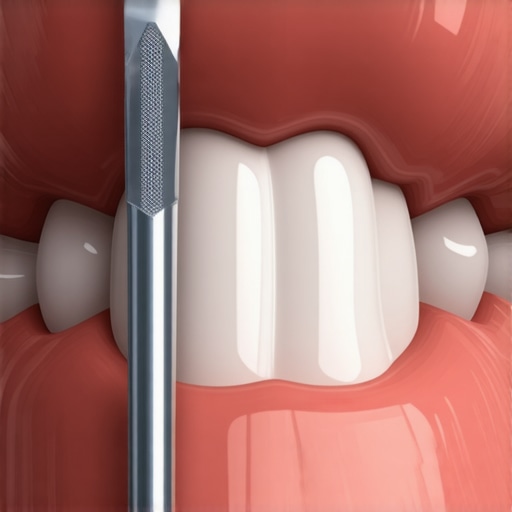
I remember the moment clearly—teenage me sitting in the dental chair, feeling that sharp pinch during a routine filling, only to be told later that the cavity was deeper than expected. That unexpected revelation made me realize how tricky it can be to truly assess whether a cavity is manageable with just a simple filling or if more extensive treatment is necessary.
Sometimes, a seemingly minor cavity can hide a deeper problem, catching both patients and even some dentists off guard. If you’re like me, you’ve probably wondered at some point, “How do I really know if my cavity is too deep for a quick fix?” Well, you’re not alone. Many people hesitate to ask their dentist because they’re unsure if it sounds serious or just another minor issue.
Today’s goal is to help you understand the signs that indicate whether your cavity might be too deep for a simple filling. Recognizing these clues early can save you discomfort, time, and possibly additional costs in the long run. We’ll explore the telltale signs and what questions to ask your dental professional to ensure you’re making informed decisions about your oral health.
Why Depth Matters: When a Filling Isn’t Enough
Is It Worth Worrying About How Deep a Cavity Is?
Early in my career, I made the mistake of assuming that all cavities are the same—small, easily fillable, and no big deal. I didn’t realize that the depth of a cavity could dramatically change the outcome and the treatment needed. That oversight could lead to pain, multiple visits, or even the need for a crown or root canal.
Dental experts agree that the depth of a cavity directly influences the prognosis. A superficial cavity might be just a quick fix, but once it reaches the dentin or pulp—the inner layers of your tooth—the situation becomes more complex. Deep cavities can weaken the tooth structure and increase the risk of infection or fracture.
Research shows that about 50% of dental restorations involving deep cavities eventually require further intervention, such as crowns or root canals, especially if not identified early. The key is catching signs early and understanding your body’s signals.
Have you ever experienced lingering tooth sensitivity or pain when biting or consuming hot and cold foods? These are often signs that your cavity might be deeper than it appears, warranting a professional assessment.
Knowing whether a cavity is superficial or deep isn’t always straightforward based on symptoms alone. That’s why detailed examinations—including X-rays—are essential. They help your dentist determine how far the decay has penetrated and the best course of action.
Accurately gauging cavity depth can be tricky if you’re unaware of what to look for. In the next sections, we’ll discuss practical ways to recognize symptoms and prepare questions for your dentist. Rest assured, with this knowledge, you’ll be better equipped to decide when a simple filling suffices and when more extensive treatment is necessary. Feel free to share your experiences or concerns—have you ever suspected your cavity was deeper than it looked? Let’s get into the details.
Visual Inspection and Recognizing Symptoms
Begin by examining your teeth in the mirror—look for dark spots, holes, or rough areas. Sensitivity to hot, cold, or sweet foods often signals deeper decay. For instance, I once noticed my molar reacting painfully to cold drinks; this prompted me to schedule a dental check-up immediately.
Ask Targeted Questions During Your Dental Visit
When you consult your dentist, ask about the depth of your cavity—specifically, “Is the decay close to the pulp?” Also, inquire if X-rays are necessary to determine the extent. I recall a consultation where my dentist used X-rays to reveal decay reaching the dentin, which wasn’t visible externally.
Experience and Communicate Tooth Sensations Clearly
Pay attention to persistent discomfort, especially during biting or chewing, which often indicates that decay has penetrated beyond superficial layers. Sharing your sensations helps your dentist decide if a filling suffices or if a crown or root canal is needed. In my case, describing the pain during biting led the dentist to perform an X-ray that confirmed the cavity was deeper than it looked.
Understand the Role of X-Rays and Professional Tools
Remember, visual clues are helpful but not definitive. Your dentist uses X-rays as a microcosm of your oral health—like a map revealing hidden decay beneath the surface. This is similar to a builder inspecting the foundation of a house—what’s visible may be just a warning sign of problems beneath.
Assess the Threat of Deep Cavities through Visual Cues
Dark spots, rough patches, or holes are your initial signs. If you experience frequent or lingering sensitivity, especially when biting down, it’s time to see your dentist. Don’t wait until the pain becomes intense; early detection is key to avoiding more invasive procedures like crowns.
Use Questions to Guide Your Dental Consultation
Prepare questions like: “How deep is this cavity?” and “Could this require more than a filling?” Asking such questions ensures you understand the severity and helps you decide on the best treatment plan.
Share Your Sensory Experiences Clearly
Being precise about your sensations—such as sharp pain when eating cold foods or discomfort when touching the tooth—is essential. Clear communication guides your dentist to perform the right diagnostics, like probing or taking X-rays, to determine cavity depth accurately.
Recognize When Further Treatment Is Necessary
If your symptoms align with deep decay, your dentist may recommend crowns or even root canal therapy. Think of a crown as a protective helmet for your tooth—restoring strength and preventing further damage. Learning to recognize these signs helps you make informed choices—like understanding the benefits of crowns, which are a game-changer in restorative dentistry and provide long-lasting results. For more on how crowns can boost your oral health, visit this article.
Many people believe they understand oral health, but in reality, some widespread misconceptions can set you up for costly mistakes. For example, it’s often assumed that all dental issues can be fixed with quick solutions like fillings or aligners. However, this oversimplification ignores the nuances and complexities that come with advanced dental care, particularly in family dentistry and restorative procedures like crowns.
A common myth is that Invisalign is only a cosmetic fix, but in truth, it offers functional benefits—such as improving bite alignment and preventing long-term jaw problems—that are often underestimated. Moreover, many patients don’t realize that choosing the wrong type of crown can compromise the longevity of their restoration. Caring for your crown properly requires understanding the materials used and the specific indications for each type.
One of the pitfalls many fall into involves misconceptions about oral hygiene routines. Brushing more aggressively doesn’t equate to cleaner teeth; in fact, it can lead to gum recession and heightened sensitivity. The key lies in proper technique and regular flossing, which often gets neglected or misunderstood. Did you know that using the wrong type of floss for crowded teeth can push bacteria deeper and cause cavities? Discover the correct flossing techniques for tight spaces.
For more advanced learners, understanding the biological nuances—like how enamel reacts to acidic foods or the impact of systemic health on dental outcomes—can be eye-opening. Recent studies suggest that certain lifestyle factors and diet play a significant role in the development of cavities and gum disease, beyond what standard brushing can address. It’s also critical to recognize early warning signs that your dental health might be declining, such as subtle color changes or minor sensitivity.
Another widespread misconception concerns the lifespan of dental restorations. Patients often think crowns are permanent, but they can last 10-15 years with proper care. It’s vital to monitor for signs of wear or cracks, which might be overlooked without routine check-ups. Regular visits allow your dentist to preemptively address issues before they escalate.
While many believe that dental treatments like crowns or Invisalign are purely aesthetic, their true value lies in preserving oral function and preventing more invasive procedures down the line. For instance, a well-placed crown can protect a vulnerable tooth from future decay, enhancing your overall health. Understanding these nuances enables you to make informed decisions—like visiting a specialist for long-lasting crowns.
Have you ever fallen into this trap of oversimplifying dental care? Let me know in the comments. As we deepen our understanding of dentistry’s complexities, you’ll appreciate that being proactive and informed is your best strategy for maintaining a healthy smile over the years.Maintaining your oral health requires the right equipment and practices to keep your smile shining over the years. I personally rely on an ultrasonic toothbrush like the Philips Sonicare DiamondClean, which I chose for its proven plaque removal capabilities and gentle gum stimulation. Unlike manual brushes, its sonic technology vibrates at high frequencies, reaching hard-to-clean areas and reducing the risk of cavities and gum issues. Incorporating such advanced tools ensures better cleaning, especially for those with braces, crowns, or Invisalign, where plaque accumulation can be more challenging. Another must-have is a water flosser, such as the Waterpik Aquarius, which I’ve found invaluable for cleaning around crowns and under bridges. Its pulsating water removes debris and bacteria effectively, and I use it daily to maintain healthy gums. In terms of software, I recommend using a dental health app like ToothPic, which allows you to track oral hygiene routines and even monitor changes in your teeth’s appearance over time. This visual feedback motivates consistent care and alerts you to potential issues early on. Predicting future trends, I believe integrating AI-driven diagnostics into at-home devices will become mainstream, offering personalized advice based on your habits and dental history.
How do I maintain my dental tools over time?
Proper maintenance is crucial to ensure your equipment works effectively. For ultrasonic brushes, rinse the brush head thoroughly after each use, and replace it every three months or sooner if bristles fray. Keep your water flosser clean by regularly descaling it with vinegar or manufacturer-recommended solutions to prevent mineral buildup. Software apps need updates and periodic data checks—set weekly reminders to review your progress and ensure the app’s sensors or cameras are clean for accurate monitoring. Remember, investing in high-quality tools and maintaining them properly pays off in long-term savings and oral health. Looking ahead, innovations like self-cleaning brush heads and AI-powered cleaning routines will revolutionize home dental care, making it more effective and foolproof. To start, try integrating a water flosser into your daily routine—it’s a game-changer for fighting plaque around crowns and braces, especially if you’re prone to cavities. For expert insights on perfecting your tool care, visit this article. Keeping your tools in top shape ensures you’re always prepared to protect and preserve your smile—because good dental health is a lifelong journey.
The Hardest Lesson I Learned About Family Dentistry and Restorative Solutions
My most valuable insight came when I realized that not all cavities are created equal. I once dismissed a minor-looking hole, only to discover it was hiding significant decay that required more than a simple filling. Now, I understand the importance of early detection and asking the right questions about cavity depth, especially when considering options like crowns or Invisalign. This lightbulb moment reinforced how crucial it is to communicate effectively with your dentist and stay informed about your oral health journey.
Tools and Resources That Transformed My Approach to Smile Care
Over the years, I’ve curated a toolkit to support optimal family dentistry and restorative procedures. High-quality electric toothbrushes such as the Philips Sonicare DiamondClean have made a noticeable difference in plaque control, complementing my regular visits. I also trust Waterpik water flossers for their ability to clean around crowns and braces effectively. Reading materials like this guide on crowns have deepened my understanding of restorative options. These tools and resources empower me to participate actively in my dental health, turning routine care into confident decision-making.
Championing the Power of Preventive Mindset and Open Dialogue
The ultimate realization is that ongoing maintenance and honest conversations with your dental team unlock the path to a radiant, healthy smile. Recognizing early signs—like persistent sensitivity or discomfort—can prevent complex procedures later. I encourage you to embrace a proactive attitude, ask your dentist about cavity depths, and explore options like crowns or Invisalign when appropriate. Remember, every step toward understanding your oral health is a step toward lifelong confidence. What’s one question you haven’t thought to ask your dentist but now realize could make a difference? Share below, and let’s keep the conversation flowing.