
The Best Way to Store Your Invisalign Trays While Eating

Imagine this: you’re mid-bite, the delicious smell of dinner filling your senses, and suddenly you realize — you’ve forgotten what to do with your Invisalign trays. I’ve been there, fumbling for a safe spot to put them down, only to panic about whether I’d lose a tray or worse, compromise my oral health. That lightbulb moment hit me hard: storing Invisalign trays while eating isn’t just about convenience — it’s a crucial part of maintaining your treatment and oral health.
Why Proper Storage Matters More Than You Think
When I first started my Invisalign journey, I thought I could just set trays on any napkin, plate, or countertop during meals. But I quickly learned that this habit could lead to lost trays, bacteria buildup, or even damage that set my treatment back. Proper storage helps keep your trays clean and prevents them from getting misplaced or damaged. If you’re like I was, you might be surprised to learn that even minor missteps can impact your progress and oral health. To stay on track, knowing the best ways to store your Invisalign trays during meals is essential. Want to discover smart solutions that keep your trays safe and clean? Keep reading!
Is Relying on Guesswork Really Worth It?
Early in my experience, I made the mistake of simply throwing my trays onto a paper towel or leaving them on my plate. It seemed harmless at the time, but I soon realized that this approach exposed my trays to bacteria and potential damage. According to recent studies, improper handling can lead to bacterial growth on Invisalign trays, which could undermine your oral health rather than improve it. Trust me, taking a few extra seconds to store them properly makes all the difference. Curious about the most effective ways to keep your trays clean and safe while eating? Let’s dive into proven strategies that I’ve personally tested and recommend.
Prepare Your Storage Solution Before Meals
Before you sit down to eat, ensure you have a clean, designated container or case for your trays. This prevents contamination and accidental damage. During my first week of Invisalign, I kept a small, sanitized case in my bag, which turned out to be a lifesaver. Having it ready made transitions to meals smoother and kept my trays safe from germs and breakage.
Remove and Rinse Your Trays Carefully
When it’s time to eat, gently remove your trays using clean fingers or a mirror to avoid dropping them. It’s best to rinse them with warm water to eliminate saliva or food particles—think of rinsing as a quick shower for your trays to keep bacteria at bay. I learned this during a lunch break when my trays slipped momentarily; rinsing saved me from a mouth full of food debris and kept my treatment on track.
Store Trays in Your Clean Case or Container
Place the rinsed trays into your pre-prepared case. Ensure the trays are dry before sealing to prevent bacterial growth. If you don’t have a case, you can temporarily use a clean, disposable container, but switching to a dedicated Invisalign case is worth the effort for long-term hygiene. This step is crucial; I once left trays on a napkin, and they blew off during my commute—resulting in a quick stop at the dentist for replacement.
Keep the Trays Away from Food and Surfaces
Never leave your trays on a napkin, plate, or countertop during meals, as it heightens the risk of contamination or physical damage. To visualize, think of your trays as delicate glassware—handle them with care and store them securely. I once kept my trays on a fork, which bent the plastic—causing delays in my treatment. Using a dedicated case minimizes such mishaps.
Practice Good Hygiene After Eating
Once you’ve finished your meal and stored your trays, brush your teeth thoroughly before reinserting them. This prevents food particles from being trapped under the trays, reducing the risk of cavities and bad breath. Remember, clean teeth ensure your Invisalign works effectively. I made the mistake of skipping brushing once, which led to a minor irritation—something easily avoidable with diligent hygiene.
Use Reminders and Routine Checks
Set visual or digital cues to remember these steps. Regularly inspecting your trays for cracks, warping, or buildup keeps your treatment efficient. During my routine, I incorporated quick checkups, which prevented costly repairs or replacements. Consistency in following these steps makes a noticeable difference in treatment progress and oral health.
Invest in Quality Storage Options
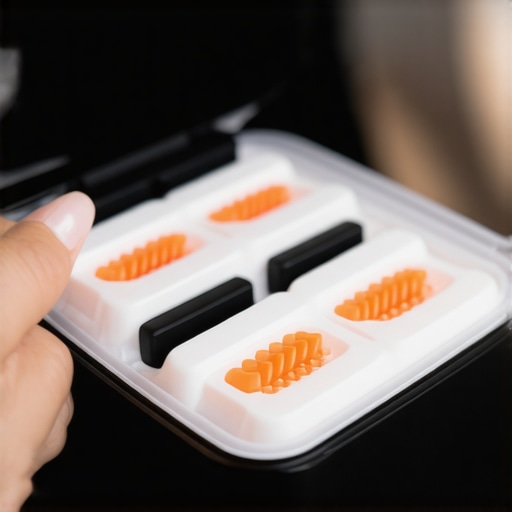
Choose sturdy, transparent cases that allow you to see the trays at a glance. High-quality cases also prevent accidental opening or crushing of the trays. Think of it as having a reliable toolbox—everything stays in place, ready for the next step. I upgraded my storage to a sleek, vented case, which improved hygiene and made handling easier.
Stay Consistent for Optimal Results
By adopting these concrete steps, you reinforce the habit of proper storage, ensuring your Invisalign trays stay clean, safe, and effective. Remember, in family dentistry, maintaining consistent practices like this can significantly impact your overall oral health, as highlighted in [family dentistry secrets](https://familydentistpro.com/family-dentistry-secrets-maintaining-oral-health-with-modern-techniques-at-254-pm). Making these small but deliberate efforts translates into a healthier, more confident smile.
 Many patients believe they understand their dental treatments thoroughly, but beneath these assumptions lie nuanced misconceptions that can influence oral health outcomes. One widespread myth is that all dental restorations or orthodontic options are interchangeable, but in reality, each has specific indications and limitations. For instance, while some think crowns are solely cosmetic, they actually play a vital role in reinforcing weakened teeth and preventing further decay, as detailed in [the ultimate guide to crowns](https://familydentistpro.com/the-ultimate-guide-to-crowns-for-a-healthier-smile). Similarly, there’s a misconception that Invisalign suits every orthodontic case; however, complex malocclusions might require traditional braces, despite what popular media suggests. Exploring these nuances can help patients make more informed decisions, aligning treatment options with their specific needs. Another misconception surrounds family dentistry, with many assuming it’s just about routine cleanings, but modern family practices incorporate advanced diagnostics, preventive strategies, and tailored treatment plans, emphasizing comprehensive care for all ages. A common mistake is underestimating the importance of early intervention, which can prevent more severe issues later.
What Advanced Signs Should I Watch For Beyond Basic Checkups?
Recognizing early signs of underlying problems, such as subtle bite changes or minor gum bleeding, can be crucial. According to dental research, ignoring these indicators can lead to more significant and costly procedures down the line. This is why regular visits and honest communication with your dentist are essential. Furthermore, many overlook the importance of maintaining consistent hygiene practices even after restorations or orthodontic treatments, which significantly extend their longevity and effectiveness. If you want to stay ahead, consider consulting expert advice like [why crowns are a game-changer in restorative dentistry](https://familydentistpro.com/why-crowns-are-a-game-changer-in-restorative-dentistry). The trap here is assuming that once a procedure is done, maintenance isn’t necessary—something that can lead to unnecessary complications. Remember, advanced care isn’t just about the technology; it’s about understanding your specific situation and following a personalized plan. Keep in mind that modern dentistry is evolving rapidly, integrating innovations that improve outcomes, as discussed in [Invisalign innovations](https://familydentistpro.com/invisalign-innovations-the-future-of-family-dentistry-revealed-at-1137-am). Do you see the importance of differentiating between common myths and facts? Let me know in the comments.
Maintaining your dental health and treatment results over time requires not just discipline but also the right tools and methods. From high-quality appliances to digital tracking, I personally rely on a mix of advanced equipment and software to ensure my family’s smiles remain healthy and beautiful. Incorporating these tools into your routine can dramatically improve outcomes and simplify long-term maintenance.
Why Investing in a Digital Intraoral Scanner Transforms Maintenance
One device I swear by is the dental intraoral scanner. Unlike traditional impressions, which can be messy and uncomfortable, a scanner provides quick, precise digital impressions. I use it regularly to monitor restorations, crowns, and orthodontic progress. This technology allows me to spot early signs of wear or misalignment, enabling proactive intervention. As technology advances, digital scanners are becoming more affordable, making them accessible even for small practices and DIY enthusiasts interested in tracking their oral health at home.
How do I maintain Invisalign trays with smart accessories?
For Invisalign users, I recommend employing specialized cleaning devices such as the UltrasonoClean. This ultrasonic cleaning system helps remove stubborn plaque and buildup from trays without risking warping. I personally use this twice weekly, combined with a gentle, non-abrasive cleaning solution. This ensures trays stay clear, odor-free, and effective throughout your treatment. As shown in recent Invisalign innovations article, maintaining tray hygiene is crucial for optimal results and oral health.
Why Sustainable Storage Solutions Matter for Long-Term Success
Preventing damage and contamination hinges on good storage. I personally use the SmileGuard custom tray case, which is durable, ventilated, and transparent—making inspection easy. Proper storage not only keeps trays clean but also extends their lifespan. In the future, I see a trend toward smart, connected storage devices that can monitor humidity and usage data, alerting users before trays degrade. Investing in such solutions now can save money and preserve oral health over the years.
Make Regular Digital Checkups Part of Your Routine
Embracing tele-dentistry tools for routine check-ins has been a game-changer. I schedule monthly virtual consultations with my dental professional, utilizing detailed photographs and videos from a high-resolution intraoral camera. This ongoing oversight helps catch minor issues before they escalate, ensuring treatments like crowns or orthodontics remain effective. Modern professional tips emphasize that consistent monitoring is key to maintaining long-term results.
Where Do I See This Trend Going?
Looking ahead, the integration of AI-driven diagnostics and personalized treatment apps promises even more precise and accessible maintenance solutions. Devices that track wear, detect early decay signs, or suggest optimal hygiene routines will become standard. Adopting these tools now can prepare you for a future where maintaining your smile is seamlessly integrated into daily life, ensuring your investments in treatments like crowns or Invisalign produce lasting results.
Try incorporating a digital intraoral scanner into your routine or using ultrasonic cleaning devices for your trays today. These advanced tools can help you stay ahead, ensuring your dental investments continue delivering confidence and oral health for years to come. Want to explore suitable solutions tailored to your needs? Contact your family dentist and start your journey toward smarter dental maintenance.
The Hardest Lesson I Learned About Crowns, Invisalign, and Family Dentistry
One of my biggest revelations was realizing that maintaining dental health is as much about proactive habits as it is about professional treatments. I used to think that once I invested in crowns or Invisalign, my role was mostly over—until I understood the importance of consistent care and advanced tools that support long-term success. This shift changed how I approached every dental appointment and daily routine, emphasizing prevention over repair.
My Go-To Resources for Smarter Dental Care
- Family Dentistry Secrets: This comprehensive resource opened my eyes to modern techniques that can keep the whole family smiling confidently. I trust it because of its well-researched advice and practical tips.
- Invisalign Innovations: Staying updated with the latest advances helps me maximize my treatment, ensuring trays stay clear and effective longer. I highly recommend reviewing this for insights into future-oriented aligner care.
- The Ultimate Guide to Crowns: This detailed guide helped me understand how crowns can be durable, natural-looking, and vital to restoring oral health. It’s my go-to reference for making informed decisions about restorative treatments.
- Contact Your Family Dentist: Personalized advice from a professional is invaluable. I’ve found that regular consultations and honest dialogue promote the best outcomes.
Your Smiles Deserve the Best—Take Charge Today
The journey toward healthier, confident smiles involves awareness, smart tools, and consistent effort. With the right knowledge and resources, you can ensure treatments like crowns and Invisalign continue to serve you well into the future. Remember, proactive care today paves the way for vibrant smiles tomorrow. Are you ready to embrace these habits and elevate your oral health? Let’s get started—your brighter smile is just a choice away.
,