
The secret to painless flossing for sensitive gums
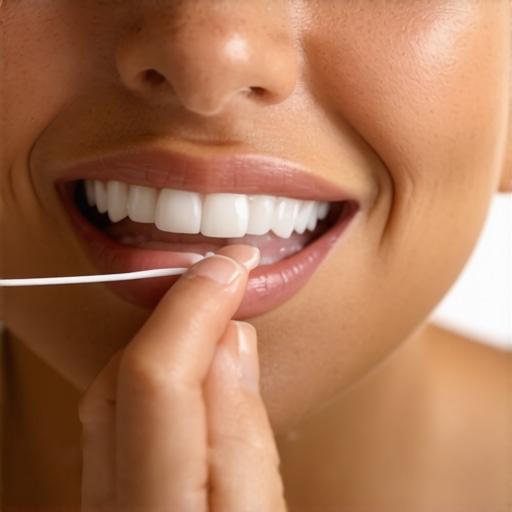
I remember the first time I painfully wrestled with my floss, feeling like I was tearing my gums apart. With sensitive gums that bleed at the slightest touch, flossing used to be my dreaded daily chore, leaving me frustrated and hesitant. One evening, after a particularly uncomfortable session, I had a lightbulb moment—what if there was a way to make flossing feel gentle and pain-free? That realization changed my entire approach to oral health.
The Hidden Challenge of Flossing with Sensitive Gums
Most people overlook the delicate nature of their gums, especially when they are sensitive or prone to bleeding. Flossing is crucial for removing plaque and preventing gum disease, yet many avoid it or do it incorrectly, risking more harm than good. Early in my journey, I made a common mistake: applying too much force or using the wrong type of floss. This only heightened my discomfort and bleeding, which made me dread the very act meant to protect my smile. Recognizing that technique and tools matter made all the difference.
Is Painless Flossing Really Possible?
Absolutely, but it requires understanding your gums and choosing the right methods. I discovered that gentle, proper flossing techniques combined with the right type of floss can significantly reduce pain and bleeding. Implementing these changes transformed my experience, allowing me to maintain oral health without discomfort. Curious how you can achieve the same? Keep reading—I’m sharing everything I’ve learned from personal experience and expert advice to help you enjoy pain-free flossing.
Did you know that improper flossing can actually damage your gums and accelerate recession? According to studies, aggressive flossing can cause more harm than good, especially for sensitive tissue. So, a gentle touch isn’t just comfort—it’s essential for health. Now, let’s explore the practical steps that will help you floss comfortably and effectively, starting with the right tools and techniques.
Choose the Right Flossing Tools
Start by selecting a floss designed for sensitive gums, such as silk or ultra-soft nylon floss. I once used regular waxed floss and ended up with bleeding gums; switching to a glide silk floss made my experience much smoother. The soft texture glides easily without damaging delicate tissue. Consider floss picks with cushioned tips if fingers cause discomfort, but ensure they allow gentle maneuvering around each tooth.
Master the Proper Technique
Use a gentle sawing motion to slide the floss between your teeth, avoiding forceful pushing or snapping. Wrap the floss in a C-shape around each tooth and gently move it up and down to clean the sides. I remember trying to floss hastily, which led to bleeding; slowing down and using a gentle touch made a significant difference. Think of flossing as guiding a delicate brush rather than scraping or gouging into your gums.
Focus on Gentle Pressure
Never force the floss into tight spaces or rub aggressively. Instead, let the floss do the work with light pressure. This approach prevents irritation and bleeding. Once, I had a stubborn spot where plaque seemed glued in; gently working the floss in small, controlled motions eventually dislodged it without discomfort or bleeding.
Incorporate Flossing Habitually
Set a routine by flossing at the same time each day, perhaps after brushing in the evening. Consistency helps your gums adapt and heal, reducing sensitivity over time. I found that starting with just one or two teeth was less intimidating, and gradually expanding to a full session built my confidence and minimized discomfort. Remember, gentle does it—rushing or overdoing will only trigger bleeding or pain.
Maintain Complementary Oral Hygiene
Pair flossing with a gentle, non-irritating mouthwash and soft-bristled toothbrush. Avoid aggressive brushing, which exacerbates gum sensitivity. Using an electric toothbrush with a sensitive mode can help maintain cleanliness without harming your gums. During my journey, I noticed that combined gentle flossing and soft brushing kept my gums healthy and less prone to bleeding, reinforcing that technique over force.
Patience is key—over time, your gums will toughen and become less sensitive. Regular, gentle flossing may seem slow at first, but it pays off with healthier, pain-free gums, making your daily routine a lot more manageable.
Many patients believe that Invisalign is merely a cosmetic solution, but in reality, its benefits extend far beyond appearance, influencing overall oral health and long-term dental stability. There’s a common myth that crowns are only for aesthetic repair, yet they serve as vital restorations that protect and reinforce compromised teeth, preventing further decay and structural damage. Similarly, some think that family dentistry is just about routine cleanings, but it encompasses comprehensive strategies tailored to every age, ensuring early detection and preventive care for your loved ones.
Confusingly, many overlook the subtleties that differentiate effective treatments from superficial fixes. For example, choosing the wrong type of Invisalign aligners or neglecting proper crown placement can lead to discomfort, relapse, or even additional procedures. These nuances are often misunderstood because of oversimplified information circulating online or misconceptions held by patients.
Why do some patients experience unexpected setbacks with Invisalign or crowns despite following advice? | Expert insight reveals that ignoring detailed treatment plans or settling for generic solutions can hinder progress and jeopardize results. For instance, subtle bite discrepancies or improper aligner seating can cause discomfort or slow treatment. A study published in the Journal of Clinical Orthodontics emphasizes that personalized treatment plans and meticulous monitoring are crucial for success, especially with complex cases. To avoid these pitfalls, consult with experienced professionals who tailor approaches to your unique situation. Learn more about how Invisalign transforms family dental care by visiting [this link](https://familydentistpro.com/how-invisalign-transforms-family-dentistry-in-2025).
Choosing treatment options should be a strategic decision rooted in comprehensive understanding and expert guidance, not just convenience or cost savings. Regular consultations with your dentist and staying informed about the latest innovations—like the advancements discussed in [family dentistry trends](https://familydentistpro.com/family-dentistry-trends-improving-oral-health-for-all-ages)—can make all the difference in achieving optimal results. Remember, the goal is not only a beautiful smile but also durable oral health that lasts for years. Have you ever fallen into this trap? Let me know in the comments.Maintaining your dental appliances and tools is crucial for ensuring long-term success, whether you’re using Invisalign aligners, crowns, or other family dentistry products. One essential tip is to invest in high-quality cleaning devices like ultrasonic cleaners, which use vibrations to remove debris from intricate surfaces, extending the lifespan and hygiene of your appliances. I personally swear by the VEVOR Ultrasonic Cleaner because it effectively dislodges plaque and biofilm from hard-to-reach areas, preventing buildup that can cause discomfort or damage. Regularly inspecting your Invisalign trays or crowns for signs of wear and discoloration is equally important; early detection allows for timely professional adjustments, avoiding costly replacements down the line. For cleaning solutions, I recommend using a non-abrasive, enzyme-based cleaner like Retainer Brite—it disinfects and keeps the plastic clear without scratching or degrading the material. Keeping your tools dry and storing them properly in a ventilated case also minimizes bacterial growth and material deterioration.
Anticipating future trends, I predict that advancements in antimicrobial coatings and smart sensors embedded in dental appliances will revolutionize long-term maintenance, offering real-time health monitoring and enhanced durability. To stay ahead, familiarize yourself with innovations like those discussed in the article about [Invisalign innovations](https://familydentistpro.com/invisalign-innovations-the-future-of-family-dentistry-revealed-at-1137-am), which highlight the trajectory toward more maintenance-friendly options.
How do I maintain my dental appliances for lasting effectiveness?
Regularly clean with ultrasonic devices, inspect for wear, and use gentle, enzyme-based cleaning solutions. Additionally, consult your dentist about professional check-ups to assess appliance fit and integrity. Remember, consistent maintenance not only prolongs the lifespan of your dental tools but also ensures they continue to serve their purpose in supporting your oral health. Why not try incorporating ultrasonic cleaning into your routine? It’s a simple step that can make a big difference in keeping your invisalign trays, crowns, and other appliances working perfectly for years to come. Stay proactive—your smile depends on it.
Lessons That Changed My Dental Journey Forever
- I realized that patience and gentle techniques are more powerful than force—I felt my gums healing and bleeding decreasing when I slowed down and focused on softness, not speed.
- The importance of personalized care became clear when I understood that what works for one person might harm another—consulting with specialists who tailor treatments made all the difference.
- Discovering that consistent, small habits outperform sporadic aggressive efforts inspired me to create a daily routine that truly supports lifelong oral health, including gentle flossing and mindful brushing.
My Toolbox for Smarter Dentistry
Considering tools like the VEVOR Ultrasonic Cleaner made a noticeable difference in maintenance; it’s reliable and gentle, perfect for cleaning Invisalign trays and crowns. I recommend Enzymatic Cleaners like Retainer Brite because they disinfect without damaging delicate materials. Books such as “The Dental Diet” by Dr. Steven Lin opened my eyes to the link between nutrition and oral health—truly transformative insights. Finally, subscribing to reputable sources like [Family Dentistry Trends](https://familydentistpro.com/family-dentistry-trends-improving-oral-health-for-all-ages) keeps me updated on innovations that enhance my dental care routine.
Your Smile’s Next Chapter Awaits
Embrace the journey towards a healthier, more confident smile by applying these lessons and tools. Remember, every small step toward gentle, consistent care builds a foundation for lasting oral wellness. Your future self will thank you for taking these proactive, informed actions today. Don’t hesitate—your happiest, healthiest smile is within reach. How will you start implementing these tips into your daily routine? Share your plans below and join the conversation about transforming dental care!