
Why Your Invisalign Aligners Keep Popping Off Your Molars
Have you ever sat in your bathroom, frustrated and bewildered, as your Invisalign aligner suddenly pops off your molar? That sinking feeling of hope dashed when yet another tray slips out just before you step out the door. I remember the first time it happened to me—I was in a rush, trying to get to work, and my aligner decided to give up mid-meal, leaving me fumbling in the mirror. It was more than an inconvenience; it felt like a step back in my whole orthodontic journey.
Why Do My Invisalign Aligners Keep Popping Off My Molars? A Personal Journey to Understanding
That recurring issue of aligners not staying put was perplexing and a little embarrassing. Was I doing something wrong? As someone who’s been through the Invisalign process, I can tell you that understanding why your aligners pop off is half the battle. Early on, I made the mistake of assuming that a snug fit isn’t that important—just wear them as much as you can, right? Well, that was a mistake. Proper fit isn’t just a comfort factor; it’s crucial for effective treatment. According to dental experts, a poorly fitting aligner can delay your progress and even cause discomfort or damage.
Over time, I discovered that several factors contribute to aligners slipping off molars—ranging from the shape of your teeth to how well you adhere to wearing instructions. But don’t worry, once I understood these triggers, I was able to address the core issues and keep my aligners in place much more consistently. Ready to learn what I wish I knew at the beginning? Let’s dive into the main causes and practical solutions that turned my Invisalign experience around.
Is Invisalign Really Worth All These Challenges?
At first, I questioned whether the convenience of removable aligners was worth the hassle. I even wondered if I should switch back to traditional braces. But with some adjustments and insights—like ensuring proper seating on molars—I found that Invisalign offers incredible benefits, from minimal lifestyle disruption to discreet treatment. In fact, innovations in Invisalign technology make it a highly effective choice for many families, which you can explore further at this recent article.
One thing I learned early on is that a common misstep is neglecting the importance of correct tray placement and dental anatomy awareness. Save yourself some time and frustration by paying close attention to how each aligner seats and using tips from professionals. If you’re facing persistent pop-offs, I encourage you to consult with your dentist or orthodontist—they can help diagnose specific issues and customize solutions for your unique mouth structure.
Now that I’ve shared what I’ve learned through my own experience, I’m excited to guide you through effective steps to keep your aligners secure. Whether it’s adjusting your technique or understanding the role of dental restorations like crowns, this journey will help you move closer to your ideal smile without unnecessary setbacks. Curious about the next actionable tip? Keep reading!
,
Properly Seat Your Aligners for a Better Fit
When I first experienced my aligners popping off, I realized I wasn’t seating them correctly. To fix this, I gently pressed down on each molar area after inserting the tray, ensuring it snugly nestled over the tooth. Use your fingers or a clean orthodontic tool to help seat the tray properly, especially around the molars, which are often challenging. This step is crucial because a misaligned tray increases the risk of popping off during the day. Remember, visualizing your bite like a puzzle can help—you want each piece, or in this case, each tray, to fit perfectly.
Maintain Consistent Oral Hygiene to Enhance Fit
Old food debris or plaque can prevent your aligners from seating fully. I learned this the hard way when my tray wouldn’t stay put after a meal. After brushing my teeth thoroughly, I rinsed the aligners in lukewarm water and gently brushed them with a soft toothbrush. This cleaning process removed any residue that could interfere with a snug fit. Think of your mouth and aligners as two puzzle pieces; cleanliness ensures they lock into place effortlessly, reducing unnecessary popping.
Address Dental Restorations Like Crowns Carefully
If you have crowns or other restorations, they can alter how your aligners fit. Crowns are like custom puzzle pieces—if they’re taller or reshaped, they might disrupt aligner seating, especially on molars. To avoid this, I scheduled a consultation with my dentist before starting Invisalign. They can evaluate if your crowns are suitable or if adjustments are needed. Find more about why crowns are a game-changer in restorative dentistry at this article. Proper planning ensures your aligners adapt perfectly around any restorations.
Use Chewies to Improve Tray Engagement
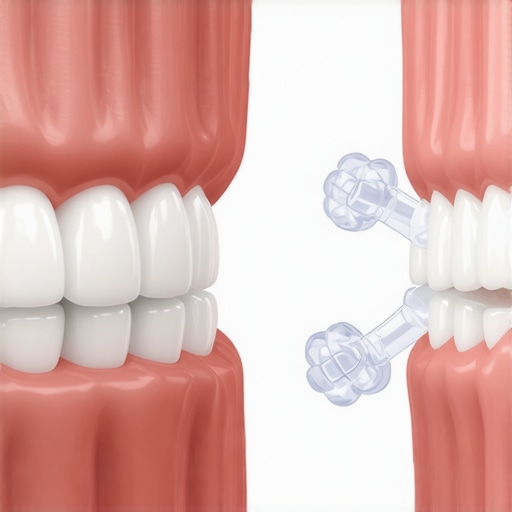
One technique I swear by is using Invisalign chewies—small, silicone pillows that help seat the aligner firmly onto your teeth. I placed a chewie on each molar, biting down firmly for about a minute. This action pushed any air out and adjusted the aligner perfectly over my molars. This step can significantly reduce pop-offs and ensures continuous pressure for effective movement. Think of it as pressing down on a stubborn stamp to make sure it sticks and aligns exactly.
Limit Food and Drink During Treatment
Eating or drinking with aligners in often causes them to shift or pop off, especially if the molars are involved. During my experience, I noticed that drinking coffee or eating sticky foods made my aligners loosen. I recommend removing your trays when eating or drinking anything other than water, then thoroughly cleaning your teeth and aligners before reinserting them. This habit not only helps keep aligners snug but also prevents staining and damage. Imagine your aligners as a delicate glove—keeping it clean and dry maintains its grip and clarity.
Seek Professional Advice When Persistent Issues Occur
If you’ve tried all these steps and your aligners still keep popping off, it’s time to consult your orthodontist. They can identify finer issues like bite misalignment or tray defects. I visited my dentist when I noticed persistent slipping, and they adjusted my trays or provided alternatives. Never ignore ongoing fit problems, as they can delay treatment progress. Professionals can also evaluate if your crown or dental restorations need modification to optimize comfort and fit. Discover more about choosing the right crown expert for long-lasting results at this link.
For many, there’s a misconception that once you’ve visited the dentist or gotten a crown or Invisalign, your work is done. But in reality, the nuances of oral health care are often overlooked, leading to common mistakes that can undermine even the most well-planned treatments. Let’s explore some of these pitfalls and why they matter for long-term dental success.
Are All Crowns Created Equal? The Truth About Material Choices
One widespread myth is that all dental crowns are interchangeable. In truth, selecting the right material depends on numerous factors, like location in the mouth, aesthetic demands, and functional needs. For example, porcelain crowns can mimic natural teeth but may be more prone to chipping if placed on molars that endure heavy biting forces. On the other hand, gold crowns excel in durability but are less aesthetic. Understanding these nuances helps prevent premature failure and unnecessary replacements. For a comprehensive comparison, consider reading this guide on crowns versus veneers, which explains material differences in detail.
The Overlooked Role of Oral Maintenance in Invisalign Success
Many people believe that wearing Invisalign trays is the only step toward a perfect smile. However, neglecting oral hygiene and routine check-ups can become silent enemies. Accumulated plaque, food debris, or improper cleaning can lead to cavities, gum disease, and even hinder teeth movement. Regular professional cleanings and meticulous at-home care are crucial—especially because aligners can trap bacteria if not cleaned properly. Advanced studies, like those published in the Journal of Clinical Orthodontics, reveal that patients with better oral hygiene experience fewer treatment delays. So, if you’re working toward Invisalign success, remember—clean teeth and regular professional advice are your best allies.Maintaining the effectiveness of your dental treatments like crowns or Invisalign requires a combination of the right tools, proactive habits, and an understanding of future trends. One essential device I personally rely on is the dental endoscope—a compact, handheld camera that provides real-time, high-resolution images of hard-to-see areas in your mouth. Using this tool, I regularly monitor areas around crowns and dental restorations, ensuring early detection of plaque buildup or issues that could compromise long-term results. This approach not only prevents problems but also helps me communicate more effectively with my dentist, making ongoing maintenance smoother and more precise. Looking ahead, advancements in intraoral scanning technology are poised to revolutionize dental health management by enabling fully digital, real-time assessments—think of it as having a mini dental lab at home. These innovations promise to make preventive care more accessible and less invasive, aligning with the trend towards personalized family dentistry.
To keep your dental appliances functioning optimally, incorporating a specialized water flosser equipped with targeted tips is a game-changer. I favor models that feature adjustable pressure settings and interchangeable nozzles, allowing me to focus on challenging areas like around crowns or between braces. The pulsating water effectively cleans plaque without damaging delicate restorations, making it an excellent long-term investment. Regularly using such devices helps maintain oral health, reduces the frequency of professional cleanings, and extends the lifespan of restorations like crowns. For added efficiency, pairing the water flosser with a battery-operated interdental brush can give you a comprehensive cleaning that reaches beneath the gumline.
How do I sustain these tools over time? Just like any piece of technology, routine maintenance is key. I clean my water flosser’s tips after each use with antibacterial wipes and descale the reservoir monthly using vinegar solutions, following manufacturer recommendations. Ensuring batteries are stored properly and replacing worn nozzles prevent malfunctions and maximize performance. These simple habits prolong the life of your tools, saving you money and hassle.
Looking forward, I predict that smart dental devices will become increasingly integrated with smartphone apps, offering real-time feedback and personalized advice. Imagine receiving alerts about potential issues before symptoms appear, or automatic scheduling for replacements and check-ups—sensor-enabled toothbrushes and flossers are already leading this charge.
To keep your treatments working effectively, don’t overlook the importance of professional oversight. Schedule regular visits and consult your dentist about integrating advanced tools into your routine. Ready to optimize your oral care? Try incorporating a high-quality water flosser with adjustable settings today, and observe how it complements your ongoing treatment efforts. For expert guidance tailored to your needs, reach out via our contact page, and let’s develop a maintenance plan that keeps your smile healthy and bright for years to come.
The Hardest Lesson I Learned About Family Dentistry and Invisalign
One of the most eye-opening lessons came early when I realized that neglecting the seating of my aligners was directly causing pop-offs. I used to assume a snug fit was enough, but understanding the importance of precise tray placement—and the role of dental anatomy—changed everything. Now, I make it a habit to double-check each seat, noticing small details that make a big difference in treatment progress.
Tools and Tips That Transformed My Oral Health Routine
Investing in a quality water flosser and using Invisalign chewies consistently became game-changers. They helped me maintain a cleaner, healthier mouth and ensured my aligners fit snugly. I trust brands that offer adjustable pressure settings, as they provide customized care. Regular professional cleanings and monitoring with intraoral cameras also helped catch issues early, preventing setbacks and ensuring my smile stayed on track.
The Power of Mindful Maintenance and Personal Care
One insight I wish I embraced sooner was the importance of thorough cleaning before reinserting aligners—removing debris and plaque ensures a better fit. Additionally, understanding how restorations like crowns affect aligner seating led me to consult my dentist proactively. This level of attentiveness lowers the risk of pop-offs and speeds up my journey toward a confident smile.
What Experts Keep Secret About Long-Term Oral Health
- Most people underestimate the impact of personalized tools—like targeted interdental brushes—in preventing gum recession and decay.
- Choosing the right crown material isn’t just about aesthetics; durability and compatibility with orthodontic appliances matter—see this guide on why crowns are a game-changer.
- Consistent communication with your dentist about emerging issues can save you time, money, and discomfort—don’t wait for problems to worsen.
Step Into Your Best Smile Today
My Invisalign journey taught me that proactive, mindful care makes all the difference. By applying these lessons and leveraging modern tools, you can transform your oral health with confidence. Ready to take charge of your smile and keep those aligners secure? Dive into your personalized family dentistry plan and watch your dental confidence soar. If you’re curious about where to start or need guidance, reach out through our contact page. Your brighter, healthier smile awaits—begin today!