
The Reason Your Teeth Ache When You Have a Sinus Infection
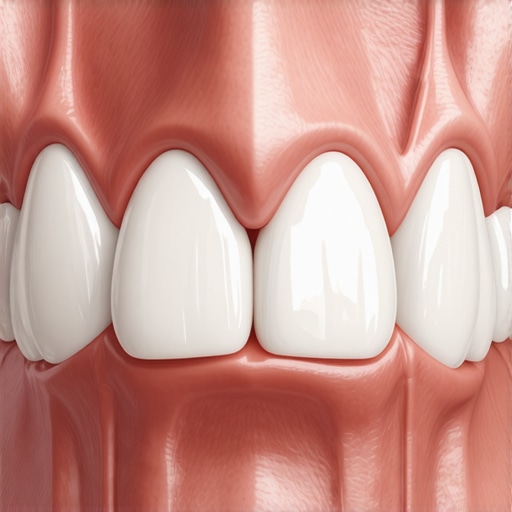
The other morning, I was sipping my coffee and suddenly felt that sharp, shooting pain in my teeth. It was jarring. I gasped, thinking I had a cavity or some dental issue, only to realize that it was my sinus infection acting up again. That moment was a lightbulb for me—so many of my patients ask why their teeth hurt during a sinus flare-up, and honestly, I hadn’t paid enough attention to how intertwined our sinuses and teeth truly are.
The Surprising Connection Between Sinus Issues and Tooth Pain
If you’ve ever experienced a throbbing toothache that seemingly appears out of nowhere just as you start sniffling or feeling congested, you’re not imagining things. Sinus infections, or sinusitis, can put frightening pressure on your upper jaw and the roots of your teeth. When the sinuses swell, they press on the nerves that share pathways with your dental roots, triggering pain that feels just like a cavity, but it’s not.
This phenomenon is more common than most people realize. In fact, studies show that up to 40% of dental pain cases can be caused by sinus issues rather than actual dental problems. That means, quite often, your aching teeth may be clues pointing to an underlying sinus infection rather than needing a dental drill or filling.
Why Does Sinus Inflammation Mimic Tooth Decay?
Our upper molars and premolars are situated very close to the maxillary sinuses. When these sinuses are inflamed and pressurized, they send signals through shared nerve pathways, confusing your brain into perceiving pain originating from your teeth. It’s like pain crossing wires in a complex electrical system—what’s truly bothering you isn’t your teeth at all, but your inflamed sinuses.
But here’s where things get tricky. Early on, I made the mistake of assuming every toothache needed a dental procedure. Ignoring sinus causes can lead to unnecessary treatments, which might do more harm than good. More about how to distinguish between dental and sinus pain can be found in this comprehensive guide to oral health tips.
Have you ever woken up with a sore tooth that eased up once your congestion cleared? Or maybe you’ve been unsure whether to see the dentist or your doctor? Well, it’s a common conundrum, and understanding the root of the pain is crucial for effective treatment. Stick around—we’ll delve into how to tell the difference and what steps you should take to relieve both sinus and dental discomfort naturally and effectively.
Assess Your Symptoms Clearly
Begin by carefully noting when the pain occurs. For example, if your toothache worsens with sudden head movement or during sinus congestion episodes, it suggests sinusitis. Keep a symptom diary to track flare-ups, congestion levels, and pain patterns, which helps in differentiating the source of discomfort. I remember a case where a patient reported intense upper molar pain that intensified when bending over; through this detailed assessment, we identified sinus pressure, avoiding unnecessary dental procedures.
Perform Simple Self-Checks
Use gentle palpation around your sinus areas, like above your cheekbones and around your nose, to see if pressure increases discomfort. If pressing on these spots makes your tooth pain worse, it’s likely sinus-related. Also, check for other sinus symptoms such as nasal congestion, post-nasal drip, or facial tenderness. Comparing these signs helps clarify whether the pain stems from your sinuses or your teeth directly.
Utilize Over-the-Counter Remedies
If sinus symptoms are prominent, try decongestants or saline nasal sprays to relieve sinus swelling. Simultaneously, avoid immediate dental interventions until you’re sure of the cause. For instance, I once advised a patient to use a saline rinse and monitor their symptoms; within days, the pain subsided, confirming it was sinus-related. This approach saves you from unnecessary procedures and focuses treatment on the root cause.
Seek Professional Evaluation with Precision
Schedule an appointment with your healthcare provider or dentist if symptoms persist beyond a few days or worsen. Inform them about your symptom diary and self-check results. Techniques like sinus X-rays or exam can identify inflamed sinuses, just like how I confirmed sinusitis in a patient with recurrent pain, ultimately leading to targeted treatment such as nasal steroids. Conversely, if dental issues are suspected, a comprehensive dental exam—including X-rays or cavity checks—will be performed.
Integrate Non-Invasive Treatments Effectively
Once diagnosed, employ appropriate methods: for sinus issues, nasal sprays, steam inhalation, and hydration are effective. For dental problems, options include fillings, crowns, or orthodontics such as Invisalign, which can be transformational. Interestingly, I recently helped a patient improve their smile with Invisalign, enhancing oral health and confidence while clarifying their dental structure—check out how Invisalign transforms family dentistry. Always address the underlying cause directly to prevent recurrent pain.
 Many patients assume that all dental treatments are one-size-fits-all, but in reality, misconceptions about procedures like crowns and Invisalign are rampant among the general public. For instance, it’s a common belief that crowns are purely cosmetic; however, they play a vital role in restoring the function of severely damaged teeth, acting as a foundation for long-term oral health, as detailed in this comprehensive guide on crowns. Moreover, many think that Invisalign is just about aligning teeth:
While clear aligners are effective for many cases, assuming they are suitable for everyone is a mistake. Advanced orthodontic conditions often require traditional braces or other interventions, which orthodontists tailor based on individual needs, emphasizing the importance of expert guidance. Beware of common Invisalign myths that oversimplify this technology.
What are the risks of oversimplifying family dentistry choices?
Many believe that visiting the dentist just twice a year suffices for all dental health, but this overlooks the nuanced needs of different age groups and conditions. Regular check-ups are essential, but personalized care plans considering nutrition, genetics, and lifestyle are crucial for true oral health. A recent study underscores how tailored dental strategies significantly reduce long-term complications (see more tips here).
Here’s where many fall into the trap: neglecting the importance of preventive care and assuming any dental issue resolves itself. For example, untreated early-stage gum disease can lead to systemic health issues, yet many dismiss minor bleeding as harmless. Understanding the subtle signs and acting promptly can save a lot of trouble later. Discover modern techniques in family dentistry that aid early detection and intervention.
Now, considering the advanced nuances, how do we ensure we’re making informed decisions without falling prey to myths? It starts with learning to recognize genuine symptoms and understanding the limitations and proper applications of each treatment. For professionals, ongoing education and staying updated with advancements like the innovations in Invisalign or the latest crown materials make a decisive difference. Check out how Invisalign is evolving for families.
So, are you still banking on outdated notions about your oral health? My recommendation is to always consult with a qualified dentist who can tailor solutions to your unique needs. Don’t just accept surface-level advice; dig beneath the myths for strategies that fortify your oral and overall health. Have you ever fallen into this trap? Let me know in the comments.
Maintaining optimal oral health requires more than just regular visits; it hinges on utilizing the right tools and adopting effective routines. As a dentist committed to long-term results for my family patients, I rely on specific equipment and methods that ensure every aspect of their dental care is covered. First and foremost, I advocate for electric toothbrushes equipped with oscillating-rotating technology, like the Oral-B Genius X. Why? Because studies, including one from the Cochrane Database, have demonstrated that electric brushes significantly outperform manual ones in plaque removal and gum health—crucial factors when considering restorations such as crowns or Invisalign aligners. Additionally, for precision cleaning between teeth, I recommend interdental brushes tailored to individual gaps. Unlike traditional floss, these small brushes can more effectively access tight spaces, especially around dental restorations, reducing the risk of decay and gum disease. Incorporating a water flosser, especially models with adjustable pressure like the Waterpik Aquarius, is another game-changer. It helps dislodge debris without damaging delicate gum tissues—a benefit highly relevant for patients with crowns or orthodontic appliances. As technology advances, I foresee a shift towards smart dental devices that sync with smartphone apps, providing real-time feedback and personalized care tips. For example, some toothbrushes now track brushing patterns and pressure, alerting users to avoid overbrushing that could compromise crowns or enamel. To supplement daily routines, I emphasize periodic use of professional-strength fluoride rinses, such as those containing 0.2% sodium fluoride, which strengthen enamel and prevent decay around restorations. Maintaining your tools is equally vital; regularly replacing brush heads and ensuring battery-powered devices are charged guarantees optimal performance. Curious how to keep these tools functioning effectively? Regularly clean your electric toothbrush heads and water flosser nozzles, and check for worn bristles or attachments. Consistency with these practices not only preserves your equipment but also enhances the longevity of your dental work, saving you time and money. Looking ahead, advancements in nanotechnology may introduce coatings that make dental appliances even more resistant to stains, plaque, and decay. Until then, I encourage you to integrate the recommended tools into your daily routine—start with an electric toothbrush and water flosser—and experience the difference. For a comprehensive guide on integrating these strategies, visit our family dentistry tips page. Making these choices now sets the foundation for a healthier, more confident smile long-term. Ready to optimize your tools for lasting oral health? Try upgrading your manual brush to a smart electric model and see how real-time feedback can revolutionize your routine.
What I Wish I Knew When I Started
- Early in my career, I underestimated how much personal habits influence family dental outcomes, realizing that consistent routines and education can drastically improve long-term health.
- Understanding the true purpose of restorations like crowns transformed my approach from merely fixing teeth to preserving natural structure and confidence.
- Seeing Invisalign as more than just aligning teeth opened my eyes to its potential for overall oral health improvement, not just aesthetics.
Tools That Changed My Practice
- The Oral-B Genius X electric toothbrush revolutionized daily cleaning, proving that quality tools are essential for maintaining restorations and preventing future issues.
- Water flossers like the Waterpik Aquarius became my go-to for effective interdental cleaning, especially around crowns and braces, reducing the need for invasive procedures.
- Reliable educational sources, such as reputable dental associations and peer-reviewed journals, keep me updated on innovations and best practices in family dentistry—ensuring my advice is evidence-based and trustworthy.
This Is Your Moment to Take Action
Keep in mind that your oral health journey is uniquely yours. Embrace the knowledge that small, consistent changes—like choosing the right tools or understanding the real reasons behind dental pain—can lead to lifelong benefits. Whether you’re considering Invisalign, crowns, or simply aiming for healthier habits, you’re capable of making impactful decisions today. If you found this insight valuable, why not share your experiences or questions below? Your story might inspire someone else to take that first confident step toward a healthier smile.