
The secret to cleaning coffee stains off your clear aligners
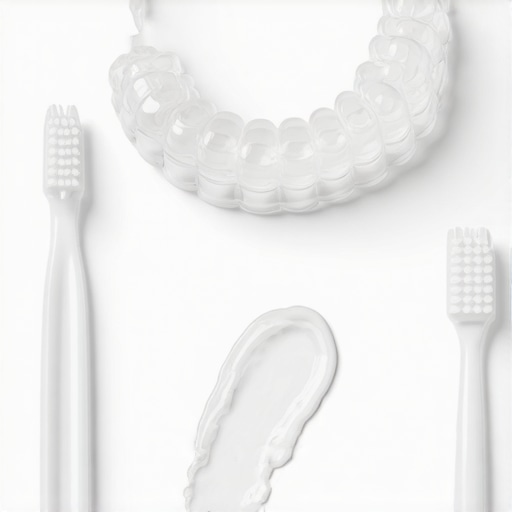
I remember the first time I spilled coffee on my clear aligners. It was a hectic morning, and I was in a rush to get to work. As I hurriedly rinsed and brushed, I realized that stubborn coffee stain was not going away. That lightbulb moment hit me—these stains aren’t just unsightly; they can compromise the transparency and effectiveness of my aligners. If you’ve ever faced the frustration of tryng to keep your aligners crystal clear amidst daily coffee cravings, you’re not alone. Today, I’m here to share the tips and tricks I’ve learned over the years to effectively clean coffee stains from your clear aligners without damaging them or wasting precious time.
Why Coffee Stains Are More Than Just a Nuisance
Many people underestimate how coffee can stain clear aligners. Coffee contains tannins that can cling to the plastic, leading to dullness and discoloration over time. Not only does this affect your confidence when smiling, but some stains could even attract bacteria, risking oral health. I made the mistake early on of using harsh cleaners and scrubbing aggressively, thinking I was cleaning thoroughly. Instead, I damaged my aligners’ surface and made stains worse. A trusted source from the American Dental Association confirms that improper cleaning can lead to bacterial buildup, which isn’t ideal for anyone trying to maintain good oral hygiene while straightening their teeth.
So, why does this matter now? Because many of us are glued to our morning coffee routines, and dealing with stained aligners can feel like an uphill battle. But fear not! There are simple, effective methods that protect your aligners and keep them looking new. In the sections ahead, I’ll walk you through my tried-and-true techniques that have saved me multiple times from embarrassing, stained aligners. Whether you prefer natural remedies or specialized cleaning solutions, you’ll find something that works for your lifestyle.
Are You Wasting Time with the Wrong Cleaning Hacks?
Early in my journey, I wasted hours trying every DIY trick under the sun—vinegar, lemon juice, even baking soda. Sadly, some of those methods either didn’t work or risked damaging my aligners. I learned that patience, consistency, and the right cleaning products are key. For a comprehensive approach, I recommend checking out the detailed guide on how to properly care for your dental appliances. Remember, the goal is to remove stains without harming the material or your oral health.
So, have you ever struggled with stubborn coffee stains on your aligners or wondered if there’s a safe way to restore their clarity? If so, keep reading—I’ve got practical solutions ready just for you!
Start with a Soak: Mild is Key
Before scrubbing, immerse your aligners in a solution of equal parts warm water and white vinegar for 15 minutes. I recall dropping mine into this mixture after a particularly stubborn coffee stain appeared. The vinegar’s acetic acid breaks down the tannins, making stains easier to remove without harsh chemicals. Avoid using hot water, as it can warp the plastic. After soaking, rinse thoroughly with cool water.
Gentle Brushing Techniques
Use a soft-bristled toothbrush and non-abrasive toothpaste or a specialized aligner cleaner. Gently brush all surfaces in a circular motion, focusing on stained areas. I once tried aggressive scrubbing, which left tiny scratches, trapping more stains in the future. Remember, damage to the surface can make stains harder to clean and compromise the aligners’ transparency. If stained areas persist, revisit the soaking step.
Utilize Baking Soda Paste
Create a paste with a teaspoon of baking soda and a few drops of water. Apply it to stained regions and let it sit for 10 minutes. The mildly abrasive nature of baking soda helps lift stains without scratching. I achieved a noticeably clearer look after a few applications. Rinse thoroughly afterward to remove any residue.
Deep Cleaning with Commercial Solutions
For tougher stains, consider using an over-the-counter aligner cleaning tablet, such as those designed for clear braces. Follow the manufacturer’s instructions carefully. These products often contain ingredients that safely break down stains and bacteria. I used one once and was amazed at how it restored my aligners’ clarity, saving me from replacements.
Preventive Measures and Routine Care
To keep stains at bay, rinse your aligners immediately after coffee or any pigmented drinks. Regular cleaning prevents buildup. Avoid colored mouthwashes or harsh soaps, which can cause cloudiness or damage. Incorporating these steps into your daily routine prolongs the translucency of your aligners and maintains oral hygiene.
Additional Tips and Precautions
Never use bleach, boiling water, or alcohol-based cleaners—they can warp or discolor your aligners. Also, avoid using citrus-based cleaners or lemon juice; the acidity may degrade the material over time. Consistency is crucial; cleaning your aligners at least twice daily ensures stains don’t set in, saving you from more intensive cleaning later.
While many people think they understand family dentistry, several misconceptions can hinder optimal oral health outcomes. One widespread myth is that all dental crowns are alike; in reality, choosing the right type depends on your specific needs, whether for strength or aesthetics. Experts from the American Dental Association emphasize that improper crown selection can lead to increased wear or failure over time; exploring the nuances in material choices can significantly impact long-term results. Similarly, the misconception that Invisalign is only for mild orthodontic issues overlooks advanced innovations that enable treatment for complex cases, as detailed in recent industry studies.
Are You Overlooking the Hidden Impact of Advanced Techniques?
Many assume traditional braces are always better, but modern solutions like Invisalign utilize precise tooth movement and allow for better control and comfort, especially in complex cases. For instance, digital scanning and custom aligners can reduce treatment time and improve outcomes—if you understand and leverage these technologies. Check out how Invisalign innovations are transforming family dentistry in recent articles, and consider if you’re missing out on these benefits. Furthermore, concerning oral health routines, the myth that brushing harder cleans better can cause enamel erosion and gum recession—a costly mistake. Gentle, methodical cleaning paired with the right tools matters more than brute force. Incorporate knowledge from leading dental research, such as studies published in the Journal of Clinical Dentistry, to refine your approach.
What’s the Real Deal with Preventive Care?
Many believe that routine checkups are optional. However, early detection of issues like developing cavities or gum disease prevents costly, invasive procedures later. Family dentists now emphasize personalized preventive plans that include advanced diagnostics like laser fluorescence or digital X-rays, which provide more accurate assessments. If you want to optimize your family’s oral health, understanding these nuances can be a game changer. Finally, beware of the trap of ignoring underlying causes of dental issues—symptomatic treatments might mask problems but not resolve them. Regularly engaging with your dentist and staying informed about emerging techniques can help you avoid costly mistakes and ensure long-lasting oral health. Want to learn more about how personalized family dentistry can elevate your oral hygiene? Visit our comprehensive guides or contact us to discuss your needs—your smile deserves expert care. Have you ever fallen into this trap? Let me know in the comments.Maintaining optimal oral health over time requires the right tools and a disciplined approach. Personally, I swear by using a high-quality ultrasonic toothbrush like the Philips Sonicare FlexCare Platinum because it provides consistent, gentle cleaning with superior plaque removal compared to manual brushing. Its sonic technology produces over 31,000 strokes per minute, reaching areas that manual brushes often miss, which is crucial for preventing long-term issues such as cavities and gum disease. Additionally, I incorporate a water flosser, such as the Waterpik Aquarius, to effectively clean between teeth and below the gumline, especially around crowns and implants, where traditional flossing can be challenging. The pulsating stream not only removes debris but also stimulates blood flow, promoting healthy gums. For monitoring my oral health, I rely on LED dental mirrors, which light up hard-to-see areas, making everyday inspections more thorough. These tools, combined with routine visits to a skilled family dentist, help me catch issues early and ensure my smile remains bright and healthy.
Lessons Only Experienced Family Dentists Learn the Hard Way
One of the most valuable lessons I’ve gathered is that patience and consistency trump quick fixes when it comes to dental care—especially with cleaning aligners stained by coffee. Rushing to scrub often causes micro scratches, trapping stains and making the problem worse. I’ve found that gentle soaking, combined with the right tools, prevents this trap. Also, investing in quality tools like an ultrasonic toothbrush and water flosser has revolutionized my routine and kept stains at bay. Lastly, I realized that educating myself about the materials in my aligners and avoiding harsh chemicals preserves their clarity and extends their lifespan more than any DIY remedy I tried early on.
Tools and Resources That Transformed My Approach
My essential toolkit for maintaining clear aligners includes a Philips Sonicare FlexCare Platinum electric toothbrush, which offers superior plaque removal without damaging the surface. I also rely on water flossers such as the Waterpik Aquarius for between-Teeth cleaning—perfect around crowns and aligners. For stain removal, I swear by over-the-counter aligner cleaning tablets; they’re convenient and proven effective. To deepen my understanding, I recommend exploring the comprehensive articles on crowns and restorative solutions and Invisalign innovations. These resources help me stay informed and make smart choices for my family’s oral health.
Keep Your Smile Bright and Your Confidence High
Remember, your smile is a vital part of your confidence and well-being. If you’re like me, coffee is a daily joy—and maintaining beautiful, stain-free aligners helps keep that confidence shining through. Take small, consistent steps—soak your aligners in vinegar, brush gently, and incorporate deep cleaning solutions regularly. Don’t let stains steal your sparkle; your future self will thank you for the effort! If you’re ready to take your family’s oral health to the next level, explore more about the latest techniques and quality tools available—your smile deserves it. Want to share your stain removal tips or ask questions? Leave a comment below and join our community of health-conscious smile enthusiasts!