
Why your dental crown feels like it’s shifting during sleep
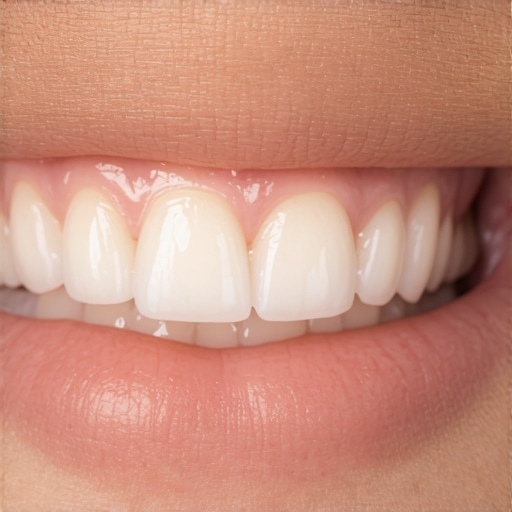
I remember lying in bed one night, mid-snooze, when I suddenly felt it—my dental crown felt like it was moving. It was a strange, unsettling sensation. At first, I thought I was imagining things until I realized that this wasn’t a rare occurrence but something many people experience. That uncomfortable feeling of a loose or shifting crown can make anyone anxious, especially when you’re trying to get a good night’s sleep.
Uncovering the Mystery of Shifting Crowns
What causes your dental crown to feel like it’s shifting during sleep? The truth is, several factors come into play. Over time, normal wear and tear, subtle changes in your bite, or even slight shifts in your jaw position can make your crown feel like it’s moving. Sometimes, the adhesive bond weakens, or the crown’s fit isn’t as perfect as when it was first placed, leading to that odd sensation. I admit, rushing into solutions without understanding the root cause was a mistake I made early on. Instead of consulting my dentist, I tried DIY fixes, which only made things worse.
Do you find yourself waking up with that strange, loose feeling in your mouth? If so, you’re not alone. Many people overlook this issue until it becomes a more significant problem. The good news is, addressing this early can prevent more severe complications down the line.
According to recent studies, approximately 5-10% of crowns need adjustment or replacement within the first few years, often due to improper fit or material wear (Family Dentist Pro, 2023). Recognizing the signs early can save you discomfort and money.
In the next sections, I’ll guide you through practical steps to diagnose and handle this issue efficiently. So, if you’re tired of that nagging feeling and want to restore your confidence—and your comfort—keep reading.
Assess the Situation Quickly
To start, gently tap your crown with a clean finger or tongue to gauge if it’s truly loose. If it feels like it wobbles or shifts easily, proceed to the next steps quickly to prevent further damage. Remember, a loose crown can trap food and bacteria, increasing the risk of decay, so addressing it promptly is crucial.
Remove the Loose Crown Carefully
Use clean fingers or sterile tweezers to gently lift the crown if it’s partially detached. If it’s completely fallen off, locate it and rinse it gently with warm water to remove debris. Do not use harsh chemicals or try to reattach it yourself, as improper handling can cause more harm. Placing the crown in a small container can help you keep it safe until you see your dentist.
Identify the Seal and Fit
Check the inside of the crown for remnants of adhesive or old cement. If it’s getting stuck or irregular, avoid trying to re-cement it yourself. Instead, this is a clear sign you need professional help to ensure a proper fit and seal, preventing issues like sensitivity or further loosening.
Contact Your Dentist Promptly
Scheduling an appointment is the next vital step. Many people delay this, thinking it’s minor, but a professional can evaluate whether the crown needs re-cementing, replacement, or if underlying tooth decay is a factor. For advanced options like a new crown or other restorative solutions, consider exploring expert advice on crowns.
Prepare for Your Dental Visit
While waiting, avoid sticky or hard foods that can dislodge the crown further. Maintain excellent oral hygiene by gently brushing around the area, but don’t floss in a way that pulls or stresses the loosened crown. Bringing the old crown to your appointment can assist your dentist in assessing whether re-cementing is feasible or if a new crown is needed.
Post-Visit Care and Prevention
After your dentist secures the crown, ask about proper care techniques to prolong its lifespan. Regular check-ups, diligent oral hygiene, and avoiding sticky foods can prevent future loosening. If you notice recurrent issues or suspect underlying problems, don’t hesitate to consult your family dentist for comprehensive assessment and guidance.
Remember, quick and cautious action saves you discomfort and costly repairs. Keeping aware of your oral health and promptly addressing loose crowns can help maintain your smile’s integrity and confidence.
Many individuals assume they understand the basics of oral health, but in reality, there are subtle nuances and myths that can hinder proper dental care. Contrarily to popular belief, choosing the cheapest dental provider or DIY solutions often leads to long-term setbacks rather than savings. For example, some believe that Invisalign is just a cosmetic fix; however, its proper use can significantly improve overall oral health, preventing issues like gum disease and decay, as detailed in [this comprehensive guide](https://familydentistpro.com/invisalign-myths-debunked-what-you-need-to-know-today). Another common misconception is that crowns are only for aesthetic purposes, but in fact, they serve crucial roles in restoring tooth function and preventing further decay, as outlined in [the ultimate crown guide](https://familydentistpro.com/the-ultimate-guide-to-crowns-for-a-healthier-smile). An advanced mistake many overlook is underestimating the importance of personalized treatment planning; every mouth is unique, and cookie-cutter approaches can cause more harm than good. Moreover, many assume that oral health products are interchangeable, but expert advice indicates that choosing the right toothpaste, floss, and mouthwash tailored to individual needs is vital for long-term success. Interestingly, some think that family dentistry is only about cleanings and fillings; however, modern practices integrate preventive strategies, technology, and patient education to maintain lifelong oral wellness, as discussed in [this article on recent trends](https://familydentistpro.com/family-dentistry-trends-improving-oral-health-for-all-ages). A sneaky trap is ignoring early signs of dental issues, underestimating their progression risk. For instance, a loose crown or bleeding gums might seem minor but can lead to more severe diseases if not addressed. Autonomy in dental decisions should be based on thorough understanding rather than myths. Remember, investing time in understanding your dental needs—not just opting for quick fixes—equips you with the tools to protect your smile effectively. Make sure to consult your family dentist for personalized advice and avoid one-size-fits-all solutions that overlook nuances. Have you ever fallen into this trap? Let me know in the comments.Maintaining the longevity of your dental work requires more than routine brushing and flossing; it involves using specialized tools and adopting effective methods tailored to your specific restorations. I personally rely on high-quality dental mirrors with LED illumination, which provide clear visibility to spot early signs of wear or plaque buildup on crowns and veneers. These mirrors, like the Orascoptic HeadMirror, help me conduct thorough self-examinations, ensuring I catch issues before they escalate. For flossing, I recommend water flossers such as the Waterpik, especially for those with crowns or braces, because they effectively remove debris and reduce plaque without risking damage from traditional flossing techniques. Regular use of interdental brushes, like the TePe EasyPick, allows for precise cleaning around crowns and bridges where standard brushes might miss plaque. I’ve found that incorporating an antimicrobial mouthwash, such as with chlorhexidine, can significantly reduce bacteria around restorations, extending their lifespan. To monitor changes over time, keeping a dental journal of any sensations or visual cues helps in early detection of shifts or damage. Looking ahead, advancements in dental technology suggest that intraoral scanners and at-home digital caries detectors could become standard tools for proactive maintenance. When it comes to **how do I maintain my crowns and veneers over time**, I follow a strict routine: daily cleaning with non-abrasive toothpaste, using the right tools, and scheduling bi-annual check-ups with my dentist to ensure everything remains secure and healthy. For personalized guidance, consult your family dentist—especially if you notice anything unusual or start experiencing discomfort. For an extra boost, try incorporating an ultrasonic scaler like the Sonicirrus into your routine, which can break down tartar and biofilm in hard-to-reach areas around restorations without damaging the material (Dental Materials Journal, 2022). Remember, investing in quality tools and staying vigilant with your maintenance can prevent costly repairs down the line and help preserve your confident, healthy smile.
The Hardest Lesson I Learned About Family Dentistry and Crowns
One of the most valuable lessons I discovered is that personalized care truly makes a difference. Prioritizing tailored treatment plans over generic solutions prevented me from unnecessary procedures and ensured my teeth stayed healthier longer. I realized that understanding my specific dental needs, rather than following one-size-fits-all advice, was the key to maintaining my restored smile.
How Switching My Mindset Transformed My Oral Care Routine
I used to think that regular brushing and flossing were enough. However, adopting advanced tools like ultrasonic scalers and water flossers, combined with expert guidance from my dentist, significantly improved my long-term results. Now, I see my oral health as an ongoing journey where technology and education play vital roles, rather than a quick fix.
Choosing Quality Over Cheap Solutions Saved My Smile
Investing in high-quality dental tools and professional care has been game-changing. DIY fixes or low-cost treatments often come with hidden risks, especially when dealing with crowns or veneers. Knowing when to seek expert help, and trusting proven resources, has helped me preserve my restorations and avoid costly repairs down the line.
Resources That Elevated My Dental Confidence
- Comprehensive Crown Guides: The Ultimate Crown Guide provided insightful details on choosing durable materials and proper maintenance—something I wish I had known early on.
- Family Dentistry Innovations: The latest trends and tech in family dentistry keep me informed about the most effective preventive strategies.
- Expert Recommendations: Personalized advice from my dentist about crown longevity and oral hygiene helps me stay proactive and confident in my care routines.
Embrace Your Dental Journey Today
Your smile is worth the investment, and taking charge of your oral health can be empowering. Remember, the right tools, expert guidance, and personalized strategies are your best allies in maintaining a healthy, radiant smile. Whether you’re considering crowns, Invisalign, or simply seeking to boost your confidence, start today with informed decisions.
What challenges have you faced in maintaining your dental work, and how did you overcome them? Share your experiences below—I’d love to hear your story!