
Why your dental implant area feels itchy during healing
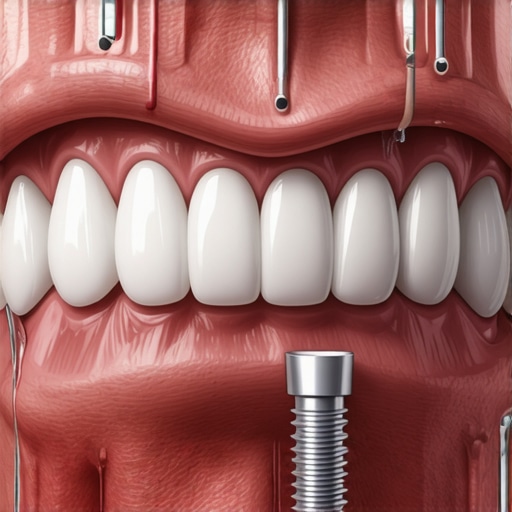
It was just another Tuesday morning when I caught myself scratching at my new dental implant like a nervous cat. The sensation hit me unexpectedly—an itchy, prickly feeling right where my implant was healing. At first, I thought it was a sign of trouble, maybe infection or rejection. I’ve been through many dental procedures, but that discomfort threw me off. Have you ever experienced that uncomfortable itch after your implant placement? You’re not alone, and surprisingly, it’s quite common.
Understanding the Itch: Why It’s More Than Just Skin Deep
In the early days of healing, an itchy feeling in the implant area can be unsettling. It might seem like an abnormal sign, prompting worries about complications. But in reality, this sensation often results from the body’s natural healing process. As new tissue forms around the implant—called osseointegration—your body’s immune response ramps up, leading to increased blood flow and nerve activity, which can trigger itching. Interestingly, according to a study published in the Journal of Oral Implantology, mild irritation and itching are typical parts of healing, especially when new tissue is integrating with the implant surface. Knowing this helped me stay calm and avoid unnecessary panic, but for many, it raises questions about whether the itch is a warning sign or just a normal phase.
Have you faced this issue yourself and wondered if it’s something to worry about?
Early in my experience, I made the mistake of ignoring the itch, thinking it was insignificant. That was a mistake. Ignoring symptoms can sometimes mask underlying issues like infection or allergic reactions. I learned that paying attention and consulting my dentist promptly can make all the difference. If you’re feeling unsure, always check with a professional. For comprehensive guidance on implant care and common concerns, visit this article for signs your implant may be failing.
So, what can you do about that persistent, itchy sensation? The good news is, there are practical steps you can take to alleviate discomfort and facilitate healing. But first, understanding the root causes is key to addressing the problem effectively. Let’s explore what might be happening beneath the surface and how you can navigate this phase confidently.
Cleanse the Area Gently
The first action I took during my particular experience was to rinse my mouth with warm salt water twice daily. This simple antimicrobial step helps to reduce bacteria and soothe irritated tissues, preventing potential infection. Make sure to use a teaspoon of salt in eight ounces of warm water, swish gently for 30 seconds, then spit out. This promotes healing and diminishes discomfort. Consistency is key—stick with it for several days to observe improvement.
Maintain Oral Hygiene with Precision
Proper oral hygiene forms the backbone of successful healing. Use a soft-bristled toothbrush or a water flosser to carefully clean around the implant site without causing trauma. Avoid vigorous scrubbing, which can aggravate tissues. I also applied an antibacterial gel recommended by my dentist, which accelerates tissue regeneration and reduces itchy sensations. Regular cleaning prevents plaque buildup that might lead to inflammation, a common cause of persistent itching. For tailored advice, consider consulting your dental professional or visiting this contact page.
Adjust Your Diet to Support Healing
What you eat directly influences your recovery speed. I limited my intake of spicy, acidic, or crunchy foods that could irritate the healing tissue. Instead, I focused on soft, nutrient-rich options like yogurt, mashed potatoes, and smoothies. Staying hydrated with water—avoiding sugary or caffeinated drinks—also helps flush out irritants and keeps tissues moist. These steps reduce mechanical irritation and support the body’s natural healing response, lessening the itchiness over time.
Use Contraindication-Aware Topicals
Over-the-counter topical analgesics or anti-inflammatory gels can provide temporary relief. However, always consult your dentist before applying any product directly to the implant area. During my experience, I used a prescribed gel containing chlorhexidine, which reduced inflammation and calming the nerve endings responsible for itching. Avoid excessive application and follow dosage instructions to prevent adverse effects, ensuring safe relief during healing.
Monitor and Avoid Irritants
Identifying potential irritants is vital. I noticed that certain oral hygiene products with strong flavors or alcohol aggravated my symptoms. Switching to mild, alcohol-free toothpaste helped mitigate irritation. Additionally, refraining from smoking and alcohol consumption accelerated healing and reduced inflammatory responses, thus lessening the itchiness. Observe your symptoms and eliminate possible triggers proactively to promote comfortable healing.
Seek Professional Consultation When Necessary
If your symptoms persist beyond a week or worsen despite these measures, consulting your dentist is crucial. Persistent itching may signal infection, nerve irritation, or allergic reactions requiring medical intervention. During my visit to family dentistry services, I learned that early diagnosis prevents complications and ensures a smooth recovery. Do not delay professional advice if discomfort intensifies or is accompanied by swelling, pus, or bleeding, as these indicate urgent issues needing prompt attention.
Many people believe they fully understand dental crowns, oral health, family dentistry, and Invisalign, but there are often overlooked nuances that can significantly impact their success and longevity. Contrary to popular belief, opting for the cheapest option isn’t always the best choice—quality materials and proper placement are crucial for durable restorations, as highlighted in restorative dentistry insights.*
A common misconception is that Invisalign transforms your smile instantly, but many fail to realize that treatment outcomes heavily depend on patient compliance and understanding the limitations of the aligners. As discussed in Invisalign myths, improper wear or neglecting retainers post-treatment can lead to relapse or suboptimal results.
Outputs of advanced family dentistry techniques often go unnoticed. For instance, regular check-ups using modern diagnostic tools can catch early signs of gum disease or decay that don’t produce immediate symptoms. Many overlook this preventative approach, risking more invasive procedures later. Learn more about modern techniques at family dentistry trends.
#### What appears simple on the surface may conceal complex decision-making has significant implications—especially when choosing between crowns versus veneers, or between traditional braces and Invisalign. Myths often lead patients to settle for less optimal solutions, thinking they’re saving money or time. However, choosing the right treatment requires understanding the nuances, like material durability, bite alignment, and long-term maintenance. Check out comparison guides for more.
One trap many fall into is underestimating the importance of professional expertise in Invisalign treatment. They trust off-the-shelf solutions or at-home kits, which can lead to misalignment, uneven bite, or even root resorption if not properly monitored. Always opt for experienced professionals who utilize cutting-edge Invisalign innovations.
Finally, understanding the realities behind the costs—both financial and time investment—stems from recognizing that quality care often involves a comprehensive approach. Skimping on professional guidance or delaying treatment can cause more expenses down the line. For a detailed look into the impact of proper crown placement and selection, visit this resource.
Have you ever fallen into this trap of misconceptions? Let me know in the comments. Being aware of these hidden nuances ensures you make informed decisions, leading to better oral health and long-lasting results.
Keeping Your Smile in Top Shape with the Right Tools
Maintaining oral health isn’t a set-it-and-forget-it task; it requires the right equipment and disciplined routines. Over the years, I’ve refined my toolkit to optimize my dental care and ensure long-lasting results. My go-to device is the **Waterpik Sonic-Fusion Professional Flossing Toothbrush**—a game-changer that combines brushing and flossing in one, making daily hygiene both efficient and effective. Its pulsating water jet helps dislodge plaque around crowns and braces, areas that are often missed by traditional brushing alone.
Alongside this, I rely on **Quantitative Clinical Oral Health Software**—specifically the Dental Monitoring app. This program tracks subtle changes in gum health through high-resolution photos, allowing me to catch early signs of issues before they escalate. Such proactive monitoring aligns with emerging trends in family dentistry, emphasizing prevention through technology.
How do I maintain these tools over time?
Regular cleaning and timely replacements are vital. I replace my toothbrush heads every three months, adhering to ADA guidelines, and clean my water flosser parts weekly with warm, soapy water. Keeping software updated ensures I benefit from the latest features, improving accuracy in tracking my oral health journey. Using tools properly and consistently is a cornerstone of durability—whether you’re caring for crowns, Invisalign aligners, or your natural teeth.
Visualize Your Long-Term Result
One of the most motivating strategies I’ve adopted is employing digital imaging to monitor progress. Envision tracking your smile transformation over years with high-quality selfies and 3D scans provided by modern family dentistry services. Regular visual evidence not only keeps you motivated but also helps your dentist fine-tune treatments, ensuring the longevity of restorations and alignment devices like Invisalign. As technology advances, these tools will become even more integrated into everyday oral care routines.
Anticipate Future Trends in Dental Maintenance
Predicting where dental technology is heading, I believe smart bio-compatible materials embedded with sensors will become standard in crowns and implants. These will communicate with your smartphone to alert you about potential issues—loose fittings, wear, or early decay—before symptoms even appear. Staying ahead means investing in such innovations now, like choosing high-quality crowns from trusted restorative professionals.
Don’t Forget to Schedule Routine Check-Ups
Consistent professional evaluations are critical. Even with the best tools and habits, periodic expert assessments catch hidden problems early. Schedule visits through your dental team—a step that preserves your investment in a healthy, beautiful smile for years to come. Implement one advanced tip today: start integrating a high-quality water flosser into your daily routine and observe how it enhances your dental longevity. Remember, sustained success depends on proactive and precise maintenance—an ongoing commitment grounded in the right tools and habits.
Three Lessons I Wish I Knew When Starting My Crowns and Invisalign Journey
One of my biggest realizations was that patience truly pays off; rushing into decisions about family dentistry or cosmetic procedures can lead to unnecessary setbacks. I also learned that investing in quality materials, like choosing the right crown from trusted professionals, makes a world of difference in durability and confidence. Lastly, I discovered that understanding the nuances of Invisalign—like compliance and post-treatment care—can significantly influence the longevity of results, saving both time and money in the long run.
Tools and Wisdom That Changed My Approach to Oral Health
My essential toolkit includes a high-grade water flosser, which helps me maintain clean, healthy gums even amidst busy days. I swear by educational resources like modern techniques in family dentistry—they’ve given me insights that traditional brushing alone can’t provide. For deeper understanding, I often turn to books such as a guide to crowns and restoring confidence, which demystify complex procedures and help me make informed choices. These resources have empowered me to take an active role in maintaining my dental health, ensuring my investments in crowns and Invisalign are well-placed.
Seize Your Smile Potential: Why It’s Never Too Late
Every step I took toward understanding crowns, Invisalign, and family dentistry reinforced that proactive care leads to lasting results. Remember, your oral health isn’t just about aesthetics—it’s a foundation for overall well-being. Whether you’re considering a smile makeover or simply want to prevent future issues, embracing a knowledgeable, forward-thinking mindset makes all the difference. I encourage you to start today: schedule a routine check-up, explore your options, and commit to regular maintenance. Your future smile depends on it!
What has been your biggest obstacle in achieving optimal oral health? Share your story below—we’re in this together!