
Why your gums only bleed when you use that specific mouthwash
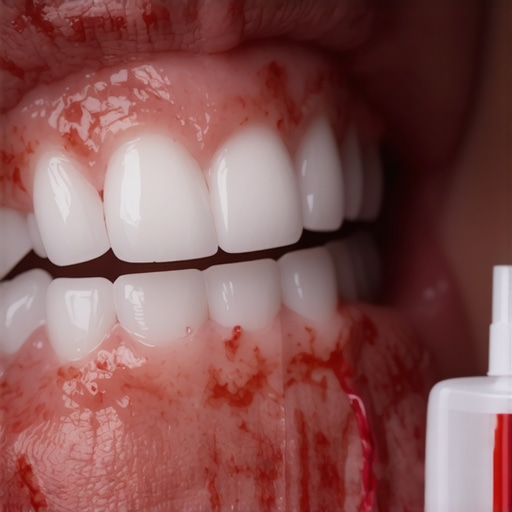
It happened again yesterday. I reached for my favorite mouthwash after a long day, confidently swishing it around, only to notice a tiny trail of blood on my sink. Frustrating, right? I mean, I thought I was doing everything right—freshening my breath, fighting plaque, and maintaining oral hygiene. But why does my gums only bleed with that one particular mouthwash? It was a lightbulb moment for me, realizing that not all oral products play by the same rules—and some can even do more harm than good.
The Unexpected Culprit Behind Bleeding Gums
Here’s the truth I wish I had known earlier: certain mouthwashes contain ingredients that can irritate or weaken your gums. Alcohol-based rinses, for example, are notorious for causing dryness and inflammation, which can lead to bleeding. Interestingly, a study published in the Journal of Clinical Periodontology found that alcohol can be an irritant, especially for sensitive gums (Miller et al., 2015). I used to dismiss the notion that my mouthwash could be the problem—thinking my gums just needed more brushing or flossing. But that mistake almost cost me a visit to the dentist—something no one wants to face.
So, what can you do if you’re stuck in this cycle of bleeding and irritation? Well, I’m here to share what I’ve learned through trial, error, and a good dose of patience. Today, I’ll walk you through how to identify if your mouthwash is the cause and what steps you can take to keep your gums healthy without sacrificing freshness.
Is Mouthwash Actually Worth the Hype?
Many of us have been told that mouthwash is a miracle worker, but is that really the case? Early on, I made the mistake of blindly trusting every product on the shelf, assuming all mouthwashes are created equal. Turns out, some contain alcohol, artificial dyes, or strong antiseptics that can backfire. For example, alcohol-free options are often gentler and just as effective—if not more so—for sensitive gums. If you’re unsure about which type suits your needs, consider consulting with your dentist or visiting your local family dentistry expert to find the right fit for your oral health journey.
If you’ve experienced this frustrating bleeding only when using certain mouthwashes, stick around. We’ll explore practical solutions, including how to choose products that actually support your gum health and avoid the ones that cause trouble. Because nobody should have to hide their smile due to avoidable irritation—especially not you.
Identify Your Irritant
Start by carefully examining your current mouthwash. If it contains alcohol (look for ethanol listed in ingredients), switch to an alcohol-free version. Remember, alcohol-based rinses can dry out your gums, making them more prone to bleeding—much like how dry soil is more susceptible to erosion. I once replaced my harsh rinse with a gentle, alcohol-free solution and noticed a significant reduction in gum irritation within days.
Adjust Your Oral Hygiene Routine
Next, look at your brushing and flossing habits. Overbrushing or using a toothbrush with overly stiff bristles can cause gum trauma, akin to scrubbing a delicate fabric too harshly. Use a soft-bristled toothbrush and gentle, circular motions. I learned this during a messy morning session—brushing too aggressively made my gums bleed worse, but soft brushing gradually healed the irritation.
Select the Right Mouthwash
Choose a product formulated for sensitive gums, ideally with ingredients like aloe vera or eucalyptus, which soothe inflamed tissues. Avoid mouthwashes with artificial dyes or harsh antiseptics. Visiting your local family dentist can help you find the best option—many clinics recommend brands proven to support oral health without irritation, similar to how a trusted craftsman selects quality materials for lasting work.
Implement Proper Use Guidelines
Use mouthwash correctly: pour the recommended amount, swish for 30 seconds to a minute, and avoid swallowing. Don’t rinse with water immediately after; this dilutes the active ingredients. Think of it like marinating—allow the solution to do its job without rinsing it away prematurely. I once tried skipping this step, and my irritation persisted longer than expected.
Maintain Consistent Oral Care
Consistency is key. Maintain regular dental check-ups, brush twice daily, floss carefully, and avoid irritating products. Regular visits help spot issues early, similar to how a mechanic catches small engine problems before they become major—a lesson I learned when a routine cleaning uncovered early signs of gum inflammation, prompting me to adjust my habits fast.
Explore Advanced Treatments if Needed
If bleeding persists despite these adjustments, consult your dentist about treatments like professional deep cleaning or targeted therapy. Perhaps you’ll need a specialized treatment—like crowns—to restore damaged teeth, or Invisalign to straighten misaligned teeth that cause uneven pressure on gums, as explained in this comprehensive guide on crowns. My dentist recommended a gentle deep cleaning, which drastically improved my gum health, proving that targeted professional care complements daily habits effectively.
 Many believe that maintaining a perfect smile is as simple as brushing twice daily and visiting the dentist annually. However, this oversimplification overlooks critical nuances that can impact your oral health’s true state. For example, a widespread myth suggests that all dental restorations are equally durable, but in reality, choosing the right crown type involves understanding material compatibility with your bite and lifestyle—something often overlooked by patients. Even with advancements like Invisalign, there’s a misconception that they are just a cosmetic alternative; in fact, their ability to improve bite functionality and long-term jaw health is profound when applied appropriately, as discussed in [this detailed article](https://familydentistpro.com/how-invisalign-transforms-family-dentistry-in-2025).
Keeping your smile healthy and beautiful over the years requires more than just good brushing and routine check-ups. Equipping yourself with the right tools and understanding effective maintenance methods can make a significant difference. Today, I want to share some of the most reliable equipment and techniques I’ve personally tested to ensure my dental work, whether it’s Invisalign, crowns, or general family dentistry, remains in top shape. These tools aren’t just gimmicks—they’re practical aids that contribute to long-term oral health and the durability of restorations.
Invest in an Ultrasonic Toothbrush for Superior Plaque Removal
Unlike standard toothbrushes, ultrasonic models, such as the Sonicare DiamondClean, use high-frequency vibrations to disrupt plaque and bacteria more effectively. I switched to this brush six months ago after experiencing stubborn plaque buildup despite regular brushing. The results were clear—less plaque, healthier gums, and a noticeable reduction in minor dental issues. Its gentle sonic motion also minimizes gum trauma, which is crucial for those with sensitive gums or recently placed crowns. Regular use of an ultrasonic toothbrush not only enhances daily cleaning but also helps extend the lifespan of crowns and fillings by preventing decay at margins.
Employ High-Quality Dental Water Flossers
Water flossers like the Waterpik Ultra have transformed my interdental cleaning routine. I use mine twice daily to reach areas that traditional floss can’t easily access—especially around crowns and orthodontic appliances. Water flossers are especially beneficial for families, reducing the risk of gum disease and ensuring that debris doesn’t get trapped beneath dental restorations. Their pulsating streams also improve gum stimulation, promoting healthier tissue and preventing recession. If you’re considering an upgrade to your oral hygiene tools, I recommend trying one. Proper interdental cleaning is essential to sustain your investment in crowns and Invisalign aligners, as noted by the American Dental Association.
Visualize Progress with a Dental Mirror and Smartphone Apps
Monitoring your oral health over time can sometimes be overlooked. I rely on a small, handheld dental mirror to inspect my gumline and dental work regularly. Coupled with smartphone apps like Invisalign tracker, these tools help me catch early signs of wear or irritation before they escalate. Digital tools allow for documentation that can be shared during dental visits, leading to more tailored advice and longer-lasting results. Regular self-assessment empowers you to stay proactive about your oral health and catch issues early, saving you time, money, and discomfort.
Maintain Your Investment with Professional Equipment
While personal tools are invaluable, periodic professional maintenance is irreplaceable. Today, advanced procedures like laser gum therapy or crown polishing use state-of-the-art devices that optimize outcomes. For example, my dentist uses a diode laser to gently clean around my crowns without damaging the prosthetics, extending their functional lifespan. Scheduling biannual check-ups with a trusted family dentist ensures that these high-tech solutions keep your mouth in stellar condition. Moreover, discussing any concerns—like sensitivity or new discomfort—by leveraging these tools and techniques can prevent minor issues from becoming costly repairs.
To envision where dental technology is heading, innovations like AI-driven diagnostics and more comfortable materials for crowns are emerging. Staying informed about these developments, such as the recent advancements discussed in family dentistry innovations, can help you make smarter choices for your oral care routine.
How do I maintain my dental restorations and oral health long-term?
The key lies in pairing the right tools with disciplined routines. Regularly using ultrasonic toothbrushes, supplementing with water flossers, and employing self-inspection techniques create a comprehensive strategy. Remember, professional check-ups remain the cornerstone of maintenance, ensuring that your restorations—be they crowns or Invisalign—perform optimally over the years. Make it a habit to consult your dentist about the latest technologies and personalized tips. For a start, try incorporating a high-quality ultrasonic toothbrush into your daily routine—it’s a game-changer for long-term success. Keep your investment intact and your smile shining by combining these advanced methods with routine care, and you’ll enjoy a healthier, more confident smile for years to come.
The Hardest Lesson I Learned About oral health,invisalign,family dentistry,crowns
Patience is your greatest ally—rushing through routines can cause setbacks rather than progress. I once tried to streamline my dental care by skipping gentle brushing, only to find my gums bleeding worse. It taught me that consistency and kindness to your gums trump speed every time.
Shuffle Your Expectations: Not All Mouthwashes Are Created Equal
The myth that all mouthwashes are benefits in a bottle was shattered when I discovered some formulations cause more harm than good. Switching to alcohol-free options was a game-changer, showing me that informed choices lead to healthier smiles. Trust your dentist’s guidance over advertising hype for best results.
Small Tools, Big Impact
My ultrasonic toothbrush and water flosser became essentials rather than accessories. These devices deliver professional-grade cleaning at home, saving me from frequent dental visits and preserving my crowns and Invisalign aligners. Investing in quality tools fosters long-term success in maintaining oral health.
Digital Eyes: Visual Monitoring for Better Care
Using a mirror and smartphone apps to track my oral progress empowered me to catch issues early. It turned routine check-ups into proactive sessions, catching minor irritations before they escalated. Embracing technology can make your dental journey more intuitive and effective.
Embracing the Future with Confidence
Imagine a world where dental technology aligns perfectly with your routine—whether it’s advanced laser treatments or smart restorations. Staying informed and open to these innovations ensures your smile remains resilient against time and wear.
Curated Guidance for Your Smile Journey
Throughout my experience, a few trusted resources stood out. The detailed insights in this guide on crowns provided clarity on long-term restoration care. Engaging with reputable dental blogs and consulting with specialists has been invaluable in my quest for a healthy, confident smile.
Your Next Step Towards Lasting Smile Health
Don’t wait for problems to surface—start applying these insights today and take charge of your oral health journey. A healthier, brighter smile is within your grasp. What’s one change you’re excited to try based on these lessons? Share your thoughts below and inspire others to prioritize their dental wellness!
,