
The truth about oil pulling and your tooth enamel
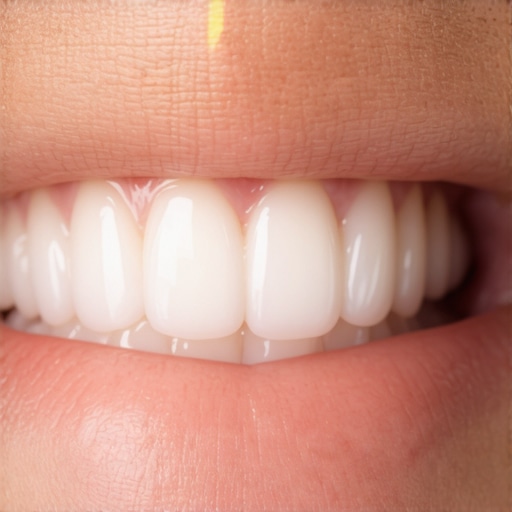
I vividly remember the day I almost sabotaged my own oral health because I believed the hype around oil pulling. It was a quiet evening, and I was desperate for a quick fix after reading testimonials about how oil pulling could magically whiten teeth and strengthen enamel overnight. Excited, I started swishing coconut oil in my mouth, convinced I’d finally cracked the secret to a brighter smile. But hours later, I noticed my teeth felt oddly sensitive, almost like I had stripped away my enamel. It was a wake-up call—a lightbulb moment that made me question just how much I really knew about this trendy practice.
Why Are We So Curious About Oil Pulling?
The allure of natural remedies like oil pulling is undeniable, especially when modern dentistry can seem intimidating or invasive. People want safe, simple ways to improve their oral health without spending a fortune or enduring uncomfortable procedures. As I dug deeper, I found that many believe oil pulling can eliminate toxins, fight cavities, and even whiten teeth—all promises that sound too good to ignore. But if you’re considering jumping on this bandwagon, it’s crucial to understand what’s real and what’s just marketing hype.
While some small studies suggest that oil pulling may reduce bacterial load in the mouth, the evidence isn’t strong enough to replace proven practices like regular brushing and flossing. The American Dental Association states that oil pulling isn’t a substitute for traditional oral health routines, which are backed by decades of research (source: ADA). My own early mistake was thinking that oil pulling could completely replace my regular dental care. Turns out, relying solely on it was a mistake that led to increased sensitivity and compromised enamel. If you’ve ever tried to replace brushing with oil pulling or wondered whether it’s worth the time, you’re not alone.
So, what’s the bottom line? Before you decide to toss your toothbrush or add oil pulling to your routine, let’s explore the truth about its effects on tooth enamel—and how you can protect your smile while still exploring natural options.
Is Oil Pulling Actually Worth the Hype?
Many fear that natural remedies might do more harm than good, especially for sensitive teeth or weak enamel. My experience taught me that misusing oil pulling can inadvertently erode enamel if done excessively or with certain oils. For instance, using oils with harsh additives or swishing for too long can strip away protective layers. To be honest, I wish I had known this earlier.
If you’re curious about how to incorporate safe, evidence-based practices into your oral health routine or want to learn more about maintaining enamel integrity, I recommend checking out some trusted tips and advice from dental professionals. For more insights on how to enhance your family’s oral health with the latest techniques, visit [Top Oral Health Tips](https://familydentistpro.com/top-oral-health-tips-for-your-familys-bright-smiles). Remember, a healthy smile is built on consistent, science-backed habits—not just trendy hacks.
Prioritize Daily Hygiene with Precision
Start your routine by brushing teeth thoroughly twice a day using fluoride toothpaste, focusing on all surfaces—front, back, and chewing surfaces. I remember trying to rush through brushing one hectic morning, barely spending 30 seconds. That mistake left me with lingering plaque and minor cavities that required professional intervention.
In addition, floss daily to remove plaque and food debris between teeth. I once skipped flossing for a week during a vacation, leading to inflamed gums and bad breath. To avoid this, set a timer for two minutes during brushing and floss meticulously—think of it as giving your teeth a mini spa treatment.
Use Proper Technique for Maximum Protection
Brush Effectively
Hold your toothbrush at a 45-degree angle to your gums and use gentle circular motions. Avoid scrubbing too hard, which can wear down enamel. I once faced sensitive teeth after using a hard-bristled brush aggressively; switching to soft bristles and gentle strokes reversed the sensitivity.
Floss with Care
Gently slide the floss between teeth, curving it around each tooth in a C-shape, and glide it under the gum line without forcing. Rushing or snapping floss can cause gum recession—something I learned the hard way during my early attempts.
Incorporate Natural and Professional Care
Complement daily hygiene with natural remedies like oil pulling cautiously; do it for no more than 15 minutes and avoid overly harsh oils that can erode enamel. When I experimented with coconut oil pulling, I noticed increased sensitivity because I swished too long and with excessive force—less is more here.
Schedule regular dental check-ups every six months. Professional cleanings remove stubborn tartar and detect issues early. During one appointment, my dentist discovered early signs of enamel erosion, prompting me to modify my oral habits—preventing more severe problems down the line.
Understand When Restorations Are Necessary
Learn to recognize signs that can signal the need for restorations like crowns or potential orthodontics. If your teeth are chipped, loose, or experiencing persistent pain, consult a family dentistry expert who can recommend tailored treatments—like crowns that protect weak teeth or aligners that improve your bite and smile.
In my case, a cracked molar was saved from extraction with a custom crown. Using trusted guidance on crowns and understanding the process helped me regain confidence. For long-lasting results, choose an experienced professional—see this article for tips on selecting the right expert.
Stay Informed About Modern Advances
Embrace innovations such as Invisalign for discreet orthodontic correction or new materials that strengthen restorations. I was skeptical at first about clear aligners but found that they are less invasive and more convenient, especially for busy family schedules. To learn more about cutting-edge family dentistry techniques, refer to this resource.
Remember, successful oral health management requires consistent effort and informed choices. Every step counts toward a healthier, more confident smile for your entire family.
Many patients believe they fully understand the advantages of treatments like crowns and Invisalign, but the truth is, there’s often more complexity beneath the surface. A common misconception is that all dental crowns are equally durable and suited for every restoration—however, the type of crown material and the way it’s applied can significantly impact longevity and compatibility with your bite, as detailed in this comprehensive guide. Moreover, many assume that Invisalign is solely for minor adjustments, but recent innovations have expanded its benefits to complex cases, which is explored in this article. An advanced mistake I often see is patients attempting DIY fixes for crowns or aligners based on online advice, not realizing how improper handling can lead to costly damages or health risks. For example, using hot water to clean aligners may seem convenient but can warp the plastic, diminishing effectiveness and comfort, as noted in this detailed post. Many underestimate the importance of personalized assessments—instead relying solely on generic online tips—leading to subpar results or even jaw alignment issues over time. Advanced practitioners understand that proper case evaluation involves assessing jaw function, bite dynamics, and individual health factors, which are often overlooked by DIY advocates. As discussed in top oral health tips, neglecting these nuanced elements can cause recurring problems like TMJ discomfort or misaligned restorations. Be wary of the allure of quick fixes; true success in family dentistry hinges on tailored treatment, ongoing maintenance, and understanding the complexities of your oral health—if you ignore these, your investments may not yield lasting results. Have you ever fallen into this trap? Let me know in the comments. For further insights, consider exploring modern dental techniques that emphasize personalized care over generic solutions.Maintaining optimal oral health takes more than just daily brushing and flossing; it requires the right tools and techniques to ensure long-lasting results.
How do I keep my dental investments working for me over time?
Personally, I swear by a few specific pieces of equipment and software that streamline my routine and enhance my understanding of my family’s dental health. One of my favorite tools is the Sonicare DiamondClean Smart electric toothbrush, which offers multiple brushing modes and real-time feedback via its mobile app. This technology helps me ensure proper pressure and technique, reducing the risk of enamel erosion and gum recession. Regularly updating my brush head and adhering to its 3-month replacement schedule keeps my cleaning effective and safe. Additionally, I rely on a high-quality interdental brush like the GUM Soft-Picks to target hard-to-reach spaces—because flossing alone isn’t enough for consistent plaque removal in crowded or misaligned teeth. For tracking and reminders, I use a dental health app like MySmileBuddy, which consolidates appointment schedules, medication reminders, and progress notes. Over time, such digital tools help me stay proactive and avoid costly decay or restorative work. Looking ahead, I believe the trend toward AI-driven oral health diagnostics will evolve further, offering personalized treatment plans with remarkable precision. Embracing these advancements means smoothly scaling efforts as your family’s needs grow. To maintain your oral health effectively, consider integrating professional-grade devices and reliable digital tracking—these investments pay off by preventing issues before they become costly. Remember, tools are only as good as how you use them. Beyond equipment, regular professional assessments remain vital. For instance, scheduling detailed examinations that utilize intraoral cameras can reveal early signs of wear or decay that are invisible to the naked eye. This approach aligns with family dentistry’s focus on preventive care. For more insights into expert recommendations, visit top oral health tips and explore how cutting-edge tools can elevate your routine. Lastly, never underestimate the value of professional guidance—consult your dentist about specific tools suited to your family’s unique oral health profile. By combining advanced equipment with expert advice, you set the stage for healthier smiles today and into the future. Ready to give your routine a tech boost? Try incorporating a smart toothbrush or tracking app this month and observe the difference it makes in maintenance.
What I Wish I Knew Before Jumping into Trends
One of the most valuable lessons I learned in family dentistry is that quick fixes often come with hidden costs. I once thought that skipping regular check-ups in favor of trendy remedies like excessive oil pulling would save time and money, but it only led to more complex issues down the line. Trust me, understanding your unique oral health needs and consulting professionals is always the wiser choice.
Another insight is that not all cosmetic solutions are created equal. For instance, while crowns can dramatically enhance your smile, choosing the right type and material requires careful consideration—a mistake I made when opting for a cheaper option that didn’t last as long. Prioritizing quality and personalized advice makes all the difference.
Lastly, embracing modern technology like Invisalign transformed my approach to orthodontics. It’s easy to dismiss these innovations as unnecessary, but they offer discreet, effective solutions for many common misalignments—saving time and reducing discomfort. Learning about these options from experts ensures you get results tailored to your lifestyle.
Tools That Transformed My Approach to Family Oral Health
My essential toolkit now includes a Sonicare DiamondClean Smart toothbrush, which provides real-time feedback to improve my brushing technique—helping maintain enamel and prevent gum recession. Alongside it, interdental brushes like GUM Soft-Picks enable me to clean hard-to-reach spaces effectively, something I once underestimated.
For tracking appointments and reminders, I rely on the MySmileBuddy app, which keeps my family’s dental schedule organized and ensures nothing slips through the cracks. These tools, combined with routine professional check-ups, form the backbone of my family’s long-term oral health strategy.
And for deeper insights, I frequent trusted resources like top oral health tips that focus on personalized care and technological advancements—helping me stay ahead of potential issues before they become costly problems.
The Power of Making Informed Choices—Your Smile Deserves It
You have the ability to transform your family’s oral health by staying curious, asking questions, and investing in the right tools and knowledge. Modern family dentistry isn’t just about fixing problems—it’s about preventing them, enhancing confidence, and creating a future where every smile shines brightly. If you’re ready to take that step, start by exploring the latest innovations and consulting dedicated professionals who prioritize personalized care. Your journey to healthier, happier smiles begins now.
Have you ever hesitated to try a new dental technique or tool? Share your experiences below—I’d love to hear how you’re making informed decisions for your family’s oral health.