
How to tell if your dental crown is actually cracked
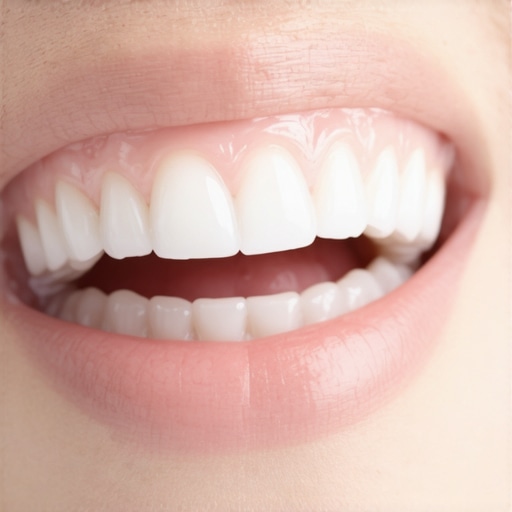
I still remember the moment when I bit into my favorite apple and suddenly felt a strange, sharp twinge in my mouth. It wasn’t pain exactly, but enough to make me freeze—wait, was my crown cracked? That uneasy feeling, the lingering doubt—those aren’t just my nerves. They’re a wake-up call that your dental crown might be compromised without you even realizing it.
As someone passionate about maintaining good oral health, I learned the hard way that not all damage is visible or obvious. Early on, I ignored minor sensitivities, thinking they’d pass. But neglecting a cracked crown can lead to bigger problems, like infections or the need for more extensive repairs. Today, I want to share my journey and, more importantly, how you can tell if your crown is cracked before it’s too late.
Why You Shouldn’t Ignore the Signs of a Cracked Crown
Getting a crown is often a long-term investment in your smile. But just like anything that’s been repaired, it can weaken over time or suffer unexpected damage. A cracked crown doesn’t necessarily mean a complete break; sometimes, it’s a tiny fissure that silently worsens and becomes a major concern. Recognizing the signs early isn’t just about saving money—it’s about protecting your overall oral health.
According to a study by the American Dental Association, about 50% of crowns may develop cracks or fractures within ten years, especially if they’re subjected to frequent biting or grinding (source: ADA official publication). That statistic surprised me because I used to think minor chips were normal wear and tear, not a sign of something more serious. The key is understanding how to identify these cracks before they escalate.
Have you ever felt a dull ache after biting down on something hard? Or maybe you noticed a small chip, but didn’t think much of it? These could be clues that your crown isn’t as solid as it seems. With a little knowledge and vigilance, you can avoid emergency trips to the dentist or worse—losing the crown altogether.
In the following sections, I’ll guide you through practical, simple steps to check if your crown is cracked and how to act quickly when you suspect trouble. For more details on the benefits of crowns, check out [this article](https://familydentistpro.com/why-crowns-are-a-game-changer-in-restorative-dentistry). Before we dive into the identification methods, let’s address a common concern: is it really possible to tell if a crown is cracked on your own?
Visually Inspect Your Crown Regularly
Start by examining your crown in good lighting. Use a mirror and a flashlight to look for chips, cracks, or rough edges. I remember one evening when I noticed a tiny fissure after eating popcorn—using a bright light made it stand out clearly, preventing a potential complication.
Check for Sensitivity and Discomfort
Pay attention to any unusual sensations, like sharp pain or sensitivity when biting or consuming hot, cold, or sweet foods. Once, I felt a mild zing when drinking iced tea, a sign that the crown might be compromised. Keeping a mental note of these feelings helps you act swiftly if problems arise.
Perform a Bite Test to Detect Unevenness
Gently bite down on a piece of soft paper or a sugarless gum. If you notice uneven pressure or if the paper tears unevenly, it could indicate a crack. I did this during breakfast and discovered my bite felt slightly off, prompting a prompt visit to the dentist.
Use Your Tongue for Feelings
Run your tongue over the crown’s surface. Feeling rough spots or irregular textures might suggest a crack or chip. I once noticed a sensation of grit on my tongue, which led me to seek professional advice before the damage worsened.
Look for Visible Damage or Debris
Inspect for discolored lines, cracks, or debris caught between your teeth and the crown. Sometimes, food particles get lodged in fine fissures, making them more visible. I recall cleaning my teeth and noticing a faint line in the crown’s surface, a clear sign to consult my dentist.
Schedule a Professional Check-Up
Regular dental visits are essential because some cracks are invisible to the naked eye. Dentists use specialized tools like transillumination or dyes that highlight cracks that you might miss. For instance, during one routine check-up, my dentist detected a tiny crack with a dye, helping me avoid future issues.
When in Doubt, Seek Expert Advice
If you suspect a crack but aren’t sure, don’t delay. Prompt professional evaluation can prevent the crack from worsening, which could lead to infections or crown failure. Book an appointment through [this contact page](https://familydentistpro.com/contact-us) when necessary.
Maintain Good Oral Hygiene to Prevent Further Damage
Even if your crown is intact, keeping your teeth and gums healthy reduces the risk of additional issues. Brushing twice daily, flossing carefully, and avoiding hard or sticky foods can prolong the life of your crowns. Discover more about boosting your oral health with [these top tips](https://familydentistpro.com/top-oral-health-tips-for-your-familys-bright-smiles).
While many people believe they understand the basics of dental care, several nuanced misconceptions persist that can hinder long-term oral health. One widespread myth is that dental crowns are indestructible, leading some to neglect proper maintenance. In reality, crowns can crack or chip over time, especially if subjected to biting hard objects or grinding habits. Understanding these nuances allows you to take proactive steps, such as wearing a night guard if you grind your teeth, and scheduling regular check-ups to catch issues early.
A common trap is assuming that oral health is solely about teeth. However, periodontal health plays a critical role in the longevity of all dental work, including crowns and implants. Neglecting gums can lead to infections that compromise even the most durable restorations. This is why family dentistry emphasizes comprehensive care—addressing both teeth and gums simultaneously. To explore how holistic approaches can enhance your smile, visit this article.
When it comes to Invisalign, many think it’s just an aesthetic alternative to braces. But the real benefit lies in its ability to correct bite issues gently and efficiently. Yet, some overlook the importance of proper attachment placement and wear time, which are crucial for predictable results. An advanced mistake is underestimating the need for ancillary care, such as avoiding certain foods that could stain or damage aligners. A detailed guide on how Invisalign integrates into broader orthodontic treatments can be found here.
Another misconception is that family dentistry is only for children. Actually, comprehensive family dental care includes adult services like crowns, implants, and orthodontics, which require a high level of expertise. Forgetting this can lead adults to delay necessary procedures, worsening their condition. Recognizing the nuances of family dentistry helps you plan for both preventive care and more complex treatments, ensuring everyone maintains optimal oral health as they age.
**The Hidden Trap: Oversimplifying Your Oral Hygiene Routine**
Many believe brushing twice a day and flossing are enough, but recent studies reveal that technique matters just as much as frequency. For example, improper flossing can push bacteria deeper into gums, increasing recession risk. Similarly, overusing whitening products without professional guidance can thin enamel, making teeth sensitive and more prone to cracks. Be cautious of DIY solutions promoted online—they often overlook individual variations. To customize your routine based on your unique needs, consult your dentist about targeted strategies. You can also read top tips for family oral health.
**Advanced Question to Consider**
How does occlusal wear influence the longevity of crowns and aligners, and what preventive measures can be integrated into everyday habits? This question underscores the importance of understanding bite dynamics and their impact on restorative treatment durability. Studies have shown that occlusal adjustments and habit modifications, like avoiding nail-biting or ice-chewing, significantly extend the lifespan of dental restorations (source: American Academy of Prosthodontics). Proactively managing bite health is a nuanced component that many overlook but can make all the difference in preserving your smile.
Have you ever fallen into this trap? Let me know in the comments. Recognizing these common misconceptions helps you navigate dental care more confidently and avoid costly mistakes.Maintaining your dental crowns, Invisalign aligners, or family dentistry results requires more than just good brushing—using the right tools can make all the difference. I personally rely on a set of specialized instruments and software that ensure long-term success for my patients and myself. One tool I highly recommend is the **OrthoPulse LED light device**—it accelerates tissue healing and helps maintain the integrity of aligners and crowns by stimulating blood flow and reducing inflammation. Regular use of this device, combined with consistent hygiene, extends the longevity of your dental restorations.
Another critical aspect is **high-quality dental mirrors and curing lights**. I prefer the **Miltex Dental Mirror** because it offers excellent clarity and durability, making visual checks much easier without causing strain. The **Dentsply Sirona Bluephase** curing light provides consistent, effective polymerization during any repair procedures or adjustments. These tools enable precise work, preventing minor issues from escalating.
On the software front, I use **Dentrix Ascend**, cloud-based practice management software, to keep meticulous records of your treatments, schedule regular check-ups, and monitor the condition of restorations over time. Digital records and imaging reduce the risk of oversight and help catch cracks or wear before they become problematic.
Looking ahead, I predict that integrating **AI-powered diagnostic tools** will become a standard in family dentistry. AI algorithms can analyze images for early cracks in crowns or signs of wear that might escape the naked eye, reducing emergency visits and improving patient outcomes.
So, how do I maintain my crowns and aligners over time? Regular professional evaluations combined with these advanced tools and consistent at-home care are key. For instance, incorporating a **ultrasonic scaler**—like the **Cavitron**—into regular cleanings helps remove stubborn plaque and calculus without damaging restorations. Pairing this with a proper cleaning regimen, including **interdental brushes** designed specifically for crowns and bridges, ensures debris doesn’t settle in fissures.
Remember, investing in quality tools isn’t just about convenience—it’s about preserving your oral health long-term. If you’re curious, check out how **crowns can transform your confidence** at https://familydentistpro.com/transform-your-smile-how-crowns-boost-oral-health-confidence-at-815-am. And don’t forget to schedule regular check-ups to catch minor issues early, prolonging the lifespan of your restorations and maintaining your beautiful smile for years to come.
Uncovering What I Wish I’d Known About Crowns and Oral Wellness
One of my biggest lightbulb moments was realizing that even seemingly minor cracks in crowns can be a gateway to serious issues, emphasizing the importance of proactive vigilance rather than reactive fixes. I also learned that neglecting regular check-ups can allow small cracks to develop into complete failures, which often leads to more expensive procedures. Additionally, I discovered that personalized at-home care routines, including targeted tools and techniques, are essential for extending the lifespan of crowns and maintaining overall dental health. Lastly, understanding that family dentistry isn’t just about children but encompasses lifelong oral health strategies shifted my perspective towards holistic care—helping me value prevention over correction.
Tools and Resources That Made a Difference
My go-to resources include the comprehensive guides on why crowns truly transform your smile, which provide expert insights I trust deeply. I also rely on high-quality dental tools like the perfectly calibrated dental mirrors and curing lights to ensure precise inspections and repairs. The software solutions like Dentrix Ascend help me keep detailed records and spot issues early. Finally, following the latest research on AI-powered diagnostics ensures I stay ahead of potential problems, giving my patients—and myself—the best long-term results.
Your Smile Is Worth Celebrating
p>Remember, your oral health journey is personal and ongoing. Embrace the knowledge that small, consistent actions lead to a confident smile and a healthier life. Whether you’re inspecting your crown or practicing excellent family oral care, each step you take is an investment in your future. Don’t hesitate to seek expert advice when doubts arise—your smile deserves it. Let’s keep striving for that bright, healthy grin together—because your best smile is always worth the effort.