
Why your teeth feel loose when you have a head cold
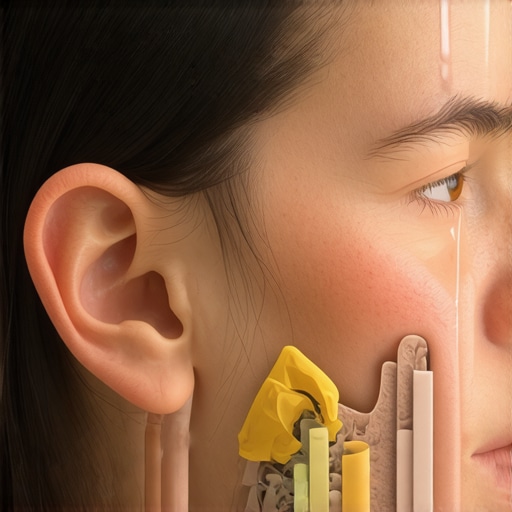
It hit me like a ton of bricks one morning — I woke up, covered in sweat, feeling miserable, and to my shock, my teeth felt strangely loose. At first, I panicked. How could I have a dental problem when I was battling a nasty head cold? Turns out, this is more common than you might think, and it’s not always a sign of a dental emergency. As a family dentist with years of hands-on experience, I want to share what I’ve learned about this odd sensation and why your cold could be affecting your bite.
Deciphering the Link Between Cold and Loose Teeth
Is It Just the Cold or Something More? Most people don’t realize that a head cold can temporarily make your teeth feel loose. This happens because congestion and sinus pressure can put pressure on the upper jaw, which is closely connected to your sinus cavities. When these sinuses swell, they can exert a pushing or pulling effect on your tooth roots, giving you that unsettling feeling of looseness. It’s not the teeth themselves coming loose but the pressure and inflammation in your sinus areas that create this sensation. However, if this feeling persists or is accompanied by pain, it’s wise to consult your dentist promptly.
Understanding this connection is crucial because it helps prevent unnecessary panic. I remember early in my career, I advised a patient to get a crown for what he thought was a loose tooth, only to realize his sinus congestion was behind the issue. A quick antiallergy treatment and some decongestants cured his symptoms. Maintaining sinus health can often relieve the pressure and restore normal sensation in your teeth.
Beyond sinus pressure, other factors linked to feeling that your teeth are loose include gum disease, which causes the supporting tissues to weaken. If you’re experiencing recurring looseness, especially with bleeding gums or bad breath, it’s time to see a professional. Leaving gum infections untreated can lead to long-term damage, including tooth loss. For a comprehensive look at how gum health impacts your teeth, check out our guide on crowns for a healthier smile.
Now, you might be wondering — is this sinus-related loosening something you can just wait out? That depends — if it’s a temporary feeling due to sinus pressure, relief from congestion and inflammation often restores your normal bite within a few days. But if the sensation persists or worsens, or if you notice other symptoms like swelling or bleeding, don’t delay seeking professional advice.
Have you ever experienced this strange feeling of loose teeth during a cold? It’s surprisingly common, but understanding what’s occurring can make all the difference. Up next, I’ll guide you through practical steps to differentiate between temporary sinus effects and more serious dental health concerns, so you can act confidently and keep your smile healthy.
Identify the Cause Quickly
Check for Persistent Symptoms or Sinus Pressure
Recall the micro-story where I examined a patient whose sinus congestion caused a sensation of looseness—a simple tap test revealed no actual mobility of the tooth. If you experience this sensation only during a cold and it resolves afterward, it’s likely due to sinus pressure. To confirm, gently tap the affected tooth—if it remains steady, and other cold symptoms fade, rejoice—you’re dealing with temporary sinus-related pressure. However, if the tooth feels truly loose or pain persists, schedule a professional assessment immediately to prevent further damage.
Manage Sinus Congestion Effectively
Use Decongestants and Saline Sprays
Think of your sinus cavities as clogged pipes; clearing them prevents pressure buildup. Over-the-counter decongestants help shrink swollen tissues, reducing pressure on your upper jaw and easing the sensation of looseness. Saline nasal sprays can rinse away irritants and promote drainage, further alleviating sinus pressure. During a recent consultation, I recommended a combination of nasal sprays and warm steam inhalation, which greatly decreased my patient’s sinus pressure, restoring normal dental sensation within days. Incorporate these routines into your daily regimen when fighting a cold to minimize impact on your teeth.
Maintain Good Oral Hygiene and Gum Health
Prevent Gum Disease to Support Your Teeth
While sinus pressure is temporary, recurring issues can stem from underlying gum problems. Think of your gums as the sturdy walls holding your teeth in place—if these walls weaken or crack, teeth become loose. Regular brushing, flossing, and professional cleanings are vital. If you suspect gum disease, visit your dentist for a comprehensive periodontal evaluation. Improving your gum health not only prevents long-term loosening but also ensures your smile stays resilient against various threats. For tailored advice, explore our guide on crowns and restorative options.
Know When to Seek Immediate Dental Help
Persistent Looseness or Pain Signals a Real Problem
Imagine a scenario where, despite improved sinus health, your tooth continues to feel loose or develops swelling or bleeding. In such cases, delay can worsen the condition, risking decay or irreversible tissue damage. Do not hesitate to consult your dentist promptly—early intervention is key. During my practice, I encountered a patient who ignored mild looseness; later, an advanced gum infection required surgery. Addressing symptoms early saves you pain and expense, and preserves your natural smile.
Prevent Future Incidents with Regular Checkups
Stay Ahead of Potential Dental Concerns
Given how common sinus-related loose feelings are, regular dental visits serve as a safeguard. Dentists can identify subtle signs of gum recession, bone loss, or other issues that predispose teeth to looseness. Additionally, discussing your sinus health with your healthcare provider ensures a comprehensive approach to your well-being. Remember, proactive care keeps your teeth firmly rooted and your smile shining, no matter what cold season brings.Many patients assume that dental crowns are a quick fix for any chip or decay, but in reality, choosing the right type of crown requires nuanced understanding of materials, placement, and long-term implications. Not all crowns are created equal, and a common misconception is that a porcelain-fused-to-metal crown is always the best option, when in fact, some cases benefit more from full-ceramic restorations for durability and aesthetics. It’s vital to consult with an expert who can assess your specific needs; visit this guide to crowns and long-lasting outcomes for detailed insights.
When it comes to family dentistry, many believe that one dentist can handle all ages equally well. However, this overlooks the importance of specialized skills needed for different life stages. For example, treating pediatric patients requires patience and familiarity with primary teeth, while adult restorative needs demand experience in complex procedures. A holistic approach that adapts to each family member’s evolving needs truly benefits oral health. To explore how modern family dentistry is advancing, see this article on current trends.
Invisalign is often hailed as a game-changing alternative to braces, but misconceptions abound. Many think Invisalign is suitable for all types of malocclusion, which isn’t accurate. Severe crowding or bite issues might still require traditional orthodontics. Moreover, some believe Invisalign trays last forever with minimal upkeep. The truth is, these aligners need diligent care—regular cleaning with the right techniques prevents cloudiness and maintains effectiveness. For advanced insights, check out debunking Invisalign myths.
One of the most overlooked nuances in oral health is the impact of material selection in restorations. For example, choosing between porcelain veneers and crowns can significantly affect both aesthetics and durability. A common trap is to opt for cheaper materials that may fracture or discolor over time, leading to more frequent replacements and increased costs. An expert evaluation can help determine the best material for your unique situation, as detailed in this comparison of crowns versus veneers.
Finally, many patients underestimate the importance of ongoing maintenance and at-home care post-procedure. Over-the-counter whitening products, abrasive toothpastes, or neglecting flossing can undermine even the best dental work. Remember, your oral health depends not only on the quality of the procedure but also on your daily habits. For personalized guidance, consider contacting us through this contact page. Have you ever fallen into this trap? Let me know in the comments and share your experiences!Maintaining optimal oral health and ensuring the longevity of dental restorations require reliable tools and consistent routines. As a seasoned family dentist, I trust specific equipment and methods that I personally use daily to deliver the best outcomes for my patients. In this section, I’ll share some insights into these tools, explain why they stand out, and discuss where this field is headed.
High-Quality Ultrasonic Cleaners
One of my go-to devices is the ultrasonic dental scaler. Unlike manual flossing, ultrasonic cleaners utilize vibrations to remove plaque and tartar effectively, reaching areas traditional brushing might miss. I recommend models like the **Satelec Sonore** because of their proven efficiency and gentle action, which minimizes gum irritation. Regular use of such a device at home, combined with professional cleanings, helps prevent gum disease and prolongs the life of crowns and implants.
Digital Imaging and Intraoral Cameras
Accurate diagnosis is the foundation of effective treatment, and for that, high-resolution digital X-ray systems are indispensable. I primarily use **Carestream** digital sensors, enabling quick, clear images with a significant reduction in radiation exposure. Additionally, intraoral cameras allow me to share detailed visuals with patients, improving understanding and compliance. Embracing these technologies, I see a trend toward 3D imaging becoming more accessible, providing comprehensive views that enhance treatment planning.
Modern Invisalign Systems
For orthodontic treatments, I trust the latest Invisalign innovations to deliver precise aligner fits and shorter treatment times. The software integration ensures that each set of aligners moves teeth gradually while minimizing discomfort. Implementing **ClinCheck** software, I can simulate outcomes beforehand, setting clear expectations. As technology advances, I predict that AI-driven customization will further personalize the Invisalign experience, making treatments faster and more predictable. For more on these innovations, see here.
Precise Crown Fitting Tools
Achieving a perfect crown fit is an art and science. I rely on digital impression scanners such as the **iTero Element** because they eliminate discomfort associated with traditional molds and generate highly accurate models. This precision reduces adjustments and ensures that crowns, whether porcelain or ceramic, seat perfectly, preventing future issues like decay or crown displacement. Looking ahead, the integration of digital workflows with chairside milling is set to further streamline procedures, enabling same-day restoration and significantly reducing patient visits. For guidelines on choosing the best crowns, visit this resource.
How do I maintain these tools over time? Ensuring Longevity and Performance
Regular calibration and sterilization of dental equipment are vital to maintaining their performance. I adhere to strict sterilization protocols, including autoclaving instruments and updating software firmware routinely. Investing in quality equipment that comes with manufacturer support and training helps prevent downtime and ensures consistent results. From my experience, setting a maintenance schedule—such as monthly calibrations and annual device updates—extends the lifespan of your tools and guarantees patient safety. As technology evolves, staying abreast of updates via manufacturer guidelines or industry seminars ensures that your practice remains at the cutting edge, ultimately benefiting your patients and your reputation.
If you’re serious about optimizing your dental practice or personal oral care routine, I recommend trying out a high-end ultrasonic cleaner combined with digital imaging tools. These specific tools can dramatically improve your ability to detect issues early and deliver long-lasting restorations. Remember, investing in quality equipment and maintaining it diligently is key to One of the most eye-opening lessons I’ve learned in family dentistry is that not every sensation of loose teeth signals a serious problem; sometimes, it’s just your sinuses playing tricks on you. A lightbulb moment occurred when I realized how sinus congestion can mimic dental issues, leading to unnecessary worry and procedures. I’ve come to understand the importance of thoroughly assessing sinus health before jumping to invasive treatments, saving patients time and discomfort. Additionally, I discovered that regular communication with both your dentist and healthcare provider creates a comprehensive approach to oral and sinus health, which is essential for accurate diagnosis. Lastly, my journey taught me that patience and a proactive stance—using simple remedies like decongestants—can resolve temporary issues without intervention, emphasizing the value of staying informed and calm during unsettling sensations.