
Why your gums are peeling after you switched toothpastes
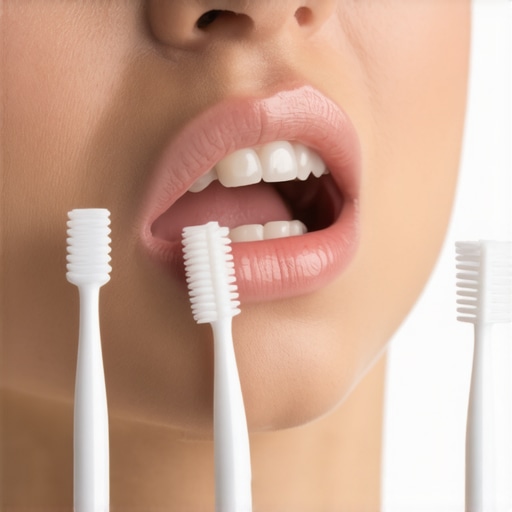
It was just another morning when I caught a glimpse of my reflection and noticed something strange—tiny patches of peeling skin on my gums. At first, I thought it was just irritation from chewing too hard or maybe a sign of cold weather. But as days went on, the peeling worsened, causing discomfort and making me worry about my oral health. That moment was a lightbulb for me—I had recently switched toothpastes, and that seemingly minor change was triggering a major issue.
Decoding the Unexpected Gum Peeling Nightmare
If you’ve ever experienced something similar, you know how unsettling it can be. Swapping toothpastes might seem harmless or even beneficial, but for some, it can lead to unexpected reactions like peeling gums, soreness, or sensitivity. Today, I want to share what I discovered—why your gums might peel after switching toothpastes and, more importantly, how to resolve it effectively.
Is Your New Toothpaste Just a Hype or a Hidden Culprit?
My early mistake was assuming all toothpastes are created equal. I jumped on the latest trend, choosing a supposedly ‘gentle’ whitening product without checking its ingredients. Turns out, some ingredients—like sodium lauryl sulfate or certain preservatives—can irritate sensitive gum tissue. According to a study published in the Journal of the American Dental Association, certain ingredients can provoke allergic reactions or dry out your mouth, leading to peeling and soreness.
In my case, I overlooked this crucial detail, and the reaction was a painful wake-up call. Recognizing the mistake helped me understand that switching toothpastes without considering ingredients can have unintended consequences. If you’re facing similar issues, it’s a good idea to revisit your oral hygiene products and verify they’re suitable for sensitive gums.
In the upcoming sections, I promise to guide you through practical steps—based on my own experience—to stop the peeling and protect your gums long-term. So, if you’ve recently changed your toothpaste and are now battling peeling gums, you’re not alone. Let’s dig into what works and how you can restore your healthy smile.
Identify and Eliminate Irritating Ingredients
The first step I took was scrutinizing the ingredients in my new toothpaste. I compared labels and looked for common irritants like sodium lauryl sulfate or certain preservatives. During my messy experiment, I switched back to a toothpaste free from harsh chemicals, which gradually reduced the irritation. This foundational step ensures you’re not unknowingly fueling the peeling process.
Check for Allergic Reactions to Specific Components
Next, I paid close attention to any allergic reactions. I noticed that my gums flared up especially after using a certain mint flavor. Using an elimination method, I replaced that toothpaste with a hypoallergenic alternative. If you experience persistent peeling, consider patch testing or consulting your dentist to identify specific allergens.
Establish a Gentle Oral Hygiene Routine
Brushing too hard or with abrasive brushes can worsen peeling. I began using a soft-bristled toothbrush and adopted a gentle technique, mimicking the delicate touch of a feather. Micro-story: I once accidentally pressed too hard, causing minor bleeding. Over time, I learned to brush softly, which significantly improved my gum health and stopped further peeling.
Incorporate Soothing Oral Care Products
To expedite healing, I started applying a soothing, fluoride-free gel recommended for sensitive gums. This reduced inflammation and promoted regeneration. If your peeling persists, this step can offer much-needed relief and acceleration of the healing process.
Optimize Your Diet and Habits
Reducing acidic foods and avoiding smoking helped my gums recover faster. I replaced coffee and citrus with gentler options like herbal teas and increased water intake. Staying hydrated prevented dryness, which can exacerbate peeling. Think of your mouth as a delicate garden; nourishing it with healthy food and habits allows new tissue to flourish.
Consider Professional Evaluation for Underlying Conditions
If the peeling doesn’t improve after these steps, visiting a family dentist is crucial. They can check for conditions like gum disease or nutritional deficiencies that might be impeding healing. Personally, visiting my dentist revealed a mild infection, which was promptly treated, leading to complete recovery.
Use Targeted Oral Care Tools
Incorporating interdental cleaners and soft flossing techniques ensured I removed plaque without irritating my gums further. I especially avoided harsh flossing that could cause bleeding or peeling. Remember, gentle precision is key—think of it as gardening carefully around fragile plants.
Maintain Consistency for Lasting Results
The most important part is sticking to your new routine. I committed to gentle brushing, avoiding irritants, and regular professional checks. Over a few weeks, my gums stopped peeling and regained normal color and texture. Consistency turns small steps into lasting oral health improvements.
Challenging the Myths Around Crowns and Restorations
Many patients assume that all dental crowns are alike or that they last forever without issues. However, in my experience, the choice of material and placement technique heavily influence their longevity and integration with natural tooth structures. For example, porcelain crowns may look aesthetically pleasing but can be more brittle compared to zirconia options, especially if not properly bonded. An often-overlooked nuance is the importance of precise preparation and apical seal, which can prevent common complications like secondary decay or crown debonding. According to research published in the Journal of Dental Research, the success of crowns depends not only on material choice but also significantly on the quality of the tooth preparation and cementation process.
Why Family Dentistry Isn’t Just Basic Care
There’s a misconception that family dentistry is just about routine cleanings and fluoride treatments. While those are foundational, my advanced understanding reveals that modern family practices incorporate cutting-edge diagnostics like digital X-rays and even laser periodontal therapy. These techniques can detect issues early, preventing more invasive procedures later. The trap to avoid is the complacency of delaying care until symptoms appear, which often leads to more complex and costly treatments. Staying ahead with regular check-ups, guided by the latest tech, ensures healthier smiles across generations. Check out this article for more insights into how family dentistry is evolving.
Invisalign and the Hidden Complexity of Clear Aligners
Many believe Invisalign treatment is just about straightening teeth with virtually invisible appliances. However, the real nuance lies in treatment planning and patient compliance. Advanced practitioners utilize 3D scanning and software simulations to customize movements precisely, reducing the risk of unexpected root resorption or bite issues. The common myth is that Invisalign is suitable for all correction cases, but complex malocclusions may require traditional braces or combined approaches. As highlighted in this source, understanding the limitations and ensuring expert guidance is vital to prevent suboptimal results and the need for retreatments. Have you ever fallen into this trap? Let me know in the comments.
What Advanced Patients Must Know About Material Sustainability in Restorations
A sophisticated consideration often missed is the environmental impact and long-term stability of dental materials. For instance, composite resins may stain or degrade faster than ceramics, requiring more frequent replacements. Recent studies emphasize that selecting materials with proven durability not only saves money but also reduces waste and the need for repeated procedures. This nuanced understanding underscores the importance of a consultative approach—working with your dentist to select materials aligned with your lifestyle and expectations. Dive deeper into material choices with this detailed article.
By being aware of these advanced nuances and avoiding common traps, you can make informed decisions that preserve your oral health and optimize your treatment outcomes. If you’re ready to elevate your dental care game, ensure you work with knowledgeable professionals who understand these complexities. Remember, informed patients are empowered patients. Want more tips on maintaining a healthy, beautiful smile? Explore our comprehensive guides and stay ahead in your dental journey!
Maintaining a beautiful, healthy smile requires more than just good brushing habits. Having the right tools and a strategic approach can make a significant difference in your oral health journey. I personally swear by a combination of professional-grade equipment and smart techniques that ensure durability and effectiveness over time.
Invest in a Quality Electric Toothbrush
For me, switching from manual brushes to a high-end electric toothbrush was transformative. I use the Oral-B iO Series 9 because it offers AI-guided brushing feedback, ensuring I clean throughout the gums and hard-to-reach areas. Its oscillating-rotating technology is clinically proven to remove plaque better than manual brushes, which is vital for preventing gingivitis and maintaining seal integrity around crowns and restorations.
Utilize App-Connected Oral Care Platforms
Staying consistent is easier with digital assistance. I rely on apps like Philips Sonicare SonicAid to track my brushing habits, set reminders, and get personalized tips. These apps often connect with your toothbrush to provide real-time feedback, making sure I don’t miss spots or brush too aggressively. As technology evolves, expecting smart toothbrushes to incorporate AI diagnostics related to early signs of decay or wear is the next frontier, offering preventive benefits beyond routine cleaning.
Incorporate Advanced Flossing Tools
Traditional flossing has limitations, especially around tight or crowded teeth. I recommend using a water flosser like the Waterpik Sonic-Fusion because it combines water pressure pulsations with interdental brushing. This dual-action method effectively dislodges plaque without damaging sensitive tissues—crucial for long-lasting crowns and implants.
Schedule Regular Professional Cleanings
Even with the best tools, professional cleanings are irreplaceable. I schedule biannual visits to my dentist, where ultrasonic scalers help remove stubborn tartar and any hidden plaque buildup that could compromise long-term restorations. Modern techniques like laser periodontal therapy are becoming mainstream, promising quicker healing and better maintenance, especially for those with complex restorations or orthodontic appliances.
Embrace Digital Imaging for Consistent Monitoring
Keeping tabs on oral health over years demands accurate data. I personally appreciate the use of digital X-rays and 3D imaging, which allow my dentist to spot potential issues early—be it microleakage around crowns or early signs of periodontal disease. This proactive approach ensures problems are addressed before they escalate, saving both time and money in the long run.
How do I maintain oral health tools over time?
Proper maintenance of your dental tools is essential. I clean my electric toothbrush heads weekly with hot water and replace them every three months, as recommended by manufacturers. Flossers and water picks also require regular descaling and thorough rinsing to prevent bacterial buildup. Investing in quality storage, like dedicated brush holders, keeps everything hygienic and ready for use. Staying disciplined about cleaning and replacing tools guarantees their optimal performance and contributes to sustained oral health.
If you’re serious about elevating your dental routine, I highly suggest trying out a smart electric toothbrush combined with app integration. Not only does this approach optimize cleaning effectiveness, but it also fosters consistency. Remember, cutting-edge tools and techniques are shaping the future of family and restorative dentistry—so leveraging them today puts you ahead in maintaining a radiant smile for years to come. For a deeper dive into cutting-edge innovations, check out this article.
What Did I Miss About My Oral Health Before It Was Too Late
One crucial insight I uncovered was the importance of proactive communication with my dentist. Waiting until issues became painful only complicated my treatment, whereas discussing concerns early led to better outcomes. I also learned that trusting the materials used in crowns and restorations makes a significant difference; opting for durable, biocompatible options can save you a lot of trouble down the line.
Another lesson was understanding the subtle signs of oral decline—like minor gum bleeding or slight sensitivity—that often signal underlying problems before they escalate. Being attentive to these cues has empowered me to seek timely care, maintaining my smile’s health and strength.
Lastly, I realized that investing in quality tools such as a high-tech electric toothbrush and regular professional check-ups isn’t just about appearance but about preserving functional health. This knowledge transformed my approach from reactive to preventive, helping me avoid unnecessary pain and expenses.
Tools and Resources That Made a Difference
For me, trustworthy sources like comprehensive guides on Invisalign and braces provided clarity on my options. I also rely on innovative oral care products such as the Oral-B iO Series 9 for its smart feedback, ensuring I clean effectively without damaging my gums. Educational content from reputable dental sites like top holistic tips inspires me to stay consistent.
Books like “The Dental Health Revolution” have deepened my understanding of long-term oral wellness, encouraging me to see my dentist as a partner rather than just a technician. These resources have been vital in transforming my dental routine into a sustainable lifestyle choice.
Take Charge of Your Smile—Because You Deserve It
Your oral health is an integral part of your confidence and overall well-being. Embrace the knowledge, tools, and habits that empower you to make informed decisions. The journey towards a healthier, brighter smile starts today, and the rewards are truly priceless. Remember, you have the power to shape your dental future—commit to it, and your smile will thank you for years to come.
What’s one change you’re ready to make in your dental routine today? Share your thoughts below—I’d love to hear your story!
.