
How to properly seat your Invisalign when you have attachments
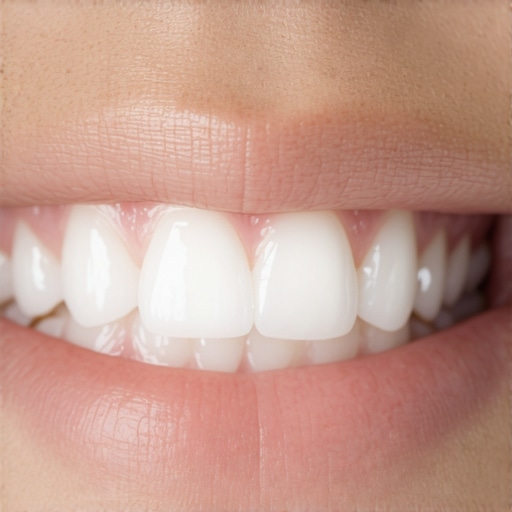
One morning, I caught myself grimacing in the mirror, struggling to snap my Invisalign trays into place. The attachments, tiny yet stubborn, seemed to resist every attempt I made. It was a moment of frustration that made me realize just how tricky this process can be—especially when you’re just figuring it out. If you’ve ever felt that pang of doubt about whether your aligners are seated correctly, you’re not alone. Getting it right isn’t just about comfort; it affects your entire treatment trajectory. Today, I want to share what I’ve learned over my own journey to help you navigate these awkward first steps with confidence. Together, we’ll uncover the secrets to confident seating, even with those pesky attachments, so you can maximize your Invisalign results seamlessly and comfortably.
Why Proper Seating of Invisalign Attachments Matters More Than You Think
When I first started my Invisalign journey, I thought simply snapping the trays in was enough. But I quickly learned that improper seating can lead to subpar results or even extend treatment time. Attachments are like tiny anchors that help move teeth precisely, and if they’re not sitting flush, the force isn’t correctly applied. It’s a bit like trying to hang a picture crookedly—you’ll quickly notice unevenness or discomfort. Even a small misalignment can make wearing the aligners uncomfortable, create hotspots, and diminish the effectiveness of your treatment plan. Moreover, as surprisingly noted by dental experts, improper seating might increase the chances of attachments falling off prematurely, which can set your progress back significantly. That’s why mastering this skill early on is crucial. If you’re asking yourself, “Am I seating my Invisalign correctly?” rest assured, I’ve made my share of mistakes, including not pressing firmly enough, which led to loose attachments. But with practice and awareness, I found a way to do it confidently. Ready to unlock the secrets to impeccable seating? Let’s dive into the practical steps that can make all the difference in your Invisalign journey.
Get a Firm Grip: The Correct Technique
When I first started seating my Invisalign attachments, I realized that simply pressing with my fingers wasn’t enough—imagine trying to press a stubborn button on a tight shirt sleeve; you need the right leverage. I placed my thumb on one side of the attachment and my index finger on the opposite side. Applying firm, steady pressure, I gently but deliberately pressed down over the attachment, making sure to use the pad of my finger rather than just the tips, for better contact. I maintained pressure for about 3-5 seconds, ensuring the attachment pressed fully into the tooth surface. My initial attempts were awkward—there was a lot of wiggling and reseating. But by focusing on a controlled, firm push, I eventually achieved a snug fit, reducing the chances of detachment and improving comfort.
Timing Is Key: When to Press and Hold
It’s tempting to just give a quick tap and hope for the best, but patience yields better results. After positioning the aligner, locate each attachment visually; sometimes, you can see if it’s sitting crooked. Use your finger to press down on each attachment for at least 3 seconds, ensuring full contact. During my journey, I found that pressing and holding for 5 seconds made a noticeable difference. This method ensures the adhesive bonds more securely, similar to how a well-pressed stamp sticks better on an envelope. This simple step can prevent attachments from popping off prematurely, saving you time and trips to your orthodontist.
Use the Right Tools for Better Seating
While fingers work for most, I discovered that using a soft plastic tool or a gentle wooden stick, similar to a tongue depressor, can help press stubborn attachments without damaging the enamel. I once struggled to seat a molar attachment on a particularly sticky tooth. Instead of pressing with my fingers alone, I gently used a small, flat-edged plastic instrument to apply even pressure. This prevented slip-ups and avoided applying excessive force that might harm your gums or soft tissues. Using tools designed for dental use can make the process more precise and less stressful, especially for stubborn attachments.
Avoid Common Mistakes: Don’t Skip These Tips
One common mistake is not cleaning the tooth surface before seating, which can hinder adhesion. Before positioning the aligner, I always rinse my teeth and gently brush around attachments to remove any plaque or debris—think of it like prepping a surface for painting; clean surfaces stick better. Additionally, avoid pressing with fingernails or unclean hands—it can transfer bacteria or damage the attachment. Another tip is not to over-press or press unevenly. I learned that applying random or uneven pressure can dislodge the attachment or cause discomfort. Instead, press consistently and symmetrically, much like tightening a bolt correctly.
Check Your Work and Confirm Seating
After seating, I would gently run my tongue over each attachment to see if it felt smooth and flush. If I felt a bump or unevenness, I re-pressed that attachment. Occasionally, I used a small mirror and a flashlight to verify that each attachment sat properly. If you find any loose or crooked attachments, don’t hesitate to re-seat them—it’s vital to stay proactive for optimal results. This meticulous approach saved me from additional trips to the dentist for repairs and kept my treatment timeline on track.
For more insights on how advancements in family dentistry are simplifying such processes, you might explore the benefits of invisalign innovations in family dentistry. Implementing these precise steps ensures your attachments stay secure, and your treatment progresses smoothly, bringing you closer to that perfect smile without unnecessary setbacks.
While many believe they understand the essentials of oral health, several misconceptions persist, especially regarding crowns, family dentistry, and Invisalign. One widespread myth suggests that maintaining perfect oral hygiene solely depends on brushing and flossing, but expert insights reveal that professional cleanings and early interventions play a crucial role in long-term oral health. Another common misunderstanding involves crowns, where some think any restoration will do after minor damage. In reality, selecting the right type of crown and understanding its nuances can prevent future issues, as detailed in restorative dentistry advancements.
What Advanced Factors Are Overlooked in Everyday Oral Care?
One often overlooked aspect is the role of material science in restorations. For example, the durability of crowns isn’t just about porcelain quality but also about how well they bond with the tooth structure and resist staining over time. Many patients underestimate the importance of choosing a skilled, experienced dentist for crown placement, which can significantly influence the longevity and aesthetics of the restoration. Additionally, in family dentistry, there’s a misconception that children’s teeth require less attention; however, early intervention can prevent lifelong issues, especially with emerging adult teeth that may develop misalignments or cavities if neglected. Regarding Invisalign, a significant nuance is understanding how attachment placement and seating techniques influence treatment efficiency, which many patients overlook until problems occur. Sometimes, mis-seated attachments can extend your treatment timelines unnecessarily, as I discussed earlier in my journey. For the advanced reader, considering the latest research on biofilm formation and its impact on restorations and orthodontics can be eye-opening. A recent study shows that microbial buildup around crowns and aligners can lead to secondary issues if not properly managed, emphasizing the importance of dedicated home care routines alongside professional treatments. So, what might seem like small details—such as material choice, attachment seating, or early intervention—carry significant weight in ensuring the success of your dental health. Don’t fall for the trap of oversimplifying these aspects; instead, arm yourself with knowledge and work with professionals who understand these subtle but vital nuances. Have you ever fallen into this trap? Let me know in the comments.
Investing in Quality Tools for Longevity
Maintaining your oral health and dental appliances requires the right equipment. I personally swear by a high-quality LED dental mirror, like the MirorDent, because it offers superior illumination and magnification, making it easier to spot areas needing attention and ensuring attachments sit correctly. Additionally, a dual-ended plastic instrument, such as the Dentalpick Plus, allows precise pressure on stubborn attachments without risking enamel damage. These tools have become my allies in avoiding trips to the dentist for re-seating or repairs, saving time and discomfort.
Harnessing Advanced Software for Tracking Progress
When it comes to Invisalign, I rely on the Invisalign Progress App, which syncs with my treatment plan and provides real-time updates. This digital tool helps me stay aware of attachment placements and treatment milestones, reducing the chance of mishaps. Software like this is not only convenient but also empowers you to be proactive in your care, catching issues early, such as unforeseen attachment loosening, before they escalate.
Routine Maintenance: What I Do Daily
Daily, I use an ultrasonic jewelry cleaner—specifically, the UltrasoniClean 2000—to disinfect my aligners, ensuring they remain free from microbial buildup that can cause odor or staining, as discussed in recent research on biofilm formation around aligners. Regular cleaning with ultrasonic technology ensures long-term clarity and hygiene, contributing to better oral health outcomes.
Predictions for Future Trends
As technology advances, expect to see more integration of AI-powered monitoring devices that can alert you to attachment wear or malalignment via smartphone notifications. These innovations will make at-home maintenance increasingly intuitive and precise, matching the level of professional oversight, much like what is envisioned in upcoming Invisalign innovations.
How do I keep my dental appliances and treatments working long-term?
To maximize your investment and health benefits, regularly inspect your attachments, aligners, or crowns for signs of wear or looseness. Using tools like a dual-ended plastic instrument allows you to re-seat attachments carefully if you notice any slack, following the step-by-step techniques I use. Incorporate daily cleaning routines with ultrasonic devices to prevent microbial buildup—this small effort significantly prolongs the lifespan of your dental work. Remember, a proactive approach combined with quality tools is the key to maintaining that perfect smile for years to come. For comprehensive guidance on crowns, consider exploring the ultimate guide to crowns. Don’t hesitate to try out these advanced tips; you might be surprised at how much they boost your results and confidence.
What I Wish I Knew Before I Started Lounging with Attachments
One of the biggest realizations I had was that seating Invisalign attachments correctly was crucial for not just comfort but also for the longevity of my treatment. I learned that even tiny misalignments could extend my journey and cause unnecessary discomfort, proving that attention to detail is everything. Trust me, investing a little extra effort upfront saved me so many setbacks later.
Why Proper Attachment Seating Will Save Your Treatment Time
Initially, I underestimated the power of precise attachment seating. I discovered that well-seated attachments ensure the correct forces are applied, accelerating teeth movement and reducing shifts caused by loose or crooked attachments. This understanding made me approach each step with more patience and focus, turning a chore into a confidence-builder.
The Power of the Right Tools and Techniques
Using simple tools like a plastic applicator and practicing firm, steady pressure made all the difference. Applying pressure for at least 3-5 seconds with a steady hand allowed my attachments to seat securely without damage, a tip I can’t recommend enough. Remember, gentle but deliberate is the key to success.
Consistency and Inspection Matter More Than You Think
Each time I seated my aligner, I took a moment to look in the mirror and run my tongue over the attachments. Making this a routine helped me catch minor issues early, preventing problems from escalating. A proactive approach like this can keep your treatment on track and avoid costly visits to your dentist.
Lessons from Beyond Invisalign: Insights into Crowns and Restorations
While perfecting Invisalign seating, I also gained a deeper appreciation for crowns and other restorations. Little details, like material choice and bonding techniques, profoundly impact durability. For comprehensive insights, check out how crowns can transform your smile. Small, precise steps are vital across all aspects of family dentistry to ensure long-lasting results.
Embracing the Future with Knowledge and Care
Understanding the nuances of oral appliances and restorations is empowering. Investing in quality tools and staying proactive with regular inspections make a significant difference. Remember, every detail counts in achieving that perfect smile. Ready to take control of your dental health? Your journey toward a confident, healthy smile starts now.
Your Turn to Shine
Have you ever struggled with seating your Invisalign attachments or ensuring your crowns stay flawless? Share your experience in the comments below—your story might just help someone else succeed on their dental journey!