
The best way to store your retainer when eating out
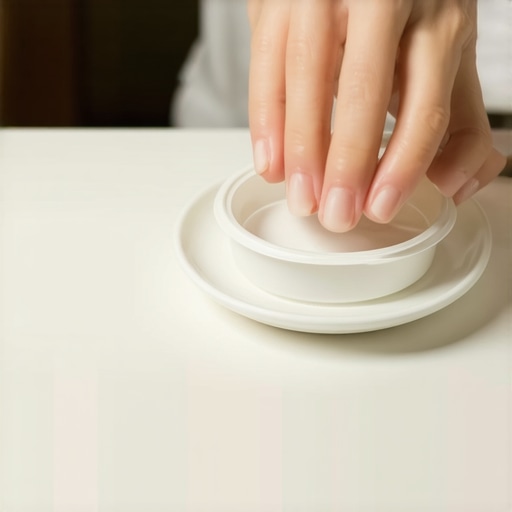
Ever had a moment where you took off your retainer before that delicious bite and then nervously realized you couldn’t remember where you placed it? I remember the panic. Just last month, I was at a friend’s dinner, enjoying a hearty meal, when I reached for my retainer to clean my teeth afterward. It was nowhere to be found. That sinking feeling hit me—what if I lost it? Turns out, I wasn’t alone in this struggle. Many people with retainers face the daily dilemma of how to store their appliance when eating out or on the go.
Why Proper Retainer Storage Matters More Than You Think
Having worn braces myself, I know that a retainer isn’t just a convenient accessory; it’s a vital part of maintaining my smile’s alignment. But the truth is, improper storage can lead to costly replacements or even damage to your retainer, which can compromise your orthodontic treatment. According to the American Association of Orthodontists, failure to properly care for and store your retainer can result in tracking back to misalignment and needing new orthodontic work. That’s a risk no one wants—especially after all the effort and money invested in your dental health.
If you’re like me, you’ve probably made the mistake of tossing your retainer into a napkin, accidentally throwing it in the trash, or just holding onto it without a dedicated case. My early mistake was thinking that a crumpled tissue was a suitable storage spot—big mistake! It wasn’t until I lost it during a vacation dinner that I realized how crucial it is to have a dedicated, secure place for my retainer.
In this post, we’re going to explore the best way to store your retainer when eating out—simple steps, expert tips, and real-life hacks that will save you from future stress and dental mishaps. Ready to keep your smile and your retainer safe? Let’s dive in!
Is a retainer case really worth the hype?
Many skeptics ask, “Do I really need a special case?” I used to think a napkin or a quick pocket storage was enough. But the truth is, a dedicated retainer case isn’t just a luxury—it’s a necessity. Early on, I underestimated how easily a retainer can get dirty, damaged, or lost. Research shows that keeping your retainer in a clean, protective case minimizes exposure to dirt and bacteria, prolongs its lifespan, and keeps it within easy reach when you need it.
If you’ve ever been tempted to stash your retainer in a coat pocket or on a napkin, consider this: A study published in the Journal of Dental Research found that bacteria can thrive on real-world surfaces, including accidental contact with hands and clothes, increasing the risk of oral infections. A simple, sturdy case provides a barrier against dirt, bacteria, and accidents, ensuring your retainer stays in top shape.
So, if you’re tired of losing or damaging your retainer, investing in a good-quality case is one of the smartest moves you can make. It’s a small step with a big impact in preserving your smile and your orthodontic investment.
Ready for the practical tips? Let’s look at how to choose the perfect retainer case and the best ways to keep your retainer safe during meals and outings.
Choose a Durable and Secure Case
Start by selecting a sturdy, vented retainer case made of BPA-free material. I learned this the hard way when I tossed mine into a flimsy plastic container that cracked after a week. Once I switched to a durable case with proper ventilation, my retainer stayed cleaner and in better condition, reducing the risk of bacterial buildup.
Opt for cases with ventilation slots
Ventilation helps prevent moisture, which is a breeding ground for bacteria. A simple mistake was leaving my retainer in a closed container after cleaning, which led to a musty smell. Learning to air dry it in a breathable case solved this issue.
Establish a Routine for Cleaning and Storage
Make it a habit to rinse your retainer with lukewarm water immediately after removing it. Then, gently brush it with a soft toothbrush and mild soap or retainer cleaning tablets. I found that doing this daily kept my retainer spotless and odor-free, especially during trips where I couldn’t access my regular cleaning supplies.
Avoid harsh chemicals and hot water
Hot water can warp plastic, and harsh chemicals can degrade materials. I mistakenly used boiling water once, which distorted my retainer—lesson learned. Stick to recommended cleaning methods to prolong its lifespan.
Store in a Hygienic Environment
Place your cleaned retainer in the designated case instead of socks, pockets, or napkins. I once kept mine in a coat pocket, only to forget it and find it flattened during laundry—disaster. Consistent use of a specific case minimizes loss and damage.
Keep the case separate from other objects
This prevents cross-contamination from other items, especially if you carry keys or coins inside the same bag. I started labeling my retainer case to ensure I always put my retainer back in the right place, which saved me from last-minute searches.
Plan for When You’re Eating Out or On the Go
Always carry your case with you. During a recent dinner, I discreetly stored my retainer in my case after removing it—preventing it from getting lost or dirty. Having the case within reach avoids impulsive storage methods like tissue or pocket stashing, which can lead to damage or loss.
Use a travel-size cleaning kit
Keep a small toothbrush and cleaning tablets in your bag. After meals, I rinsed my retainer with water and brushed it lightly before placing it back in the case. This routine helps maintain oral hygiene and retainer integrity during busy days.
Protect Your Investment and Your Smile
Remember, Retainers are an investment similar to crowns or Invisalign aligners—protecting them ensures your health and savings. Applying these simple, actionable steps kept my retainer in excellent condition, ensuring its effectiveness and avoiding unnecessary replacements. Check out this article on crowns for more insights on dental investments or explore how Invisalign can complement your oral health routine.
Many assume that family dentistry is a straightforward field focused solely on cavity fillings and cleanings. However, as an expert, I can tell you that misconceptions run deep, often leading patients astray. One common myth is that all dental crowns are the same, but in reality, choosing the right type depends on the bite force, aesthetic needs, and the material’s durability. Not understanding these nuances can result in short-lived restorations or unnecessary replacements. Similarly, many believe Invisalign aligners are just a cosmetic option, but they offer precise, personalized orthodontic treatment that can address complex bite issues if properly planned. Ignoring the advanced advantages of Invisalign, such as custom attachments and gradual tooth movement, is a missed opportunity for effective treatment.
Moreover, there’s a prevalent misunderstanding that oral health is solely about preventing cavities. In fact, gum disease, often invisible in early stages, is linked to systemic health problems like heart disease and diabetes. According to a study published in the Journal of Clinical Periodontology, inflammation from periodontal disease can contribute to the progression of these chronic illnesses. Many don’t realize that neglecting gum health can undermine overall well-being, making regular periodontal check-ups vital.
A sneaky trap many fall into involves overusing whitening products, thinking they safeguard against discoloration. In reality, excessive whitening can weaken enamel and cause sensitivity, especially if combined with aggressive toothbrush habits. This underscores the importance of personalized dental advice, particularly when it comes to cosmetic procedures, which should be tailored to individual enamel health.
Do you ever wonder why some crowns last decades while others chip or loosen prematurely? The secret often lies in the selection of the right materials and the expertise of the dentist. For example, porcelain-fused-to-metal crowns are excellent for durability, but they may not match adjacent teeth in translucency, impacting aesthetics. On the other hand, zirconia crowns blend strength with appearance but require precise cementation techniques. Understanding these hidden details ensures your dental investments stand the test of time.
Did you know that some common misconceptions about oral health can lead to significant mistakes? For instance, brushing immediately after acidic foods can erode enamel—something many overlook. Waiting a bit or rinsing with water helps neutralize acids and protects your teeth long-term. Being aware of such nuances elevates your dental care from routine to expert level.
Another trap to avoid involves DIY dental repairs or over-the-counter solutions. While tempting, these can cause unintended damage or infections. Consulting with your family dentist ensures treatments are safe and effective. If you’re interested in how modern techniques like Invisalign are revolutionizing orthodontics, check out [this article](https://familydentistpro.com/how-invisalign-transforms-family-dentistry-in-2025).
Remember, achieving optimal oral health isn’t just about avoiding cavities; it’s a complex interplay of techniques, materials, and understanding your unique needs. Take the time to learn these nuances and consult with professionals who stay updated on the latest research. Want to explore how crowns can enhance your smile or how to make Invisalign work for your lifestyle? Visit our [contact page](https://familydentistpro.com/contact-us-2) for personalized advice. Have you ever fallen into this trap? Let me know in the comments.Maintaining your dental appliances, like crowns and Invisalign trays, is crucial for long-lasting results. I personally rely on a combination of high-quality ultrasonic cleaners and specialized software to monitor my progress and ensure each device remains effective. The ultrasonic cleaner, for instance, uses sound waves to remove plaque and bacteria deep within the appliance’s crevices, something manual cleaning can’t achieve alone. I prefer models like the SonicClean 3000 because of its adjustable frequency and gentle cleaning cycle, which preserves fragile materials like porcelain and plastic.
When it comes to digital tracking and progress assessment, I use a specialized mobile app that syncs with my dental provider’s platform. This app allows me to monitor the wear time of Invisalign trays, track when to replace aligners, and receive reminders for cleaning sessions. In my experience, this integration streamlines my oral health routine and minimizes the risk of device failure.
Looking ahead, I believe this convergence of ultrasonic cleaning technology and smart monitoring will become standard practice in family dentistry. Future tools might even incorporate AI to analyze wear patterns and predict when a restorative crown might need reinforcement, saving patients time and costs.
### How do I maintain my dental tools and appliances over time?
To keep your dental devices functioning optimally, commit to daily cleaning with an ultrasonic cleaner and utilize digital tracking apps for maintenance alerts. Regular professional check-ups are also essential to catch issues early. By adopting these methods, you enhance the longevity of crowns, retainers, and Invisalign trays alike. For an example of how crowns can surprisingly extend their lifespan with proper care, check out [this guide](https://familydentistpro.com/the-ultimate-guide-to-crowns-for-a-healthier-smile). Trying out an ultrasonic cleaner today is a smart step toward better oral health management and can make a noticeable difference in your long-term results.
Over the years, I’ve learned that the key to a healthy, lasting smile isn’t just in getting braces or Invisalign—it’s in how diligently you care for your retainers. My biggest lightbulb moment came when I realized that proper storage extends beyond convenience; it’s about protecting your investment in dental health. Small habits—like using a sturdy, ventilated case and establishing a routine—can prevent costly mishaps and keep your retainer functioning perfectly for years. If you’ve ever worried about losing or damaging your retainer, embracing these insider tips will transform your approach and save you stress. Remember, your retainer is an extension of your smile; treat it with the same care as your natural teeth, and it will reward you with confidence that lasts a lifetime. So, start implementing these expert-approved strategies today, and watch how they simplify your dental journey. Your future self—and your smile—will thank you.