
The trick to getting your aligners to fit better on your front teeth
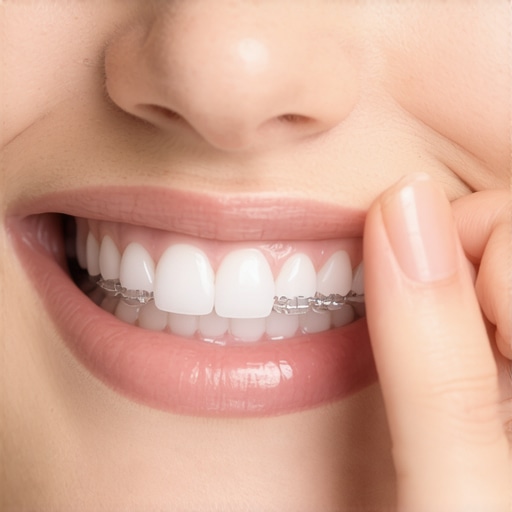
Have you ever looked in the mirror, only to realize that your Invisalign aligner isn’t sitting quite right on your front teeth? I remember the frustration vividly—those moments when I felt like my perfect smile was just out of reach because my aligners kept feeling uncomfortable or, worse, loose. It was a lightbulb moment for me when I discovered that a simple trick could make all the difference in how my aligners fit and worked.
Why Proper Fit Matters More Than You Think
When I first started my Invisalign journey, I assumed that as long as I wore the trays for the recommended hours, everything would line up perfectly. But I quickly learned that an ill-fitting aligner not only hampered my progress but also caused soreness and discomfort. A snug, secure fit ensures that the aligner applies the right amount of pressure exactly where it’s needed, speeding up your treatment and making the process more comfortable. Interestingly, research shows that a poor fit can lead to longer treatment times and even compromise the final results (source). So, if you’ve faced similar frustrations, don’t worry—there are solutions that will help you get that perfect fit every time.
Is Fitting Invisalign Alignment a Miracle or Myth?
Early on, I made the mistake of neglecting the importance of properly seating my aligners. I thought that just popping them in was enough, but I didn’t realize that small adjustments could make a huge difference in comfort and effectiveness. Trust me, I learned the hard way that a slightly misaligned tray can slow down your progress and cause unnecessary soreness. Now, I want to share some practical tips that helped me and could do the same for you. Let’s explore how to ensure your aligners fit like a glove and maximize their effectiveness.
Are you tired of dealing with discomfort or worry that your aligners aren’t doing their job? Keep reading—I’ll guide you through the essential tricks to getting that perfect, snug fit. Whether you’re just starting or have been wearing Invisalign for a while, these insights can change your experience and help you achieve that confident smile you’ve been dreaming of.
Clean Your Teeth Thoroughly Before Seating the Aligners
Start by brushing and flossing your teeth meticulously. Think of it as preparing a canvas before painting; a clean surface ensures that no debris prevents your aligner from seating properly. That messy breakfast or snack can cause tiny food particles to get trapped, leading to discomfort and suboptimal fit. During my first week, I made the mistake of not flossing well, which caused my aligners to feel loose. After adopting a strict oral hygiene routine, the difference was immediate—my trays fit snugly, feeling like a second skin.
Inspect Your Aligners for Any Defects or Debris
Check for warping, chips, or dirt
Before placement, examine your aligners under good lighting. Damaged or dirty trays won’t seat correctly and can cause uneven pressure, delaying your treatment. I once noticed a tiny crack in my aligner that I hadn’t seen before. Replacing it through my provider ensured a perfect fit and avoided irritation or ineffective movement. Regularly inspecting trays helps catch issues early, keeping your therapy on track.
Seal the Aligners Correctly
Place the aligner gently over your teeth, starting from the front, and then press downward along the sides. Ensure that it is fully seated on all areas. Use your fingers to gently snap it into place, just like closing a lid on a tightly sealed jar. When I initially pressed my aligners into place, I often missed spots because I was in a rush. Now, I take my time to press around the entire perimeter, feeling for slight resistance—this guarantees a snug fit. A correct seal ensures that pressure is distributed evenly, which is key for predictable movement and comfort.
Confirm the Fit and Make Minor Adjustments
After seating, run your tongue over the aligners to feel for any gaps or rough edges. If you notice a loose fit, apply gentle pressure along the edges with your fingers until it seats properly. In one instance, I felt a small area that was loose; pressing gently realigned the tray perfectly. However, avoid forcing or using excessive pressure, as it may damage the aligner. A proper fit looks flush against your teeth without any noticeable gaps, and it should feel secure when you tap or bite down softly.
Use Your Cheek and Tongue as Influencers
Gently push the aligners into place with your tongue or cheeks if necessary. This mirrors how a mirror helps in aligning your outfit; your muscles can aid in seating the trays correctly. During my review sessions, I softly pressed on the outer edges with my tongue, which helped secure the aligner, especially on the molars. This small action can make a big difference in ensuring complete seating and preventing air pockets that compromise the treatment.
Perform Bite Checks for Confirmation
Close your mouth gently and bite down softly to check if your teeth are fitting evenly within the tray. If you feel uneven pressure or a gap, reposition the aligner accordingly. I once experienced discomfort because my molars weren’t fully seated. After re-adjusting with this bite check, my aligner felt perfectly snug, and the soreness subsided within minutes. Making this a part of your routine helps maintain consistent pressure and advances your progress effectively.
Commit to Regular Self-Checks and Maintenance
Throughout the day, periodically test the fit and cleanliness. Think of it as tuning a musical instrument—you want it to stay in perfect harmony. Clean, seat, and verify the fit daily to prevent issues like buildup or misalignment. Incorporating these steps turned my Invisalign routine into an effective and comfortable process, ensuring I stayed on schedule toward my confident smile.
Remember, a proper fit is the foundation for successful treatment. If persistent fit issues occur, consult your provider for professional guidance or consider options like crowns, which can also effectively restore and protect your teeth (learn more about crowns). Ensuring your aligners fit perfectly not only speeds up your journey but makes every step more comfortable and confident.
Many people assume that oral health is straightforward—brushing twice daily and regular check-ups are enough. However, even those committed to their dental routines often fall prey to nuanced misunderstandings that can hinder their results or cause unnecessary complications. Let’s dig deeper into some of these hidden pitfalls.
A prevalent myth is that all dental crowns are the same, and choosing a cheaper option won’t impact long-term health. In reality, the quality and material of a crown determine not just aesthetics but also its durability and how well it protects your underlying tooth (learn why crowns matter). Opting for a low-cost, subpar crown may lead to frequent replacements and even deterioration of adjacent teeth.
Similarly, many believe Invisalign aligners are a miracle cure that work independently of proper wear and maintenance. What most overlook is that neglecting diligent hygiene—like flossing thoroughly before seating trays—can cause trapped food and plaque buildup, ultimately impairing treatment progress (discover the truth about Invisalign). The misconception here is that Invisalign can compensate for poor oral hygiene.
A common mistake in family dentistry is assuming that cavities are inevitable with age or that children outgrow their dental issues. This overlooks the importance of early prevention and consistent care. Regular professional cleanings and timely interventions prevent small issues from escalating, which is a cornerstone of modern family dentistry (see how trends are changing).
Now, let’s address a question often posed by advanced readers:
How can understanding biofilm dynamics improve the longevity of dental restorations like crowns and implants?
Recognizing that biofilms—complex bacterial communities—form rapidly on dental surfaces underscores the importance of meticulous oral hygiene beyond superficial cleaning. Studies suggest that controlling biofilm accumulation is crucial in preventing peri-implantitis and crown failure (biofilm management strategies). This nuanced understanding emphasizes that dental health isn’t just about reactive treatments but proactive biofilm control.
Most importantly, don’t fall into the trap of believing that dental treatments are one-time fixes. Maintaining your oral health is an ongoing process involving awareness of what often goes unnoticed. Regular professional guidance and informed choices are your best assets for a healthy, confident smile. Have you ever fallen into this trap? Let me know in the comments, and share your experiences so others can benefit from your insights.
Keep It Working: Tools and Techniques for Long-Term Dental Success
Maintaining your smile requires more than just routine brushing and flossing. Having the right tools and knowing how to use them effectively can make a significant difference over time. From advanced cleaning devices to digital monitoring, I’ve found certain equipment and methods to be game-changers in my journey toward optimal oral health.
Why I Switched to an Electric Toothbrush
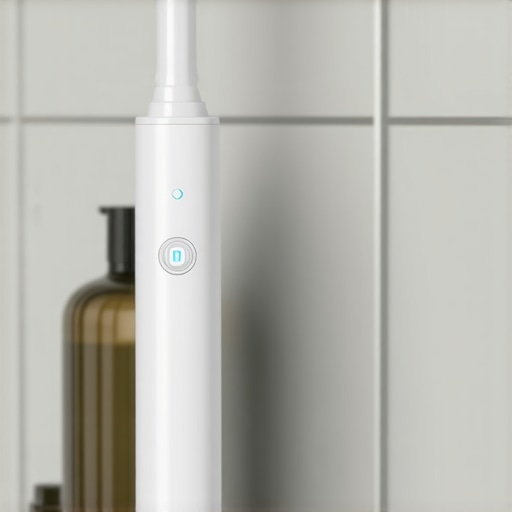
After trying various manual brushes, I settled on a high-quality electric toothbrush with a timer feature. This ensures I brush for the recommended two minutes, covering all quadrants evenly. The oscillating-rotating action of models like the Oral-B Genius has been shown to remove plaque more effectively than manual brushing (source). Plus, the pressure sensors prevent me from brushing too hard, protecting my gums from recession.
Using Flossing Aids for Better Reach
Manual flossing can be tedious and inconsistent. I now rely on interdental brushes, specifically those with thin, flexible tips designed for tight spaces. They’re incredibly effective at removing debris between teeth and along the gumline. Additionally, water flossers like the Waterpik have transformed my daily routine, especially since studies support their efficacy in reducing plaque and gingivitis (source). I incorporate both tools based on the area I need to clean.
Navigating Digital Monitoring
In recent years, dental monitoring apps such as Dental Monitoring have become invaluable. They allow you to track your oral health over time through photos and reminders, providing insights and early warnings for issues like decay or gum disease. I uploaded weekly scans to my dentist, which helped catch a minor cavity early—saving me from more extensive treatments like crowns (see how crowns can be a long-term solution).
Future Trends in Dental Maintenance
Looking ahead, I predict a rise in AI-powered oral health diagnostics and personalized care devices. These innovations will provide real-time feedback on brushing technique, plaque levels, and even saliva analysis, making home care more precise and effective. Embracing these technologies now can set the stage for a healthier, more confident smile in the years to come.
If you’re ready to upgrade your routine, I suggest trying an electric toothbrush with pressure sensors and pairing it with interdental brushes. These tools alone can significantly improve your long-term results. Remember, consistent maintenance is key—so stay proactive and informed. Want to explore more about innovative family dentistry tools? Contact your local dental professional today and take the first step toward a brighter, healthier smile.
What No One Tells You About Perfecting Your Invisalign Fit
One of the most surprising lessons I learned was that even the slightest misfit can slow down progress and cause discomfort. The moments when I thought I had seated my aligners correctly only to find gaps taught me to trust my instincts and double-check. That attention to detail made all the difference, turning my Invisalign experience from frustrating to empowering.
My Top Hacks for Long-Lasting, Comfortable Aligners
By consistently maintaining excellent oral hygiene—brushing, flossing, and inspecting my trays—I avoided common issues like debris buildup or warped aligners. I especially swear by gentle finger presses and bite checks after seating my aligners. Incorporating these small habits saved me time, discomfort, and helped me stay on track to a gorgeous smile.
Embracing Continuous Learning in Dental Care
Initially, I believed that dentistry was just about visiting the dentist and trusting their advice. But actively researching and understanding the nuances—like the importance of snug fits and biofilm control—made me a more proactive participant in my dental health. This mindset shifted my perspective from reactive to preventive, leading to better results and greater confidence.
My Must-Have Tools That Keep Me Smiling Bright
I rely heavily on an electric toothbrush with pressure sensors, interdental brushes, and digital monitoring apps. These tools not only improve my daily routine but also provide insights that I couldn’t get otherwise. Trusting these resources has kept my oral health on point and reduced my visits for unnecessary treatments.
Act Now and Take Charge of Your Smile
Your journey with Invisalign or family dentistry is personal, but the right habits and tools make all the difference. Embrace each step with curiosity and care, knowing that consistent effort today leads to a lifetime of confident smiles tomorrow. Remember, your smile is worth it—start making small changes today for a healthier, happier you.
What has been your most effective trick for ensuring your aligners fit snugly? Share your experience below and let’s learn together!